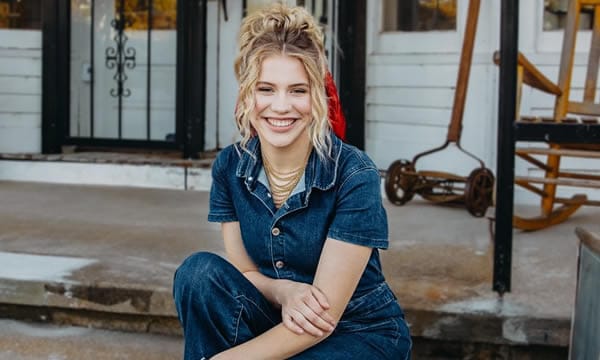
The moment Hannah Harper stepped onto the American Idol stage, something shifted. She wasn’t there to impress with theatrics or chase a viral moment. She stood as a mother of three boys, carrying a story that countless women live every day but rarely feel allowed to voice.
When she explained that her original song was written during the depths of postpartum depression, the room grew quieter. This wasn’t a polished pop anthem or a dramatic showcase. It was a confession, offered gently, without armor.
As Hannah began to sing, the honesty landed immediately. Her lyrics spoke of exhaustion, fading identity, and the strange ache of loving your children fiercely while feeling yourself quietly unravel. There was no exaggeration, no attempt to soften the truth.
Mothers watching at home felt it instantly. Social media flooded with raw reactions from kitchens, living rooms, and late-night scrolls. Women wrote that they were crying mid-dishes, holding their phones with shaking hands, finally hearing their own feelings reflected back to them.
Many said the song articulated emotions they had never been able to name. The guilt. The love. The loneliness. The pressure to be grateful while feeling overwhelmed. Hannah didn’t frame motherhood as a tragedy — she framed it as complex, and that made all the difference.
Judges were visibly moved, but the real response unfolded beyond the studio. Millions of women shared the clip with friends, sisters, and partners, using the song as a way to say, “This is what I couldn’t explain.”
Some fans went a step further, sending the performance directly to Dolly Parton. They heard echoes of Dolly’s signature gift — turning ordinary lives into powerful stories without judgment or spectacle. Not imitation, but kinship.
What made the moment resonate wasn’t perfection. It was recognition. Hannah wasn’t asking for sympathy. She was offering truth, and that truth created connection on a massive scale.
The performance became more than an audition. It became a shared release — permission for mothers to admit that love and struggle can exist side by side, and that neither cancels the other out.
In the end, Hannah Harper didn’t just sing a song. She opened a door. And millions of women walked through it, feeling seen, understood, and a little less alone.