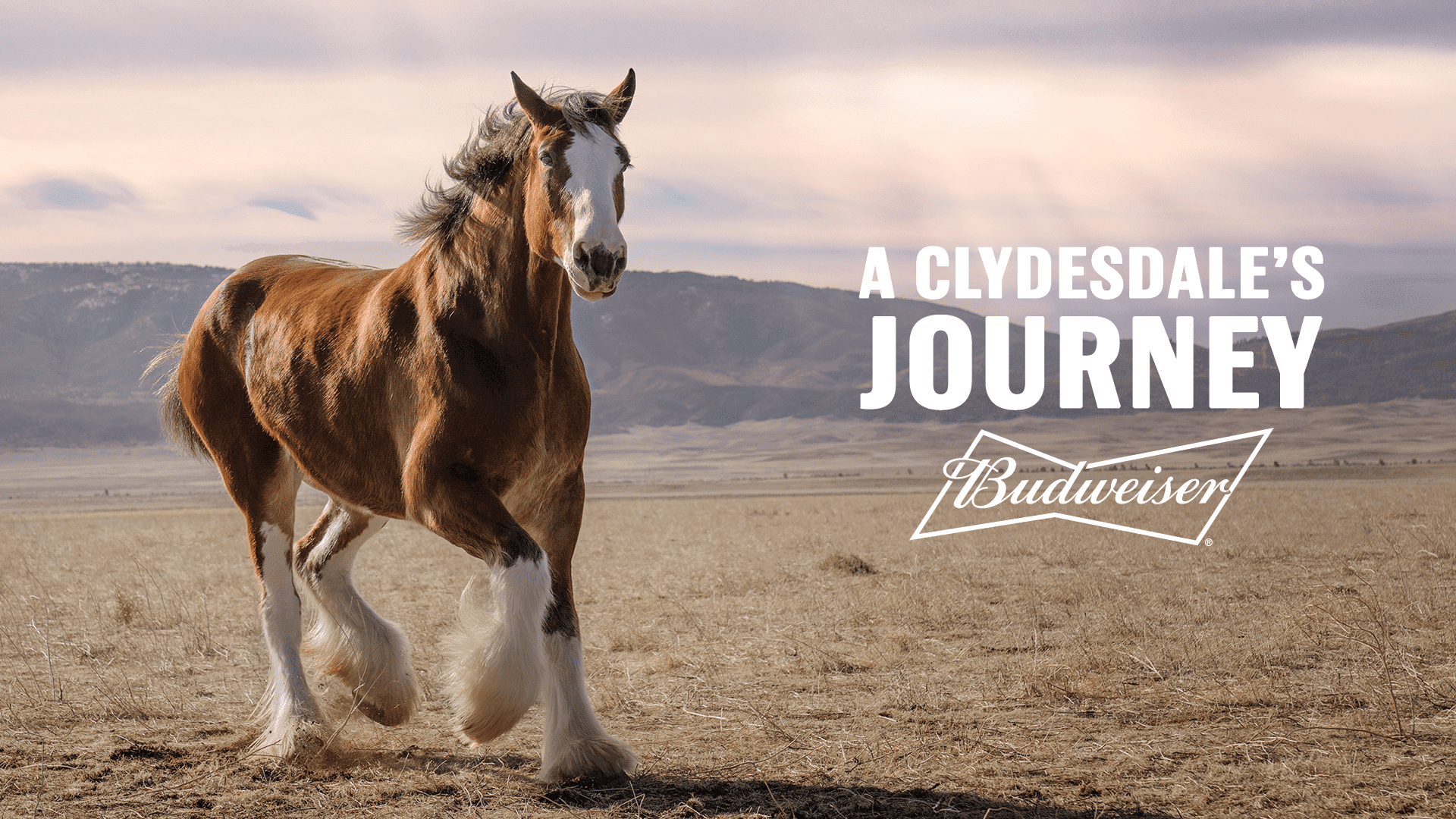
No one told the eagle to climb, and yet millions of people felt the meaning instantly. It began with a fragile, unsteady bird and a massive, motionless Clydesdale sharing the same quiet frame. The contrast alone was enough to stop the broadcast cold.
There was no dramatic buildup and no cue to prepare the audience. The moment arrived without warning, relying entirely on what was happening onscreen rather than what was being said. In that stillness, attention sharpened.
The eagle looked small and uncertain, testing its balance, while the horse stood calm and immovable. One represented vulnerability, the other strength, yet neither dominated the scene. They simply existed together.
No music swelled to signal inspiration. No voice stepped in to explain the symbolism. The silence was intentional, leaving space for instinct to take over instead of instruction.
The eagle didn’t wait for permission or encouragement. It climbed because it was driven by nature, not guidance. Its movement felt inevitable, not heroic — and that made it more powerful.
The Clydesdale did nothing to interfere. It didn’t flinch or react. It stood steady, patient, and unshaken, offering presence rather than control. That restraint gave the moment its weight.
Budweiser made a rare creative choice by leaving the scene untouched. No edits softened it. No emotional shortcuts explained it. The company trusted viewers to recognize meaning on their own.
And they did. Audiences understood that what they were watching wasn’t about dominance or spectacle. It was about growth happening naturally, supported by quiet strength.
The absence of commentary allowed the message to settle deeply. Without being told what to feel, people felt it anyway — more clearly and more personally.
That is why the moment didn’t fade when the screen went dark. It lingered. Not because it demanded attention, but because it earned it through simplicity, silence, and truth.