Harvey Korman never really stood a chance the moment Tim Conway stepped into the scene as the “slowest sheriff in the West.” From the first exaggerated movement, it was clear that this would not be an ordinary sketch. Conway had that unmistakable look — calm, focused, and just mischievous enough to signal that something unforgettable was about to unfold.
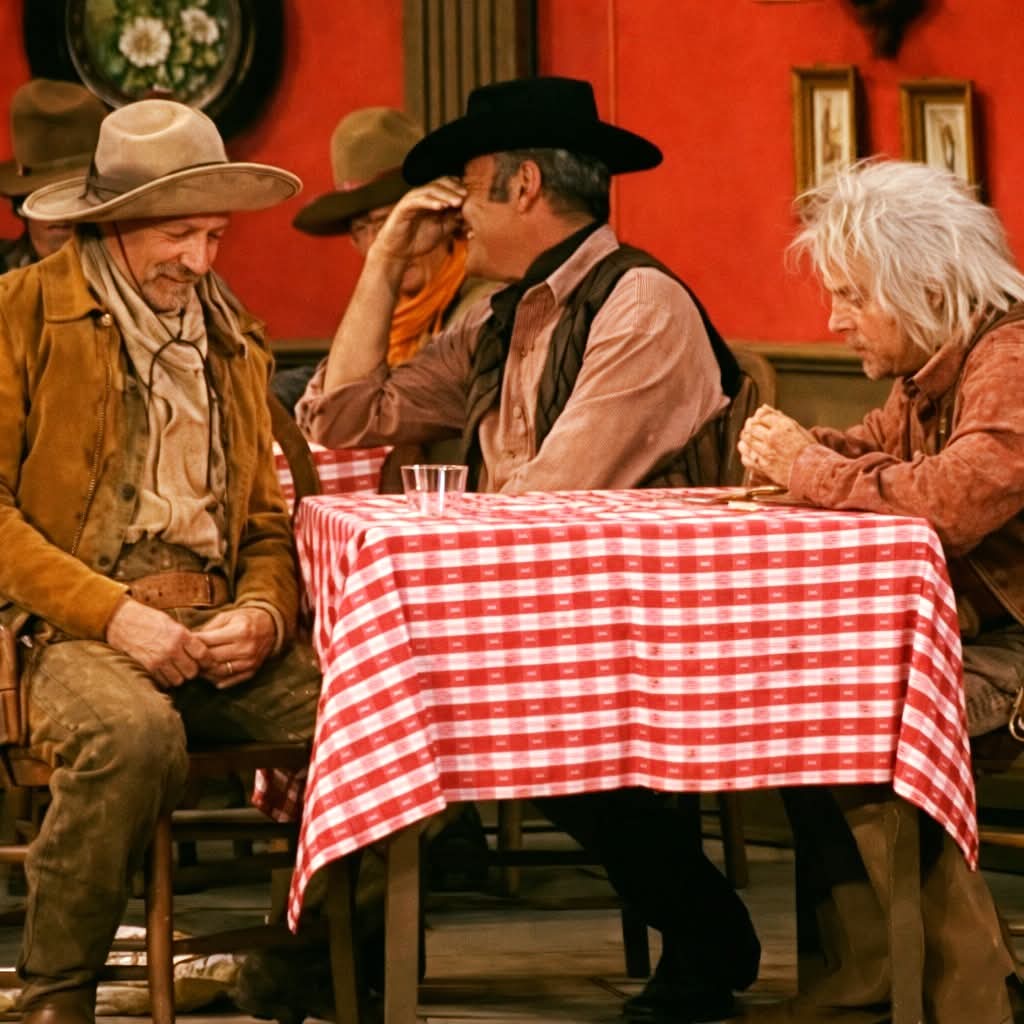
The premise seemed simple enough. A Western saloon. A tense standoff. A sheriff entering to restore order. But Conway approached the role with a level of commitment that transformed simplicity into brilliance. Every cautious step felt like it took a full minute. Every narrowed squint carried the weight of dramatic importance far beyond what the moment required.
What made it extraordinary wasn’t loud punchlines or fast-paced gags. It was restraint. Conway understood the power of stretching time. He allowed silences to grow uncomfortably long, then pushed them even further. The audience could feel the tension building, not from suspense, but from anticipation of the inevitable break.
You could see the shift happening across the set. The actor playing the outlaw began to crack first, his composure wobbling as Conway inched forward with almost painful slowness. The studio audience started to rumble with laughter that grew louder with every passing second.
And then there was Harvey Korman.
From the sidelines, Korman fought visibly to remain in character. His posture stiffened. His lips pressed together. His eyes watered as he tried to hold back what everyone knew was coming. The struggle itself became part of the comedy, turning the sketch into something far more layered than scripted entertainment.
Conway, sensing the weakness, did what he did best. He leaned in. He stretched the pauses even longer, adding tiny adjustments — a slow turn of the head, a delayed reaction, a perfectly innocent expression. It was comedy by precision, not chaos.
When Harvey finally broke, it wasn’t subtle. It was complete surrender. Shoulders shook. His face flushed red. The effort to stay in character vanished entirely. The audience erupted, no longer watching a Western parody but witnessing live television unravel in the best possible way.
What made the moment legendary was its authenticity. There were no retakes, no edits, no second chances. The laughter was real because the loss of control was real. It was a reminder of a time when performers trusted their instincts and embraced the unpredictability of live performance.
By the end of the sketch, the saloon set felt secondary. What mattered was the chemistry — the delicate dance between two masters of timing, one pushing and the other trying desperately to hold steady. In that brief stretch of television history, comedy wasn’t just performed. It took over.