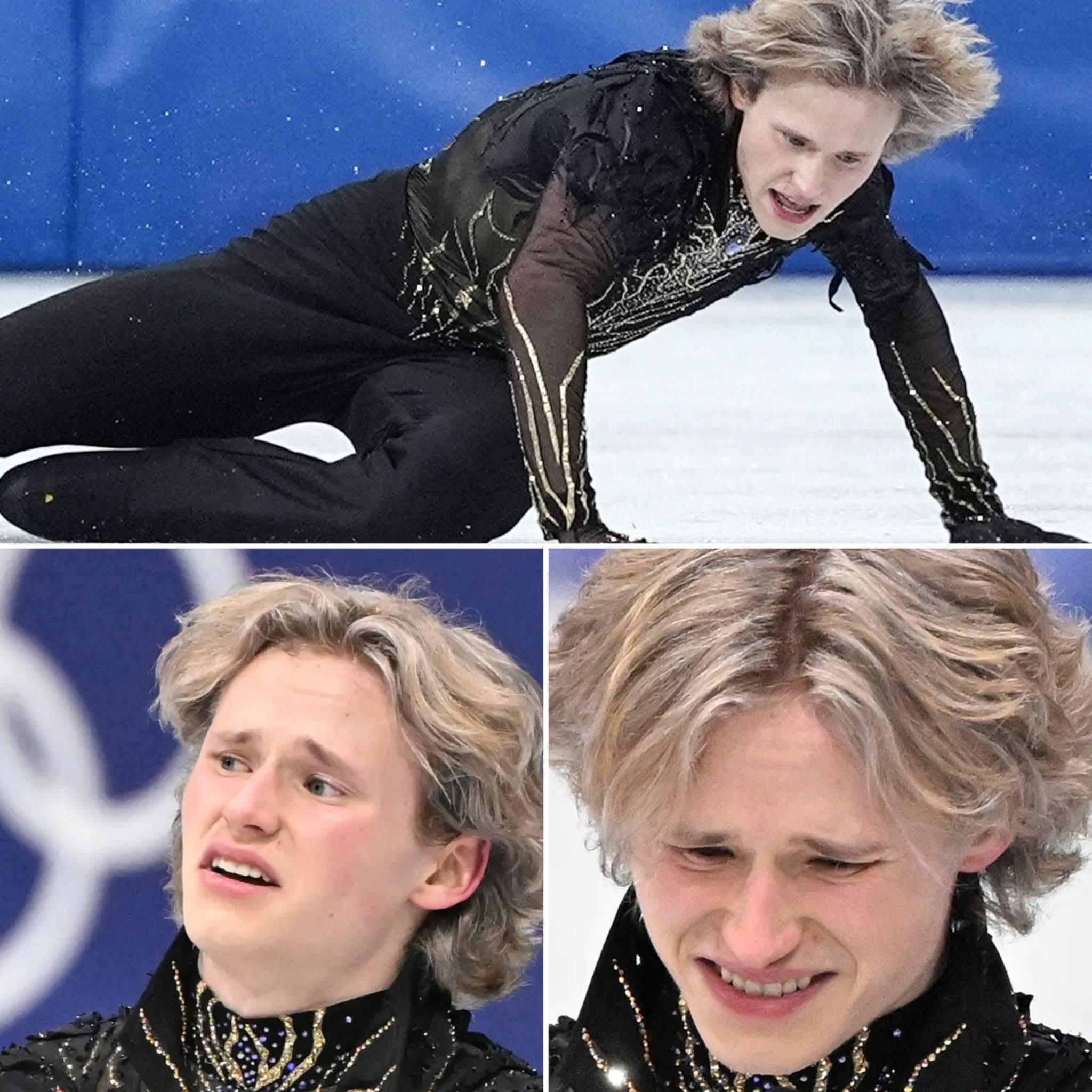
Ilia Malinin stunned the skating world at the 2026 Winter Olympics when a fall-filled free skate snapped his remarkable 14-event winning streak. The two mistakes not only pushed him off the podium, but left the 21-year-old finishing in an unexpected eighth place — a result few had predicted for the reigning world champion.
For an athlete known as the “Quad God,” dominance had become part of the narrative. His technical firepower, highlighted by the historic quadruple Axel, made him a consistent favorite. The Olympics, however, proved unforgiving. In a matter of minutes, years of momentum met the harsh reality of the sport’s biggest stage.
But it wasn’t just the placement that unsettled fans. In the hours following the competition, attention shifted from the rink to social media — specifically, Malinin’s TikTok activity. With more than 365,000 followers, his account became the focus of growing concern.
The skater reposted a series of deeply vulnerable messages that appeared to reference exhaustion, overwhelming pressure, and emotional burnout. While none directly detailed his personal situation, the tone struck a chord. For many supporters, the posts felt raw and reflective of the mental toll elite competition can carry.
Fans quickly moved into what some described as “protective overdrive.” Comments flooded in with encouragement, reassurance, and reminders of his achievements. Supporters emphasized that one difficult skate does not erase years of groundbreaking accomplishments or define a career.
The reaction highlights the evolving relationship between athletes and social media. Platforms like TikTok offer competitors a space to express emotion more freely, but they also amplify every signal. A repost or caption can ignite widespread interpretation within minutes.
Sports psychologists often note that Olympic pressure differs dramatically from other competitions. The once-every-four-years spotlight compresses expectations into a single performance. For someone who had not lost in 14 events, the abrupt shift may have felt especially jarring.
Despite the concern, some observers caution against overanalyzing social posts made in the immediate aftermath of disappointment. Processing emotions publicly has become increasingly common among younger athletes navigating both elite sport and digital visibility.
For now, what remains clear is the depth of support surrounding him. The skating community, along with his online following, has rallied behind the 21-year-old star, reinforcing that resilience often grows from moments like these.
Ilia Malinin’s Olympic chapter may not have unfolded as expected, but his story is far from over. Whether on the ice or online, the next steps he takes will be watched closely — not just for technical brilliance, but for the strength behind it.