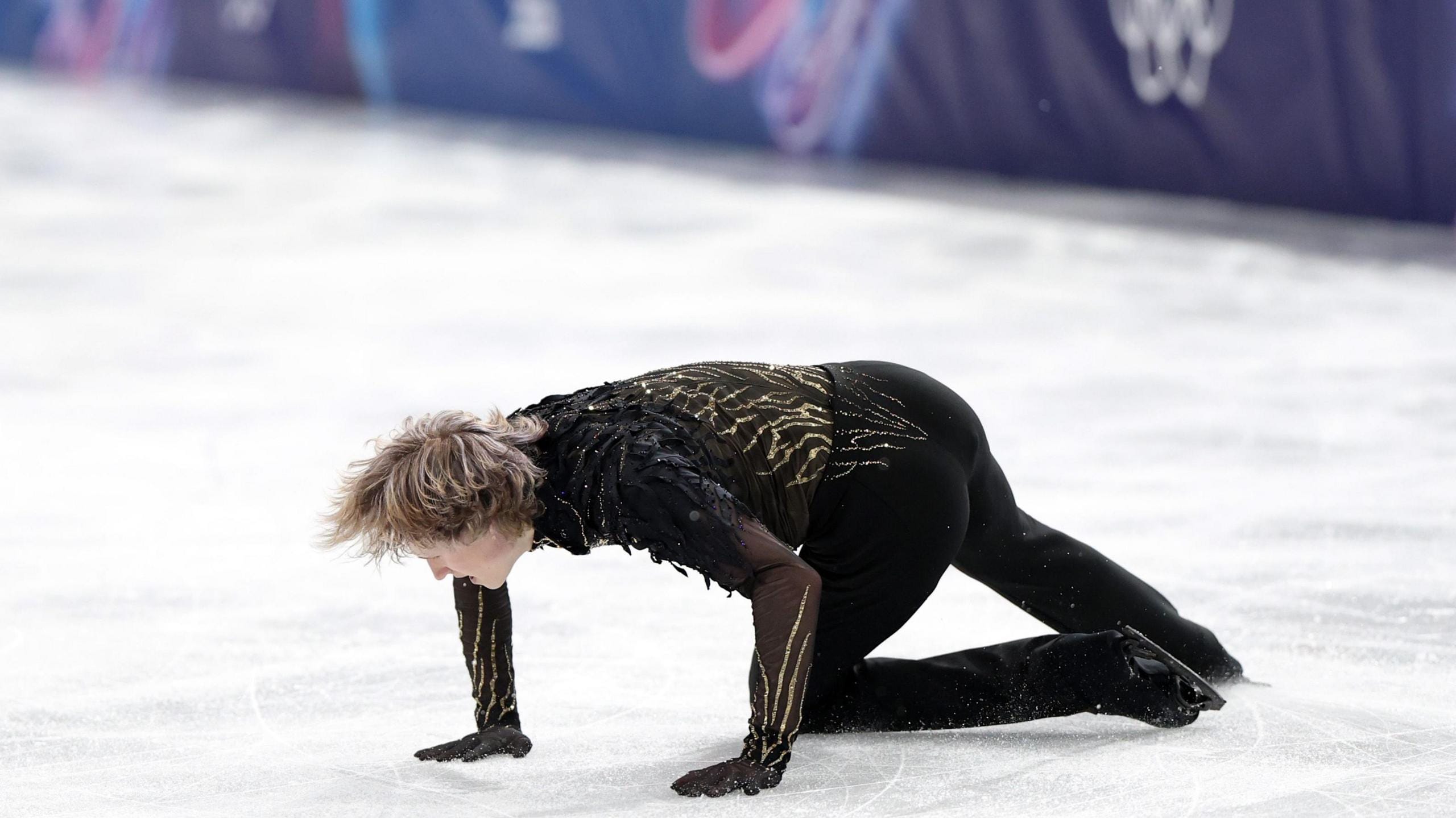
Following a difficult performance in the men’s figure skating final at the 2026 Winter Olympics, Ilia Malinin spoke candidly during a post-event press conference about his disappointment.
“I have disappointed everyone who believed in me,” he said, taking responsibility for the outcome. He acknowledged that the performance did not meet his own expectations and expressed regret over the mistakes that occurred during the free skate.
The remarks reflected the intensity of the moment. Olympic finals carry extraordinary pressure, and athletes often speak emotionally in the immediate aftermath of competition.
However, shortly after Malinin’s comments, his coach offered additional perspective. He emphasized that one performance does not erase years of achievement, preparation, and contribution to the sport. He also noted that the Olympic stage presents unique psychological demands, especially for athletes carrying heavy expectations.
Importantly, there has been no indication of misconduct or hidden controversy behind the result. The coach’s clarification reframed the narrative away from dramatic self-blame and toward a broader understanding of competitive sport — where setbacks, even at the highest level, are part of an athlete’s journey.
Press conferences immediately after competition often capture raw emotion rather than measured reflection. As time passes, both athletes and teams typically assess performances with greater balance.
Malinin remains one of the most technically ambitious skaters of his generation, and Olympic outcomes — positive or negative — rarely define an entire career.
While the disappointment in Milan was real, the broader context suggests this moment is a chapter, not a conclusion.