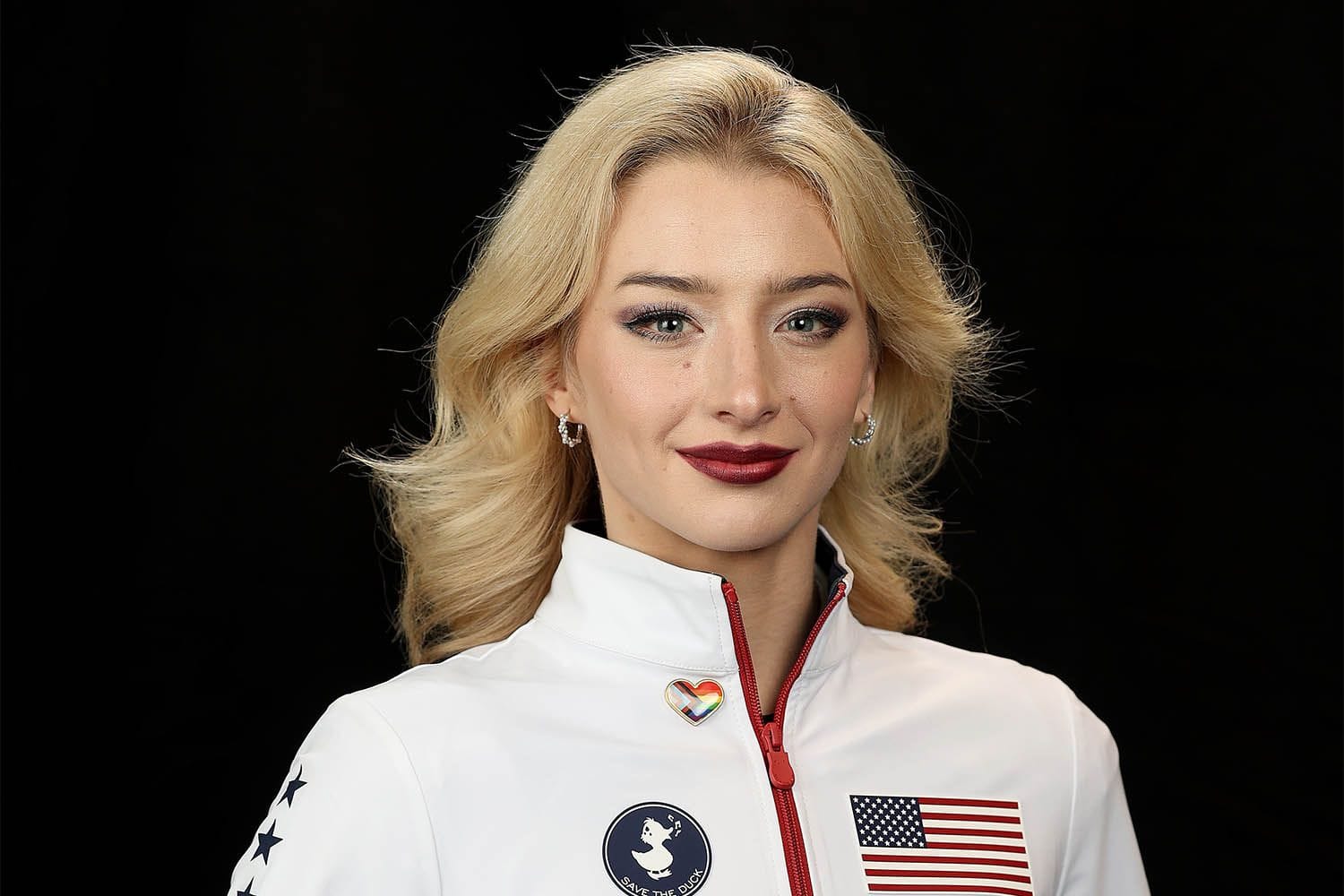
Amber Glenn’s Olympic short program was supposed to be a defining step forward. Instead, a missed triple loop unraveled the routine and left the medal hopeful visibly shaken on skating’s biggest stage.
The error proved costly in a segment where every fraction of a point matters. By the time the music ended, the damage had already been done. Glenn stood fighting back tears, fully aware that another Olympic campaign weighed heavily on that single moment.
In the kiss-and-cry, emotion overtook composure. Cameras captured her heartbreak as scores confirmed she had fallen out of contention. Almost instantly, debate erupted online — not just about the jump itself, but about the pressure surrounding her return to the Games and the expectations placed on her shoulders.
Some fans pointed to the unforgiving nature of Olympic judging. Others questioned whether the spotlight had grown too intense in the lead-up to the event. The conversation quickly expanded beyond technical analysis, becoming a broader discussion about pressure, resilience, and how athletes process public disappointment.
Then came a message that shifted the tone.
Madison Chock, fresh off her own Olympic success, shared words that many interpreted as a show of solidarity. While she did not reference specifics, her message emphasized perseverance, compassion, and the understanding that one performance does not define a career.
The timing was impossible to ignore. Within minutes, fans began sharing Chock’s statement alongside clips of Glenn’s skate, calling it a reminder of the unity within the skating community.
What began as a difficult result evolved into something larger — a conversation about empathy in elite sport. Glenn’s tears reflected the human cost of competition, while Chock’s response reframed the narrative around support rather than scrutiny.
In the end, the moment may be remembered not only for a missed jump, but for how quickly the skating world rallied to remind one of its own that she is more than a single score.