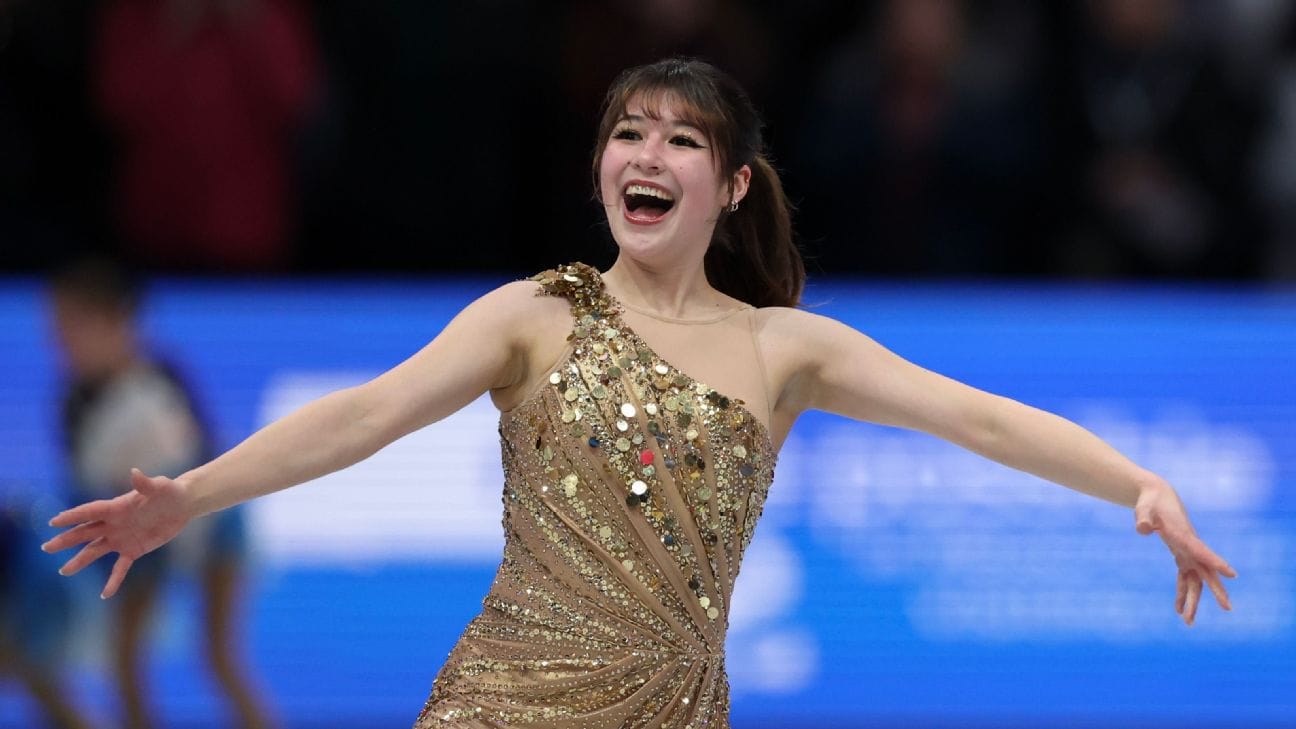
All eyes are on Alysa Liu — not just for her gold-medal performance in Milan, but for the financial conversation that followed. After her father revealed he spent nearly $1 million supporting her skating journey, fans began asking a blunt question: does Olympic gold actually pay that back?
The short answer is complicated.
For Team USA athletes, the U.S. Olympic & Paralympic Committee awards direct medal bonuses. A gold medal typically comes with a payout in the range of $37,500, with smaller amounts for silver and bronze. It’s a meaningful reward — but compared to a seven-figure family investment over more than a decade, it’s only a fraction of the total cost.
Figure skating at the elite level is notoriously expensive. Year-round ice time, elite coaching teams, choreographers, international travel, custom costumes, skates, sports psychologists, strength trainers — the bills stack quickly. For prodigies who compete globally from a young age, expenses can reach six figures annually.
That’s where endorsements come in.
Olympic gold can dramatically increase an athlete’s earning power. Sponsorships, appearance fees, speaking engagements, brand partnerships, and tour invitations often follow a breakthrough moment like Liu’s. Companies gravitate toward athletes who are not just winners, but compelling stories — and Liu’s comeback narrative adds enormous value.
Industry analysts suggest that a newly crowned Olympic champion in a high-visibility sport like figure skating can potentially secure multi-year endorsement deals worth hundreds of thousands — sometimes millions — depending on marketability and timing. Social media reach, personality, and public image all factor in.
There are also performance bonuses from sponsors already under contract. Many endorsement agreements include escalators triggered by Olympic medals, meaning Liu’s gold could activate additional payouts beyond the base deal.
Still, Olympic success doesn’t guarantee instant financial security. Unlike team sports with massive league salaries, figure skating earnings are performance-driven and heavily reliant on continued visibility. Longevity matters.
As for “payback,” Liu’s father has made it clear in past interviews that the investment was never framed as a business transaction. It was about belief. About opportunity. About giving his daughter the chance to chase something extraordinary.
The deeper conversation now unfolding isn’t just about dollars. It’s about what elite sport really costs — financially and emotionally — and whether the system demands too much from families long before medals are ever guaranteed.
In the end, Liu’s gold is priceless in one sense: it ended a 24-year drought and rewrote American skating history. Whether it balances a $1 million ledger may depend less on prize money — and more on what comes next in endorsements, legacy, and the life she chooses to build beyond the podium.