Just weeks after a moment that left him shaken on the biggest stage, Ilia Malinin returned with something to prove — not to the judges, not to the crowd, but to himself.
The memory of the Milano Cortina 2026 Winter Olympics still lingered. A performance that didn’t go as planned. A night where expectations turned into pressure, and pressure turned into visible pain. He later admitted how difficult it was — how he just wanted to get through it in one piece.
But what happened next is what defines careers.
At the ISU World Figure Skating Championships in Prague, Malinin stepped onto the ice with a completely different energy. Not hesitation — but intent. Not doubt — but focus. It was clear from the opening moments that this wasn’t just another program.
This was a response.
What followed was nothing short of extraordinary. Quad after quad, executed with precision. A powerful triple Axel. And then, the moment fans have come to associate with him — his signature backflip, sealing a performance that felt both technically dominant and emotionally charged.
And the result? A third consecutive world title.
Finishing ahead of Yuma Kagiyama and Shun Sato, Malinin didn’t just win — he made a statement. One that echoed far beyond the final scores.
But the most powerful moment didn’t come from a jump.
It came right after.
A shout. A fist raised into the air. A release of everything he had been carrying — frustration, pressure, expectation. It wasn’t just celebration. It was relief. It was survival. It was proof that he had fought his way back.
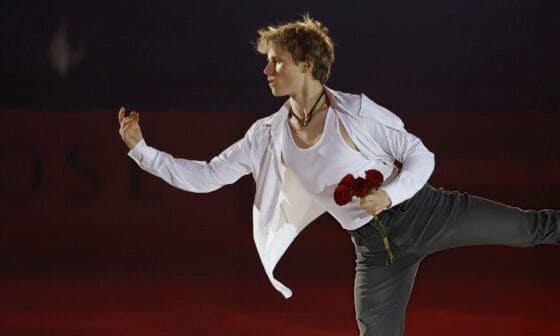
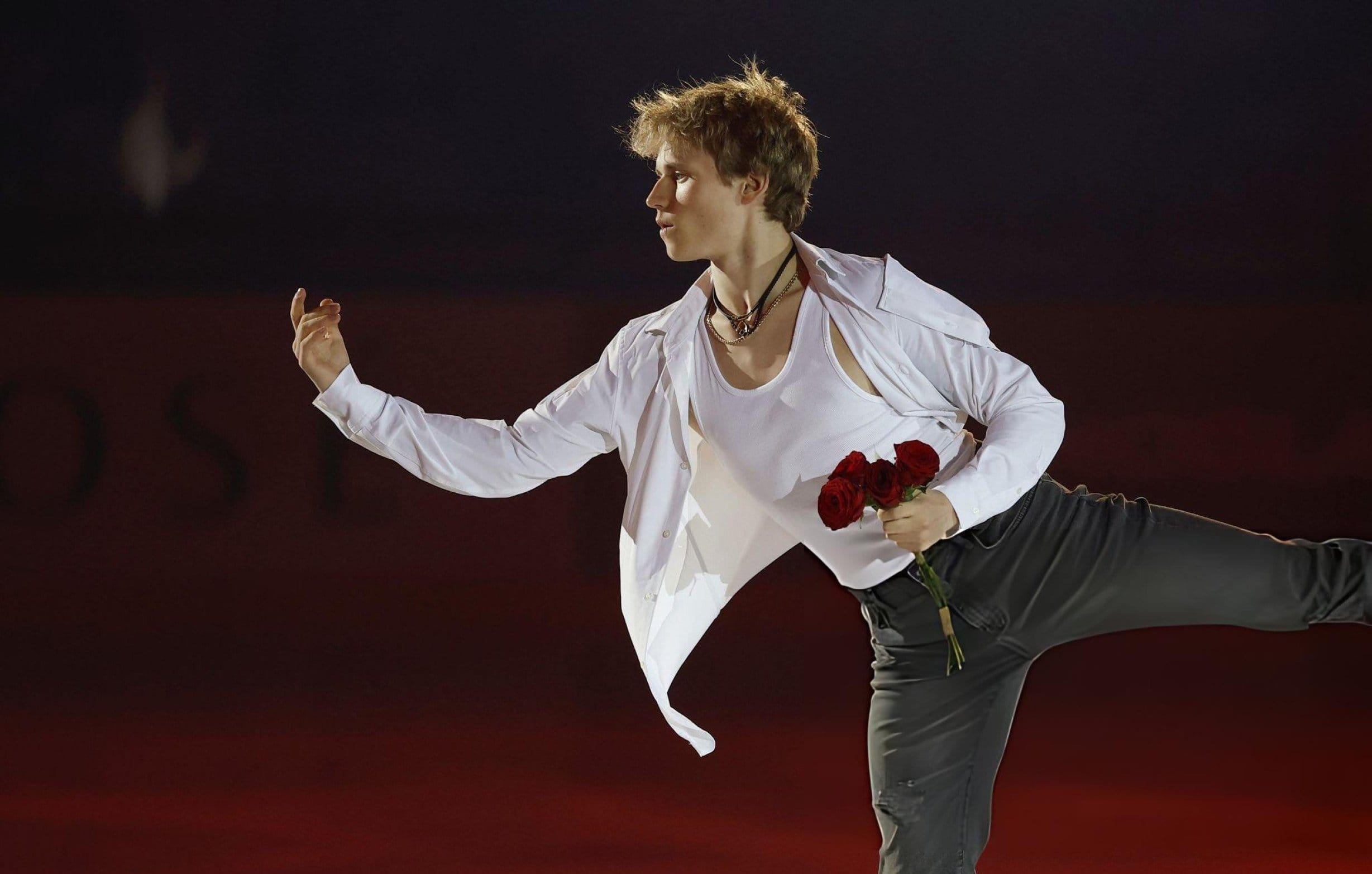
That emotion carried into the gala, where he skated with a freedom that hadn’t been there before. No weight, no hesitation — just expression and confidence. His groundbreaking seven-quad layout once again pushed the limits of what the sport thought possible.
And now, standing alongside Nathan Chen with three consecutive world titles, Malinin has entered a different kind of conversation.
Not just as a champion.
But as someone redefining the sport itself.
Because this wasn’t just about winning after a loss.
It was about turning pain into power — and rewriting his legacy in the process.