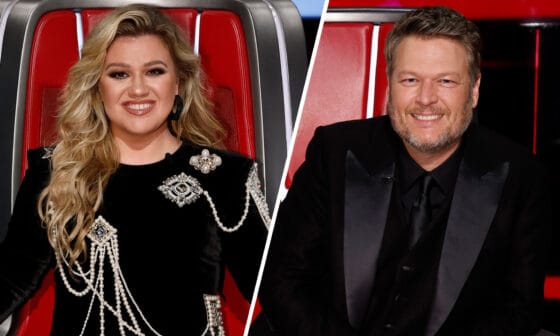
A deeper conversation is unfolding around American Idol, and this time, it goes beyond performances and rankings. It’s about perception—and why it seems to shift depending on who’s on stage.
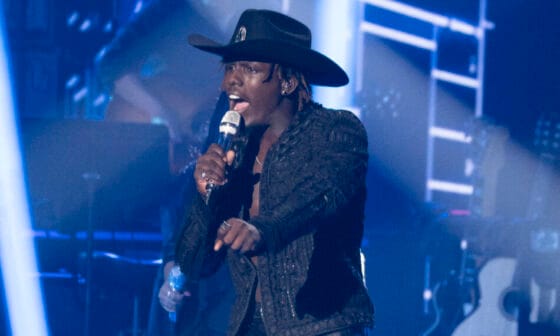
At the center of it is Keyla Richardson, who has begun speaking out after facing a wave of criticism that many fans are now questioning.
Because the contrast is hard to ignore.
When contestants like Hannah Harper share moments involving their children, the reaction is often positive—described as “heartwarming,” “relatable,” even inspiring. But when Keyla brings her role as a mother into her performances or story, the tone online has, at times, shifted.
More critical.
More intense.
And for many viewers, more unfair.
That’s what sparked the current discussion. Not just the criticism itself—but the difference in how similar moments are being received. It’s a comparison that’s now being openly talked about, both by fans and by Keyla herself.
In her response, Keyla didn’t stay silent.
She addressed the situation directly, calling out what she sees as double standards in how contestants are judged—not just for their performances, but for how they present their lives and identities on stage.
Her message wasn’t just about defending herself.
It was about asking a bigger question.
Why does the reaction change?
Some supporters believe the criticism is simply part of being in a high-profile competition, where every decision—song choice, performance style, personal story—gets analyzed heavily. Others, however, feel there’s something deeper influencing the tone of the response.
That’s where the conversation becomes more serious.
Because when fans begin to question whether bias—conscious or not—is playing a role, the focus shifts from entertainment to something more meaningful. It becomes less about one performance and more about fairness, representation, and how different voices are received.
At the same time, it’s important to recognize the complexity.
Not every reaction comes from the same place. Some viewers respond to style, delivery, or storytelling preferences. Others connect—or don’t connect—based on personal taste. But when patterns start to feel uneven, people begin to notice.
And right now, people are noticing.
Support for Keyla is growing, with many fans stepping in to defend her, emphasizing that being a mother is part of her story—not something that should be used against her. They’re calling for consistency, for respect, and for judging contestants by the same standard.
Because in the end, that’s what this comes down to.
Not just who sings best.
But whether everyone is being seen—and judged—equally.
And as this conversation continues, Keyla Richardson has made one thing clear:
She’s not just performing anymore.
She’s speaking up.