A surprising pattern is starting to take shape on American Idol, and it’s changing how fans are interpreting the competition. What looks like criticism on the surface may actually be fueling something much bigger for Keyla Richardson—a wave of support that could quietly push her closer to the win.
Week after week, viewers have noticed the contrast. When Hannah Harper delivers a performance, the response is often overwhelmingly positive—standing ovations, praise, and strong approval. But when Keyla steps onto the stage with a similar level of intensity, the reaction online tends to shift dramatically.
Instead of universal praise, her performances often spark debate. Comments flood in, some supportive, others critical, and many dissecting every detail of her delivery. On the surface, it might seem like a disadvantage. But in a voting-based competition, attention—any kind of attention—can carry unexpected influence.
This is where the idea of “sympathy votes” comes into play. Fans who feel a contestant is being treated unfairly often rally behind them, not just to support their talent, but to counterbalance what they see as negativity. In Keyla’s case, that response appears to be growing stronger with each passing week.
Many viewers are now drawing comparisons to Jamal Roberts from a previous season, whose journey followed a similar trajectory. Despite facing criticism, his support base continued to expand, ultimately carrying him to victory. That story has become a reference point for fans who believe the same pattern could be unfolding again.
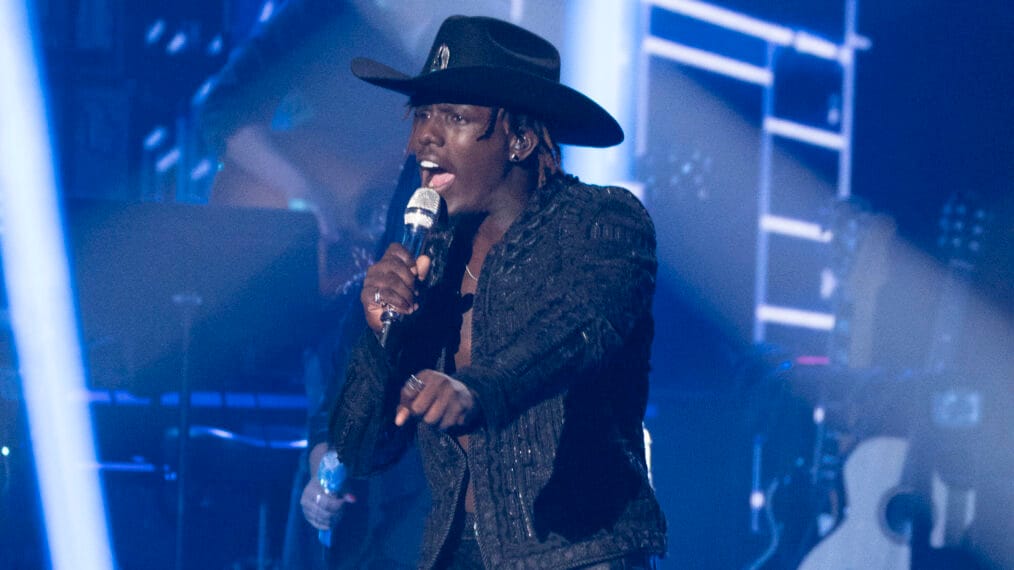
The psychology behind it is simple but powerful. When audiences perceive imbalance or unfairness, they often act to correct it. In a show like American Idol, where votes determine outcomes, that reaction can translate directly into results.
At the same time, the comparison between Hannah and Keyla adds another layer to the conversation. It’s not just about individual performances—it’s about perception. Two contestants can deliver equally strong moments, yet receive completely different responses based on how they are viewed by the audience.
This contrast has created a kind of rivalry narrative, whether intentional or not. Supporters of both contestants are becoming more vocal, defending their favorites and challenging opposing opinions. That dynamic only increases visibility for both singers, keeping them at the center of attention.
For Keyla, this attention may be working in her favor more than it appears. The more she is discussed, the more she stays relevant in the minds of viewers. And in a competition where weekly voting matters, staying top-of-mind can be just as important as delivering a strong performance.
Of course, not everyone agrees with the idea that negativity leads to success. Some argue that consistent criticism can still harm a contestant’s chances, especially if it influences undecided voters. But even those perspectives acknowledge one thing—Keyla’s presence is impossible to ignore.
What makes this situation so compelling is the unpredictability of audience behavior. There’s no guaranteed formula for winning, and trends can shift quickly. But when patterns like this start to emerge, they’re hard to dismiss completely.
As the competition moves forward, the question isn’t just who performs best—it’s who connects most strongly with the audience. And connection can come from admiration, loyalty, or even the desire to defend someone against criticism.
In the end, the possibility remains that what looks like a disadvantage could actually be a hidden advantage. If history is repeating itself, then the very thing working against Keyla Richardson might be the force that carries her all the way to the top.