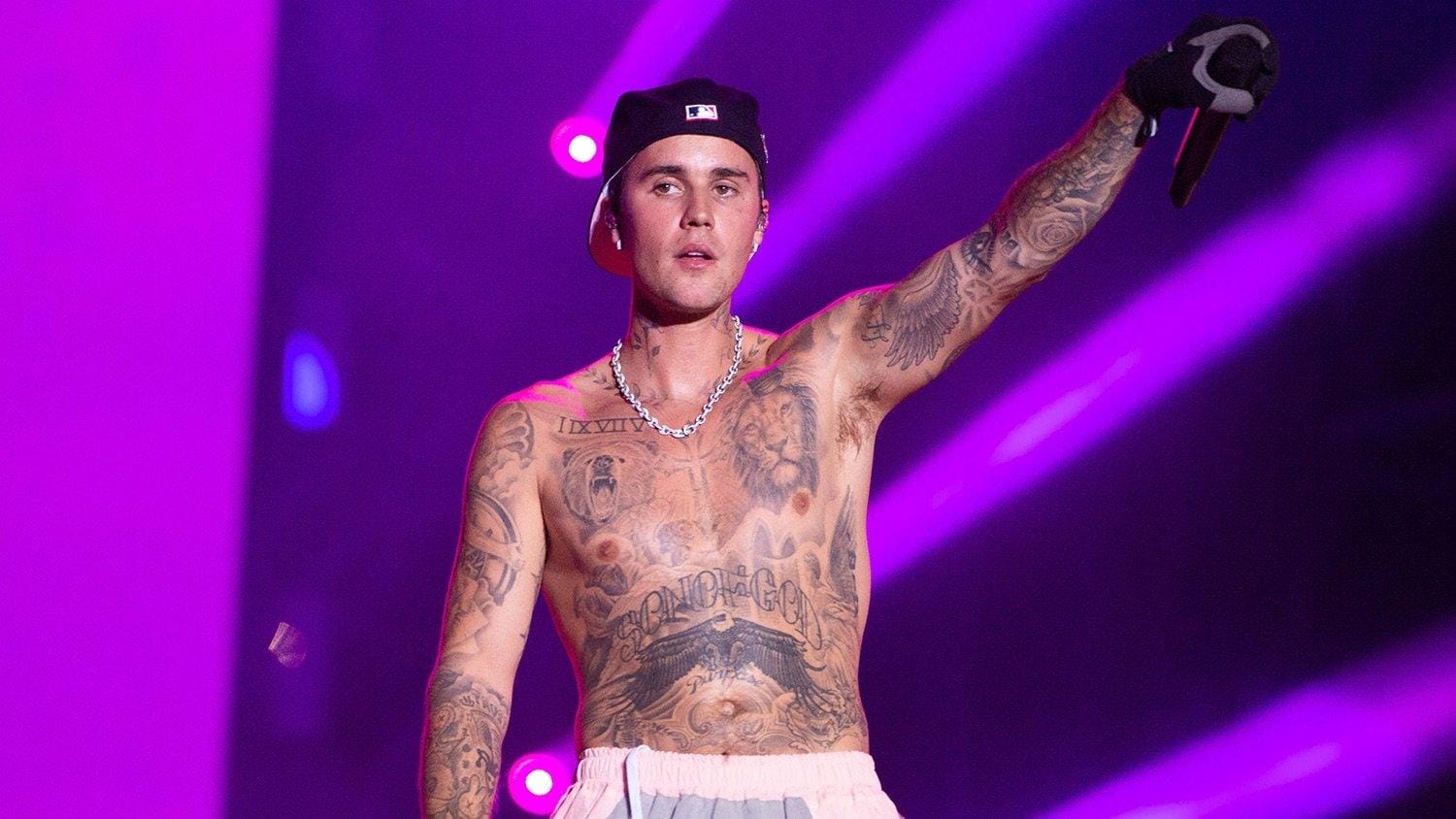
The night already carried a certain electricity at Coachella, but no one expected the atmosphere to shift the way it did. In the middle of his set, Justin Bieber paused, and for a brief second, everything felt suspended—like something unexpected was about to happen.
Then the lights dimmed.
The music softened.
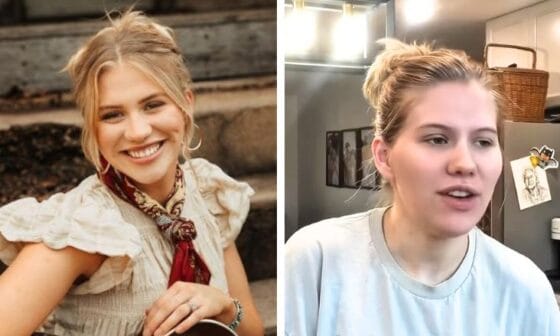
And suddenly, Billie Eilish appeared, stepping into a moment that felt bigger than just a performance. It wasn’t just another surprise guest appearance—it felt personal, almost symbolic, especially for fans who knew her history as someone who once openly admired Bieber as a superfan.
What followed felt unreal even to those watching it live. Bieber began singing “One Less Lonely Girl,” a song deeply tied to fan moments from his early career. But this time, the dynamic was different. Instead of pulling a random fan from the crowd, he directed the moment toward Billie, creating a scene that blurred the line between past and present.
The crowd didn’t just react—they erupted. Screams filled the air, phones shot up in every direction, and for a few seconds, it felt like the entire festival was caught in the same emotional wave. It wasn’t just hype anymore—it was recognition. People realized they were witnessing something that carried real meaning.
For Billie Eilish, the moment seemed almost surreal. Fans watching closely could see the shift in her expression—from surprise to something more reflective. It was as if she was stepping into a memory, one that had once existed only from the other side of the stage.
What made the moment so powerful was its simplicity. There were no elaborate visuals or dramatic staging changes. It was just two artists, one song, and a shared history that added depth to every second. That authenticity is what made it resonate so strongly.
Within minutes, clips of the performance began spreading across social media. Fans replayed the moment again and again, trying to capture the feeling of what had just happened. Comments flooded in, with many calling it one of the most emotional highlights in recent Coachella history.
The phrase “full-circle moment” quickly became the dominant description. And it made sense. Seeing someone who once stood in the audience now stand on stage, being part of the same experience they once dreamed about, created a connection that went beyond music.
There’s something universally relatable about that kind of moment. It speaks to the idea that admiration can turn into achievement, that dreams don’t always stay distant. And when it happens in such a visible, public way, it feels amplified for everyone watching.
For Justin Bieber, the gesture felt intentional. It wasn’t just about performing a song—it was about acknowledging that journey, recognizing the impact he had on someone who has now become a major artist in her own right.
At the same time, the moment added another layer to how fans see Billie Eilish. Not just as a global star, but as someone who once stood where they stand now—looking up, hoping, imagining. That connection makes her story feel even more real.
As the clips continue to circulate, the moment is taking on a life of its own. It’s no longer just a performance—it’s a memory being shared, replayed, and reinterpreted by millions of people who felt something shift when they watched it.
In the end, what happened on that stage wasn’t just about music. It was about timing, history, and emotion coming together in a way that can’t be planned. And for a brief moment at Coachella, the crowd didn’t just watch a show—they watched a dream unfold in real time.