The murder trial of Karmelo Anthony has entered its final stage after the defense officially rested its case, setting the stage for closing arguments and eventual jury deliberations.
After days of testimony and dozens of witnesses, one of the biggest questions hanging over the trial was finally answered.
Anthony will not testify in his own defense.
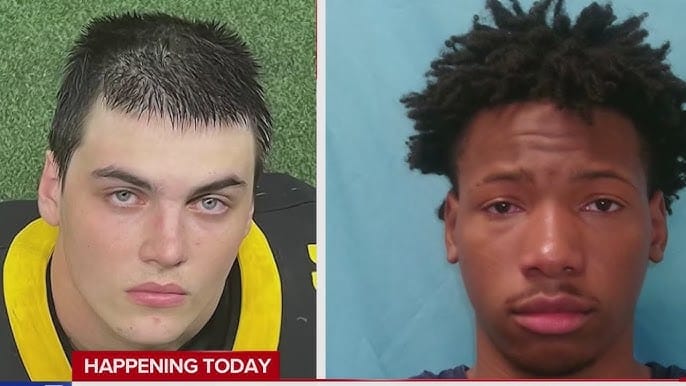
The decision followed speculation inside and outside the courtroom about whether jurors would hear directly from the 19-year-old charged in the fatal stabbing of Austin Metcalf during a track meet in 2025.
Instead, the defense concluded its case without putting Anthony on the witness stand.
The defense’s strategy focused on arguing that Anthony acted in self-defense during a confrontation that escalated rapidly. However, several courtroom observers noted that the defense faced challenges in persuading jurors that the stabbing met the legal requirements for self-defense.
One issue drawing attention involved testimony from a defense witness.
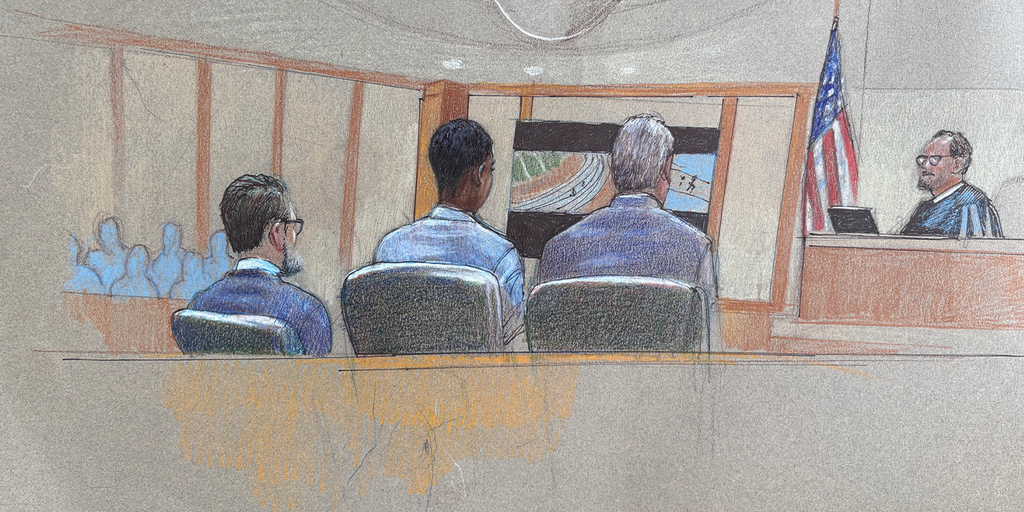
According to courtroom reports, the witness ultimately expressed views that appeared to conflict with parts of the defense’s argument, creating an unexpected moment during the proceedings and prompting significant discussion among trial observers.
Another challenge for the defense involved eyewitness testimony.
Multiple student witnesses testified about the confrontation, and according to reports from those covering the trial, many of those witnesses did not describe the incident as an act of self-defense. Their testimony has become a major component of the prosecution’s case.
The prosecution also focused heavily on physical evidence, witness accounts, and statements allegedly made by Anthony shortly after the incident.
Throughout the trial, prosecutors have argued that the evidence supports a murder conviction, while defense attorneys have maintained that Anthony reacted to what he perceived as a threat.
One of the most emotional moments came from testimony describing the efforts made to save Austin’s life.
Jurors reportedly became visibly emotional as witnesses recounted the desperate attempts to help the teenager after the stabbing. According to courtroom observers, it was one of the few times throughout the trial that members of the jury openly displayed emotion.
Now the case moves to its most important phase.
Closing arguments will give both sides one final opportunity to summarize their evidence and explain why they believe the jury should rule in their favor.
Afterward, jurors will begin deliberating behind closed doors.
The jury is expected to remain sequestered while considering the evidence, reviewing testimony, and determining whether prosecutors proved the charge beyond a reasonable doubt.
Legal analysts note that several outcomes remain possible.
Jurors could convict Anthony of murder.
They could consider lesser offenses if instructed by the court.
Or they could find that the prosecution failed to meet its burden of proof.
Whatever the outcome, the decision will carry enormous consequences.
One family continues mourning the loss of a son who never came home from a track meet.
Another family waits to learn the fate of their son.
And after weeks of testimony, evidence, and emotional courtroom moments, the responsibility for answering the case’s biggest questions now belongs entirely to the jury. ⚖️💔