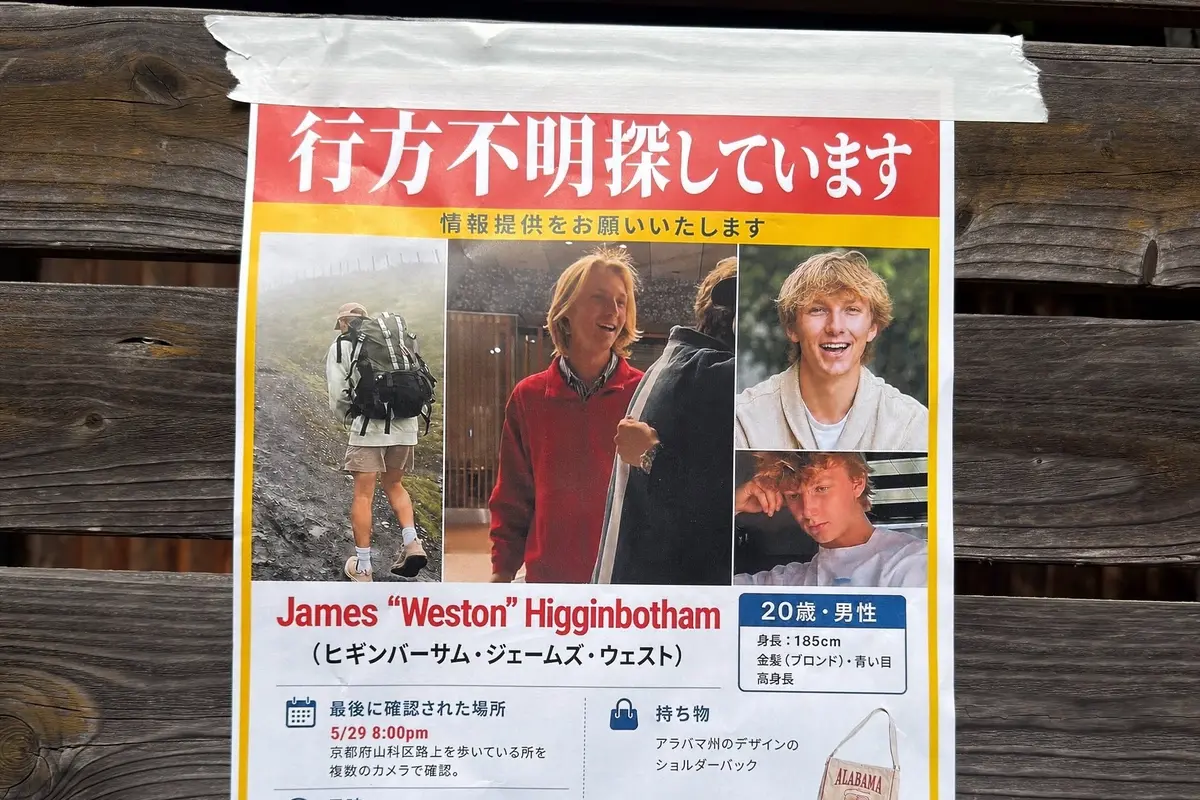
Friends and family of James “Weston” Higginbotham are now speaking out to clear up misunderstandings about who he was and what may have happened before the Auburn University student was found dead in Japan. Their message is simple: Weston was not someone trying to disappear. He was a young man who loved nature, needed space, and may have walked into a dangerous situation without realizing how quickly conditions could change.
Weston, 20, disappeared on May 29 while traveling in Japan with his family. What began as a family vacation turned into a desperate search after he became separated from them in Kyoto and stopped responding to calls and messages. For more than a week, his loved ones waited for answers while search teams, volunteers, and supporters across the world hoped he would be found safe.
His mother, Nancy Higginbotham, later confirmed the heartbreaking news that Weston’s body had been found by a volunteer search-and-rescue team in a mountainous area of Kyoto’s Yamashina Ward. Authorities have not publicly released an official cause of death, but police have said foul play is not suspected.
According to reports, Weston had a disagreement with his mother earlier that day and left to spend time alone while the rest of the family visited a temple. Those close to him say that part of the story has been misunderstood by some people online. They believe Weston was not running away, but simply doing something familiar to him: going outside to clear his mind.
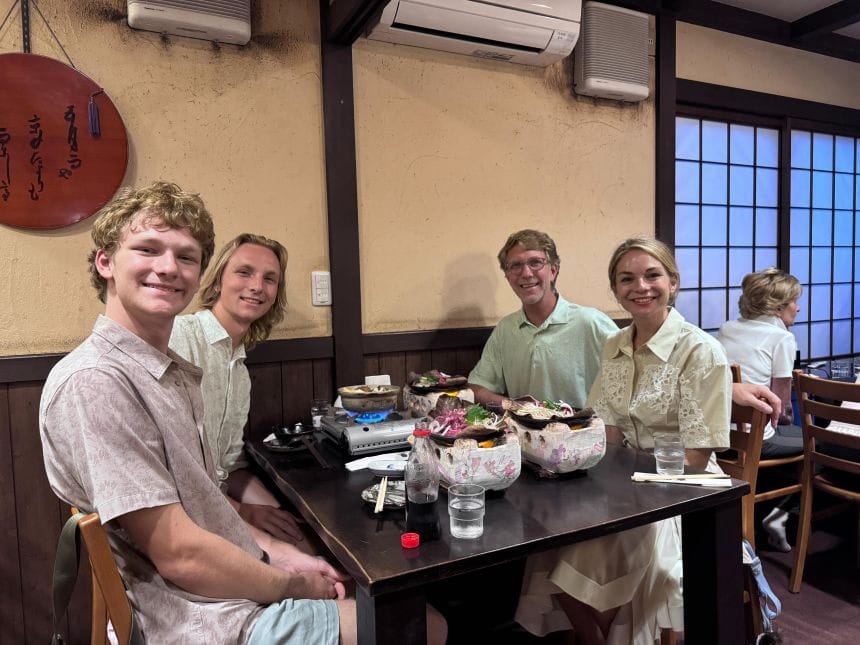
Friends said Weston had always found comfort in nature. He loved hiking, exploring, and environmental causes, and he was known for caring deeply about the outdoors. That is why his loved ones believe he may have headed toward nearby wooded trails after becoming upset, not realizing how dangerous the area could become as weather conditions worsened.
Investigators believe Weston left the area around 6 p.m. on May 29, and his cellphone reportedly lost network service later that evening. Security camera footage captured him walking alone in Kyoto’s Yamashina district around 8 p.m., along a route that led toward hiking trails and wooded areas.
Reports also indicated that Weston stopped at a hardware store before continuing toward the trail system. When his family could no longer reach him by phone or text, they reported him missing early the next morning, beginning a search that would stretch for days and grow more difficult as severe weather affected the area.
Family friend Jennifer Harper Bowen said she does not believe Weston intentionally vanished. She explained that he was upset and likely wanted space, but that the situation turned into a terrible combination of timing, terrain, and circumstances. His mother echoed that thought, saying it was not unusual for Weston to go into the woods when he needed to calm down because nature was his happy place.
Close friend Audrey Daniels remembered Weston as an experienced hiker and someone who used outdoor adventures as a way to relax and recharge. She described him as kind, intelligent, well-rounded, and full of heart for his family, friends, strangers, and especially the environment. Even the shirt he was last seen wearing, a “Save the Bees” T-shirt, reflected the causes he cared about.
Now, those who loved Weston are asking people to remember him for the person he was, not just the tragedy of his final day. His family said their grief is impossible to put into words and thanked the many people in Japan, the United States, and around the world who helped spread awareness and support the search. For his friends, the clearest truth is that Weston was a caring young man who loved the natural world, and his final journey appears to have been a heartbreaking accident during a moment when he simply wanted space.