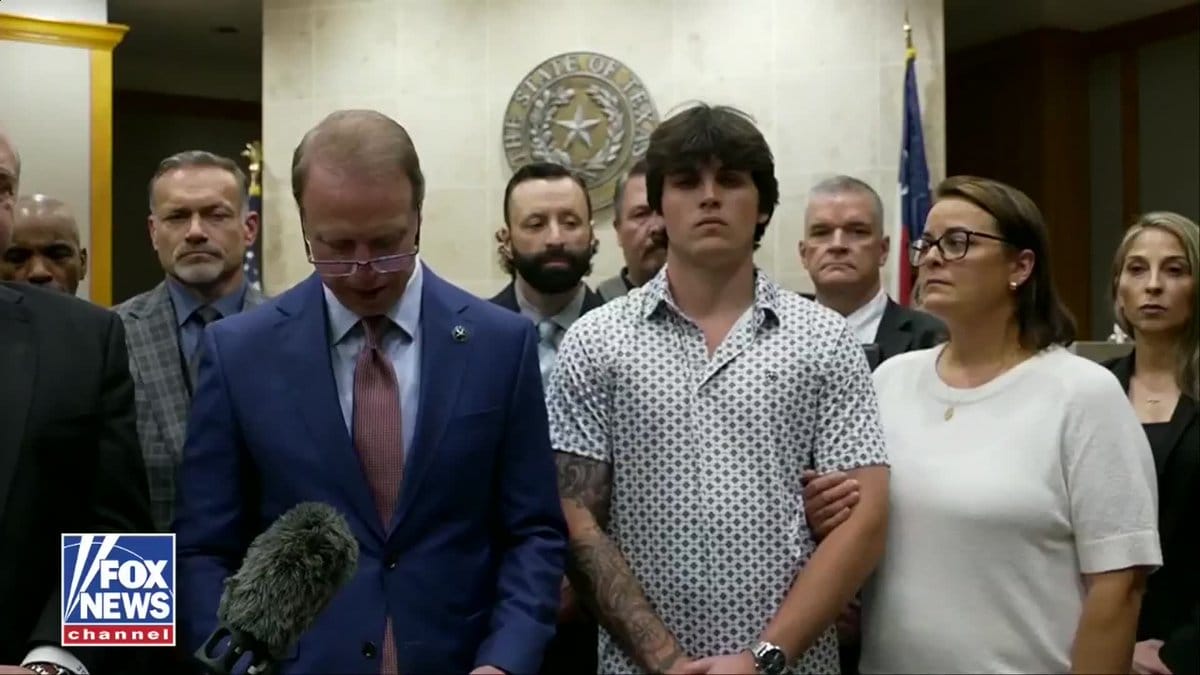
The courtroom atmosphere reportedly changed in a matter of seconds as disturbing evidence was presented during the Karmelo Anthony murder trial, drawing visible reactions from some jurors and leaving observers focused on the emotional weight of the moment. What had already been a tense trial became even heavier as the jury was forced to confront evidence tied to the final moments of Austin Metcalf’s life.
Anthony was on trial in connection with the fatal stabbing of 17-year-old Austin Metcalf during a high school track meet in Frisco, Texas. The case has drawn national attention because of the ages of those involved, the public setting where the incident happened, and the ongoing debate over whether Anthony acted in self-defense or used deadly force without justification.
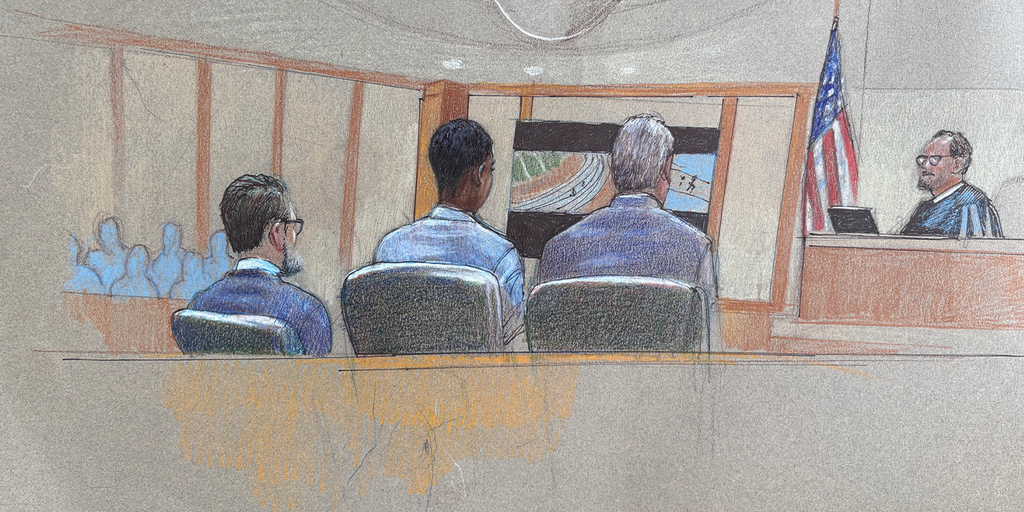
As the evidence was shown in court, several people inside the room reportedly appeared shaken. Some jurors were said to have visible reactions, while others sat quietly as the prosecution continued presenting its case. For many observers, the silence inside the courtroom became one of the most powerful moments of the trial.
Reports from the courtroom said Anthony did not appear to look directly at the images while they were displayed. That detail quickly became a talking point online, where people began debating whether his reaction showed guilt, remorse, discomfort, or simply the emotional pressure of sitting through the trial.
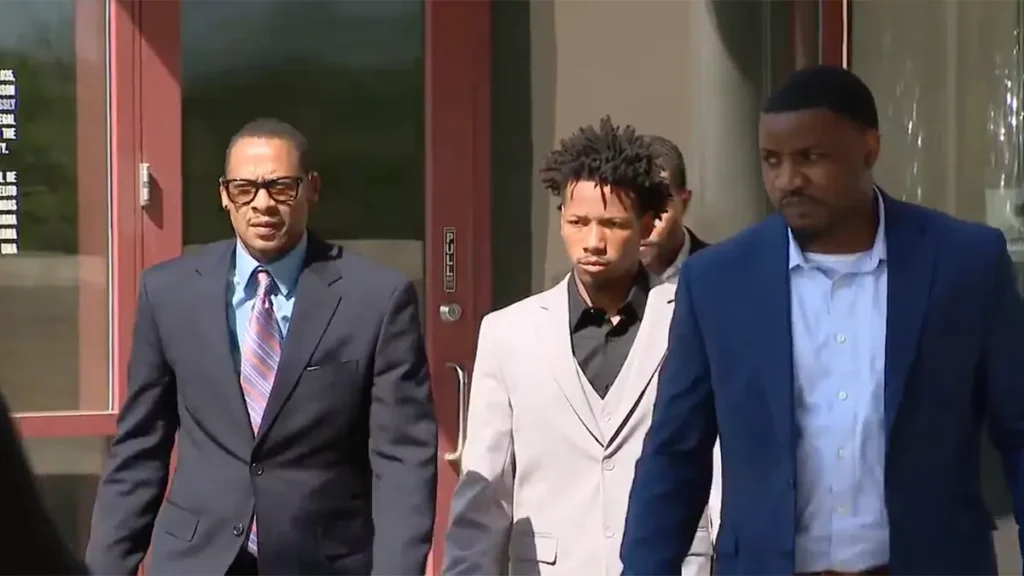
But legal observers warned that body language alone does not prove anything. A defendant looking away during difficult evidence can be interpreted in many ways, and jurors are expected to focus on the facts, testimony, and law rather than online speculation about facial expressions or posture.
The prosecution used the evidence as part of its effort to show the seriousness of what happened and the consequences of the confrontation at the track meet. Their argument has centered on the claim that Anthony had choices before the situation turned deadly and that the use of a knife was not justified.
The defense, however, continued to argue that Anthony acted out of fear during a chaotic confrontation. His attorneys have pointed to the physical exchange before the stabbing and have tried to frame the moment as one where Anthony believed he needed to protect himself.
Still, one of the biggest unanswered questions throughout the case has remained why Anthony had a knife at a school track meet in the first place. Prosecutors have returned to that point repeatedly, arguing that it matters when deciding whether the incident was self-defense or an avoidable act of violence.
The emotional evidence also reminded the courtroom that this case is not only about legal arguments. Austin Metcalf’s family has had to sit through painful testimony while hearing the final moments of their son’s life discussed in front of a jury, while Anthony’s family has also watched the trial knowing his future was at stake.
By the end of the day, the evidence had left a clear mark on the courtroom and on those following the trial. The images may have drawn the immediate reaction, but the larger questions remained: what exactly led to that moment, whether the jury would accept self-defense, and how one confrontation at a school event ended with two families changed forever.