Maria Eduarda Rodrigues de Freitas went to the Skeleton Bridge in Limeira, Brazil, expecting a thrill-seeking moment she had been excited to try. Instead, the 21-year-old student was launched from the bridge without being attached to the safety rope that was supposed to protect her.
Brazilian police investigator Andrea Levy said Maria was not connected to any safety ropes when the jump happened. Authorities said the instructors involved acknowledged that the ropes were never attached before she was sent from the 130-foot structure.
The incident happened during a rope-jumping activity at Ponte do Esqueleto, known as the Skeleton Bridge, an abandoned railway viaduct in São Paulo state. Maria had reportedly requested an “airplane style” launch, where instructors lift the participant before releasing them into a swinging jump.
Video from the scene reportedly showed instructors lifting Maria before the jump while the safety rope remained unused. People nearby could be heard reacting as the horrifying mistake became clear.
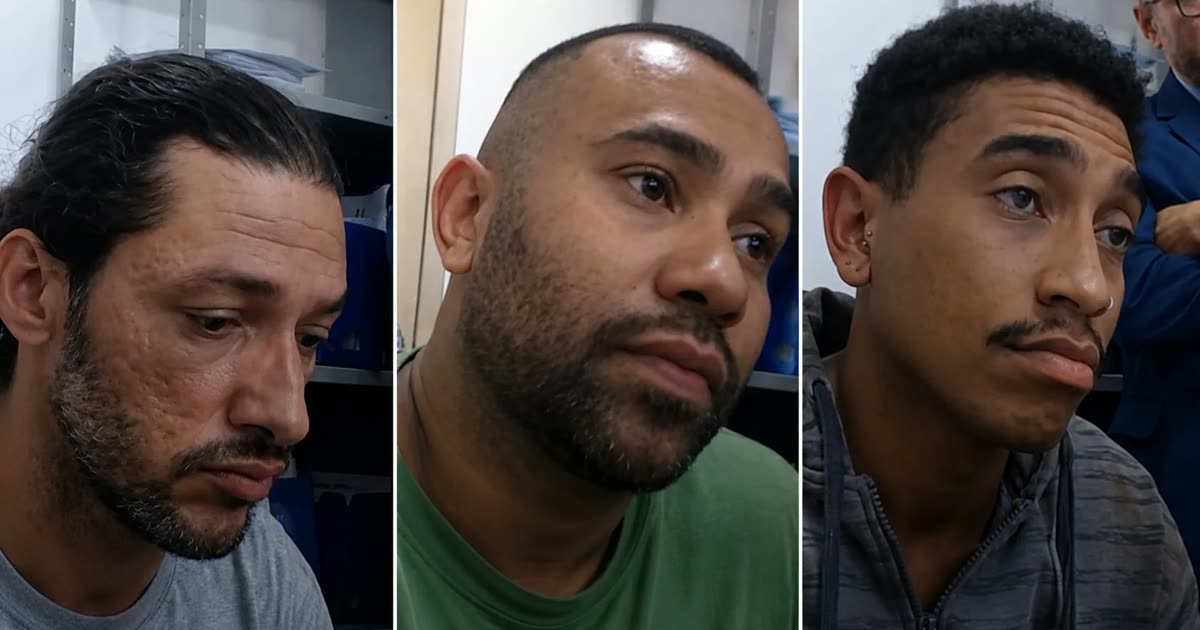
Police later arrested three instructors connected to the activity: Luis Felipe Feliciano Egoroff, Vitor de Freitas Gonçalves, and Maicon Fernandes Cintra. They have been charged in connection with Maria’s death as investigators examine how such a basic safety step was missed.

What has drawn even more anger is what the men reportedly told investigators afterward. According to police, the instructors said they could not remember who was supposed to attach Maria’s rope or who was responsible for checking it.
That answer has become one of the most disturbing details in the case. In an activity where one missed step can cost a life, authorities say no one in the group was able to clearly explain who had the final responsibility for securing her.
Investigators said the men also could not say whether someone forgot to attach the rope or whether someone failed to verify it before the jump. But police made one point clear: the rope was not attached to Maria when she was launched.
Two of the instructors reportedly fled the scene after the fall. According to reports, they were later located in a wooded area with the help of a military helicopter.
Some reports also said workers changed clothes after the incident before leaving the area. That detail has added to public outrage as people question why anyone connected to the jump would leave instead of remaining fully available to investigators.
The operation itself is also under scrutiny. Authorities have said the rope-jumping activity was unauthorized, raising new questions about how long the site had been used for extreme sports without proper oversight.
The Skeleton Bridge had already been known as a dangerous location. After Maria’s death, officials announced plans to demolish the abandoned bridge to prevent more tragedies, while also reinstalling barriers around the structure as the process moves forward.
Maria was buried on June 15, just days after posting from the jump site and sharing her excitement online. She had been described as an aspiring physical education teacher with a future that was still unfolding.
Her family and the public are now left with the same painful question: how could three instructors prepare a young woman for a dangerous jump and still allow the most important safety step to be missed?
For investigators, the case now centers on responsibility. For Maria Eduarda’s loved ones, it is about a young life lost after a preventable failure, followed by answers that have only made the tragedy harder to accept.