
Sunny Hostin is facing public backlash after reports revealed that she is legally representing her son, Gabriel Hostin, following a trespassing citation in New Rochelle, New York.
The situation has sparked debate because Hostin is not only a co-host on The View, but also a former federal prosecutor and attorney. Her decision to ask prosecutors to dismiss the citation has led critics to accuse her of using influence and status to protect her son from consequences.
Gabriel Hostin, 24, was reportedly cited on June 16 after being found in a restricted area connected to active Metro-North railroad tracks. The citation did not involve an arrest, and the case is scheduled to continue in New Rochelle City Court.
According to public reports, Gabriel was jogging in the area when he entered what he believed was a gravel incline that could be used for hill training. Sunny later argued that the entrance gates were open and that the no-trespassing sign was not visible to him when he entered.
In a letter to prosecutors, Hostin described the incident as an honest mistake. She argued that her son had no intention of trespassing and believed the area was accessible because the gate was open.
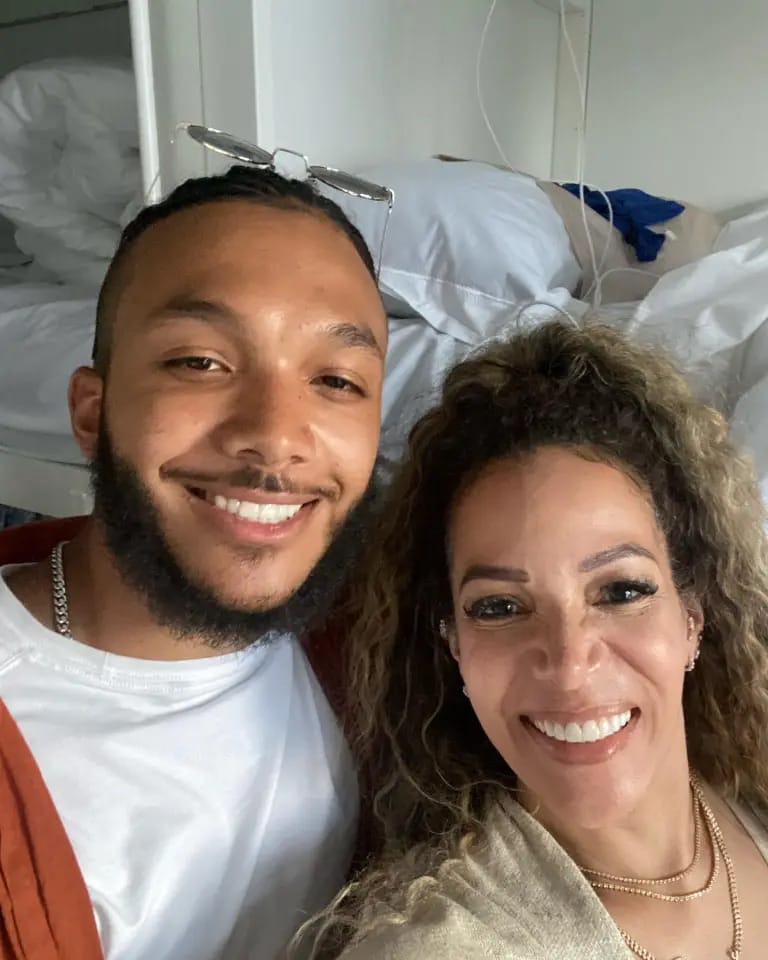
Hostin also pointed to Gabriel’s background, noting that he is a Harvard graduate with no criminal history. She argued that moving forward with the case would not serve justice or the public interest.
That part of her argument quickly became one of the most discussed details. Critics said mentioning his elite education and clean record made the request sound like an appeal for special treatment rather than a simple legal defense.
The controversy grew further after reports claimed Hostin referenced her public role during the police encounter. Those claims fueled accusations that she had used her celebrity status to pressure officers or influence the situation.
Hostin has not publicly given a detailed response to every claim surrounding the encounter. However, her legal argument has focused on the facts of the citation itself, including the open gate, the allegedly unclear signage, and her son’s lack of intent.
Supporters argue that asking for dismissal of a minor citation is not unusual, especially when the person has no prior record and the defense is based on a misunderstanding. They say the case is receiving more attention only because Hostin is famous.
Others disagree, saying ordinary people may not have the same access, legal knowledge, or public influence when facing even minor legal trouble. That is why the phrase “celebrity privilege” has become central to the debate.
The case also touches on a broader question about fairness in the legal system. When a public figure steps in to defend a family member, even as an attorney, the public often questions whether the person is simply doing what any lawyer would do or using fame to gain an advantage.
For Hostin, the criticism is especially sharp because she regularly discusses legal and social issues on television. Her background as a former prosecutor means many viewers already expect her to understand how her actions may be perceived.
At the same time, being a lawyer does not prevent her from representing her own son. The question is not whether she can defend him, but whether the way the defense was presented gave the appearance of special privilege.
Gabriel’s next court appearance is expected later this month. Until then, the public debate is likely to continue, especially because the case has become larger than the citation itself.
What began as a minor trespassing violation has now turned into a conversation about influence, parenting, public image, and the difference between legal advocacy and preferential treatment.
Whether the court ultimately dismisses the citation or allows the case to move forward, the controversy has already placed Sunny Hostin under scrutiny.
For now, Hostin maintains that her son made an honest mistake while jogging. Critics, however, continue to argue that the request for dismissal reflects the kind of access and influence most people do not have.
The case remains legally small, but publicly significant. It has become another example of how quickly a private family matter involving a public figure can turn into a national debate about fairness and celebrity privilege.
This article was prepared using public reports, court-related details, and recent coverage of the trespassing citation debate.