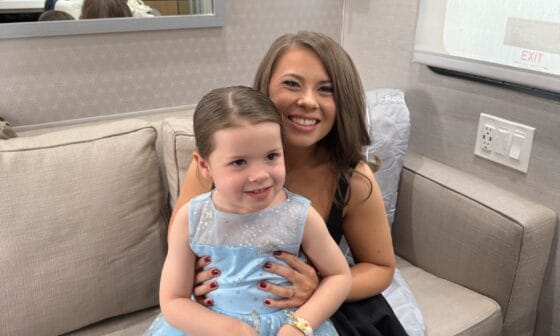
Garth Brooks’ youngest daughter, Allie Colleen, has spoken out after facing criticism over the unusual way she chose to honor Dolly Parton following the country legend’s de@th at age 80.
The 30-year-old singer-songwriter shared a message shortly after Dolly’s passing that was intended to express sympathy for those who knew the superstar personally. However, one particular part of the tribute quickly became the focus of attention online.
Allie began her message by reflecting on something she described as one of her greatest fears: eventually losing her own father, Garth Brooks, and then watching millions of people publicly mourn someone they knew as a celebrity but whom she knew simply as her dad.
She then turned her attention to Dolly’s relatives and closest friends, offering her condolences and acknowledging how extraordinary it must have been to personally love someone whose life became so important to millions of strangers.
Her apparent intention was to recognize the difference between grieving a famous performer and grieving someone who was actually part of your family.
But not everyone interpreted the message that way.
Some followers felt that mentioning Garth Brooks in a tribute to Dolly made the post feel unnecessarily centered on Allie and her own family. Others said they understood what she was trying to express but believed the timing and wording made the message easy to misunderstand.
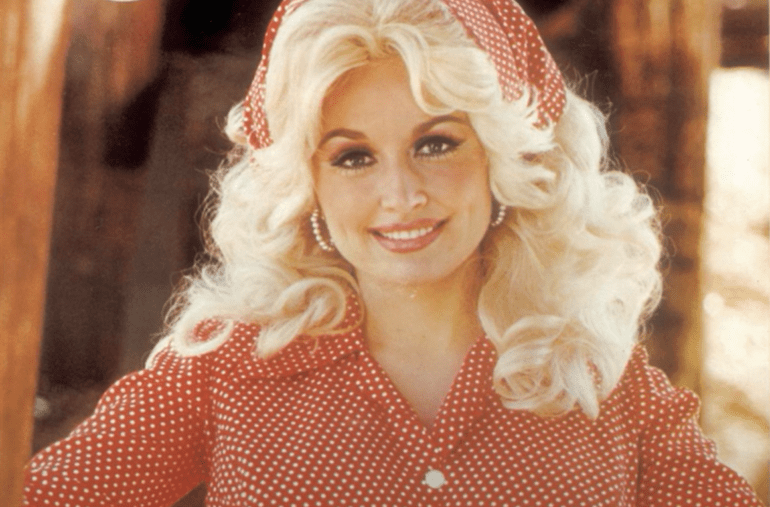
The criticism soon became strong enough that Allie began responding.
When one follower suggested that people who have already lost their fathers would understand the pain she might someday experience, Allie disagreed with the comparison.
Her point was that while people can understand the general pain of losing a parent, nobody else would have exactly the same relationship with her father that she does.
That response, however, created another argument.
Some followers interpreted it as suggesting that other people could not understand grief simply because their fathers were not famous. Others argued that grief is deeply personal but still contains emotions that people who have experienced similar losses can understand.
Allie responded again when another commenter questioned whether her original message was suggesting that fans should not mourn Dolly.
She clarified that she was not trying to tell anyone how they should grieve.
Instead, she explained that she was speaking from her own experience of growing up with an extremely famous parent and thinking about what it must be like for Dolly’s family to watch an enormous public wave of mourning for someone they knew in a completely different way.
The controversy grew further after Allie revealed that she had been contacted for comment about the backlash.
Her reaction showed that she was surprised by how negatively some people had interpreted the post, questioning why so many people were angry with her.
But that did not completely settle the disagreement.
Some commenters continued arguing that even if Allie’s intentions were compassionate, opening a tribute to Dolly by talking about the future de@th of her own father distracted from the person the post was supposed to honor.
Others came to Allie’s defense, saying they understood the larger point she was attempting to make.
Among those supporting her was Mackenzie Lynn Adkins, the daughter of Trace Adkins, who indicated that Allie’s fear was something she could understand as another daughter of a famous country singer.
Allie responded warmly, suggesting that their unusual experiences as children of famous performers gave them a shared understanding of that particular fear.
The exchange highlighted a complicated part of celebrity grief that fans rarely see.
When a universally loved entertainer passes away, millions of people can genuinely feel sadness because that person’s music, films or public personality became connected to important moments in their own lives.
But for relatives, the loss is completely different.
Behind the famous name is a parent, sibling, aunt, friend or loved one whose private personality and everyday presence may have little to do with the public image known by millions.
That appears to have been the distinction Allie was attempting to make.
Still, the reaction demonstrates how easily deeply personal thoughts about grief can be interpreted differently when they are shared publicly — particularly during an emotionally sensitive moment.
Allie herself is no stranger to country music.
The youngest daughter of Garth Brooks and his former wife Sandy Mahl, she has pursued her own career as a singer-songwriter and released her debut album “Stones” in 2021. She has also previously spoken about wanting to establish an identity in music separate from simply being known as Garth Brooks’ daughter.
Her father has also been honoring Dolly in his own way.
Garth Brooks and Trisha Yearwood have announced plans connected to Dolly’s legacy, including support for the childhood literacy work that became one of the most important philanthropic efforts of her life.
Meanwhile, tributes to Dolly have continued pouring in from across the entertainment world since her passing on August 25.
Artists, friends and fans have remembered not only her enormous musical career but also the humor, generosity and kindness that helped make her one of the rare entertainers loved across generations.
Allie Colleen’s message was apparently meant to acknowledge the people experiencing Dolly’s loss in the most personal way possible.
Instead, it unexpectedly became part of a much larger discussion about who gets to grieve a public figure, whether grief can truly be compared, and how easily a well-intentioned tribute can be misunderstood when emotions are already running high.