“The Voice” is preparing to celebrate a major television milestone, but Season 30 will not simply follow the same formula viewers have seen in recent years. NBC has confirmed a revamped fall schedule, an expanded opening week, a four-Coach panel featuring two newcomers, and changes to the competition that should make the new season feel significantly different from its immediate predecessor.
The milestone season officially premieres Monday, September 21, 2026, on NBC. The opening episode will run for two hours, beginning at 8 p.m. ET, and will launch the Blind Auditions as another group of singers attempts to convince the Coaches to turn their famous red chairs. Episodes will also be available to stream on Peacock after their NBC broadcasts.
But viewers will not have to wait an entire week for the second episode. NBC is giving Season 30 an unusually packed three-night premiere event. After Monday’s two-hour opener, another episode will air Tuesday, September 22, from 8 to 9 p.m. ET, followed by a third episode Wednesday, September 23, from 8 to 9 p.m. ET.
That means fans will receive four hours of “The Voice” during the first three nights of the season. The first three installments are all scheduled to feature the Blind Auditions, allowing NBC to introduce the new Artists and establish the chemistry—and competition—between this season’s Coaches almost immediately.
After that opening-week burst, however, the schedule becomes more complicated. NBC’s fall programming commitments, particularly its NBA coverage, will affect how “The Voice” is scheduled later in the season. Reporting surrounding NBC’s fall plans indicates that the series will occupy longer Monday-night blocks earlier in the fall before shifting to shorter episodes later in the season.
Current episode listings reinforce that change. After several Monday-and-Tuesday dates earlier in the season, listings show the competition settling primarily into Monday broadcasts during November, with hour-long episodes scheduled on November 2, 9, 16, 23 and 30. Additional episodes are currently listed for December 7, December 8 and December 14.
The scheduling adjustment is noteworthy because “The Voice” has historically relied heavily on multiple weekly broadcasts, particularly as contestants progress deeper into the competition. Season 30 will therefore have to balance its milestone celebration with NBC’s increasingly crowded fall sports and entertainment schedule.
The format itself is also changing. Season 29, officially titled “The Voice: Battle of Champions,” was an unusually condensed edition featuring Kelly Clarkson, Adam Levine and John Legend. Season 30 moves back to four Coaches, restoring the familiar four-chair configuration that has defined most eras of the competition.
Clarkson and Levine will both return, giving the panel two highly experienced Coaches. Levine was part of the original coaching lineup when “The Voice” debuted in the United States in 2011, while Clarkson has established an impressive record of success during her various seasons in the red chair.
Sitting alongside them will be two first-time Coaches: Queen Latifah and Riley Green. Queen Latifah brings decades of experience spanning hip-hop, R&B, acting, television and film, while Green adds a contemporary country perspective to the panel. Their arrival gives Season 30 a combination of established “Voice” veterans and personalities who have never previously competed as Coaches.
Early comments from the four suggest their chemistry developed quickly. Levine, Clarkson, Latifah and Green have spoken positively about working together, while longtime host Carson Daly has indicated that the dynamic reminds him of some of the playful competition that helped establish the show’s identity in its earlier seasons.
Green could be particularly interesting to watch because his musical choices may extend beyond the country Artists viewers might naturally expect him to pursue. Although country music made him famous, he has discussed having broader musical influences, potentially setting up unexpected battles with Clarkson, Levine and Latifah when talented singers appear during the Blind Auditions.
Season 30 is also introducing another significant competition wrinkle: the First-In Button. The feature will be available during the Blind Auditions and is designed to add another strategic element to the Coaches’ efforts to build their teams. The official description for the September 21 premiere specifically confirms that the new button will be in play and will shake up the competition.
The addition is important because the Blind Auditions are traditionally built around the Artist having the final choice when multiple Coaches turn their chairs. New advantages can alter that familiar dynamic and force Coaches to think more strategically about when and how aggressively they pursue a contestant.
Season 30 will also restore something many longtime viewers consider fundamental to “The Voice”: a substantial live portion of the competition. Executive producer Audrey Morrissey has said the milestone season will include six weeks of live shows, a notable departure from Season 29’s entirely pre-recorded approach. That return means viewers will once again play a much larger role in determining which Artists survive the later stages.
The audience participation will come with another twist. Rather than relying exclusively on an overnight voting window, the new season is expected to incorporate real-time voting during the live broadcasts. That creates a more immediate relationship between a contestant’s performance and the audience decision that follows, potentially making the closing weeks considerably more unpredictable.
Season 30 therefore represents something of a reset after the experimental “Battle of Champions” edition. NBC is retaining some of the franchise’s most recognizable ingredients—the Blind Auditions, spinning chairs, experienced Coaches and live competition—while continuing to experiment with new advantages, voting mechanics and scheduling.
There is also a milestone celebration planned before the competition officially begins. A special titled “The Voice 30th Season Celebration” is scheduled for September 17, several days before the September 21 premiere. Current listings describe it as an hour-long special celebrating the program as it reaches its 30th season.
Reaching 30 seasons is particularly significant for a reality competition that began more than 15 years ago. Since its 2011 debut, “The Voice” has continuously refreshed itself by rotating superstar Coaches while maintaining the central concept of judging singers initially on their voices rather than their appearance.
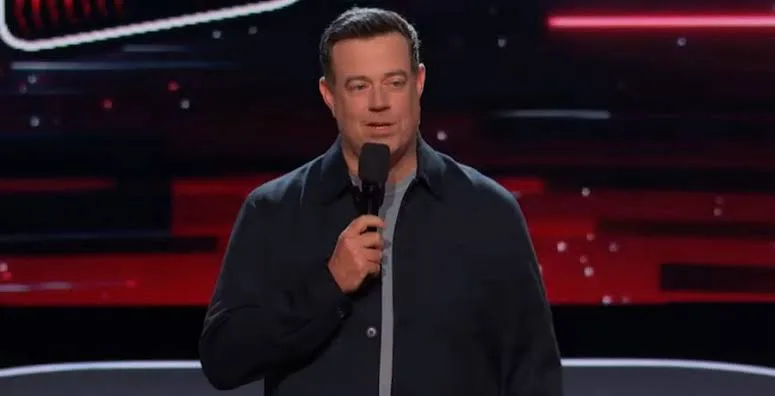
Carson Daly has been one of the constants throughout that history and will return as host for Season 30. His continued presence provides another connection between the milestone edition and the earliest days of the series, even as the coaching lineup and competitive rules continue to evolve. NBC has already announced that Season 31 will take the franchise in an even more dramatically different direction with “The Voice: Celebrity.”
One important point is that the Season 30 schedule is more nuanced than simply saying “The Voice” has moved to a new night. The season begins with an expanded three-night premiere event, then follows a changing fall schedule that includes Monday and Tuesday broadcasts at certain points before becoming more Monday-focused later in the season. Current episode listings may still be updated as NBC finalizes the later rounds.
Taken together, the changes make Season 30 one of the more ambitious editions of “The Voice” in recent years. Queen Latifah and Riley Green will bring new personalities to the Coaches’ panel, Clarkson and Levine provide familiarity, the First-In Button adds uncertainty to the Blind Auditions, and the return of extended live shows gives viewers a more direct stake in the outcome.
After 29 seasons of spinning chairs, rivalries, steals and breakout performances, “The Voice” is using its 30th season to look both backward and forward. The milestone year will celebrate the format that turned the program into one of NBC’s longest-running reality competitions, but its revised schedule, new Coaches and evolving rules make one thing clear: even after 30 seasons, producers are not finished changing the game