Kelly Clarkson’s widely discussed bird controversy has taken another unexpected turn, with neighbors connected to the incident reportedly speaking out after becoming targets of personal attacks online. What began as a disagreement involving the singer’s experience at a Brooklyn store has developed into a much larger debate about public criticism, social media reactions, and the consequences of becoming involved in a celebrity controversy.
The situation first attracted attention after Clarkson shared her frustration over an experience involving a decorative mechanical bird at a Brooklyn shop. Her account of the encounter quickly circulated online, prompting discussions about customer service, celebrity expectations, and whether the situation had been misunderstood.
As the story gained momentum, people connected to the business and its surrounding community found themselves drawn into the conversation. The controversy was no longer limited to Clarkson and the store, as social media users began examining comments and posts from others who had expressed opinions about the incident.
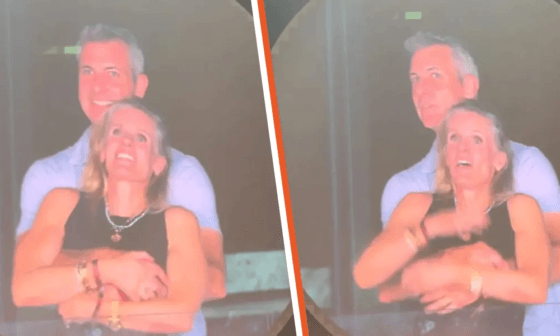
Now, attention has reportedly shifted toward neighbors who became involved in the discussion through a controversial online post. According to the circulating account, the individuals faced a wave of criticism that extended beyond disagreement with their comments and became personal.
The reported backlash has raised questions about how quickly an online disagreement can escalate when a major celebrity is involved. A post that might ordinarily attract limited attention can suddenly reach thousands of people, including users who have little knowledge of the individuals behind it.
For those caught in the middle, that level of attention can be overwhelming. Criticism of a public statement is one thing, but personal attacks directed at individuals and their families can transform an ordinary disagreement into a much more serious experience.
The neighbors’ reported response has added another perspective to the controversy. Rather than focusing exclusively on Clarkson’s original complaint, the discussion now includes concerns about whether people connected to the incident have been treated fairly by online audiences.
However, the exact wording of the neighbors’ reported statement and the disputed post has not been independently established. That distinction matters because the tone and context of an online comment can significantly affect how it is interpreted.
Meanwhile, Clarkson’s original experience continues to divide opinion. Some supporters believe the singer was justified in expressing disappointment over how the store handled her interest in the bird, arguing that customers should be able to discuss unsatisfactory experiences openly.
Others have defended the business, suggesting that the circumstances surrounding the bird and its availability may have been more complicated than the initial account suggested. Those differing interpretations have helped keep the disagreement alive.
The controversy also illustrates the unusual influence celebrities can have on small businesses and private individuals. When someone with a large following discusses a negative experience, the resulting attention can spread far beyond the original participants, sometimes affecting people who never expected to become part of a public debate.
At the same time, public attention does not automatically establish which account of an incident is correct. Different participants may remember the same encounter differently, and online reactions often develop before all the relevant information becomes available.
The latest development in Kelly Clarkson’s bird controversy shows how a relatively small disagreement can become a much larger social media dispute. With neighbors reportedly responding to personal attacks and fans continuing to debate the original incident, the story has moved beyond a simple customer-service complaint. The central question now is whether the people involved can express their perspectives without the disagreement turning into personal hostility.