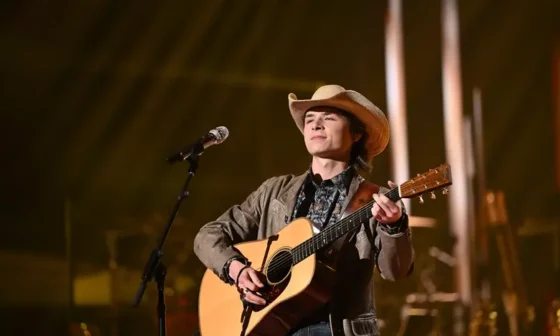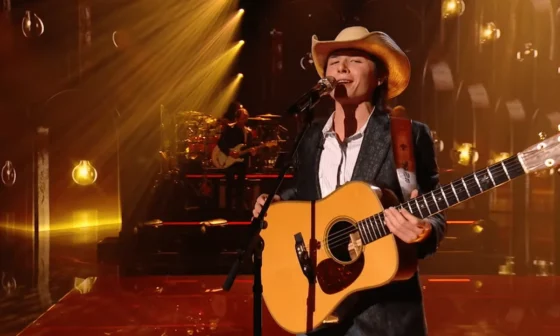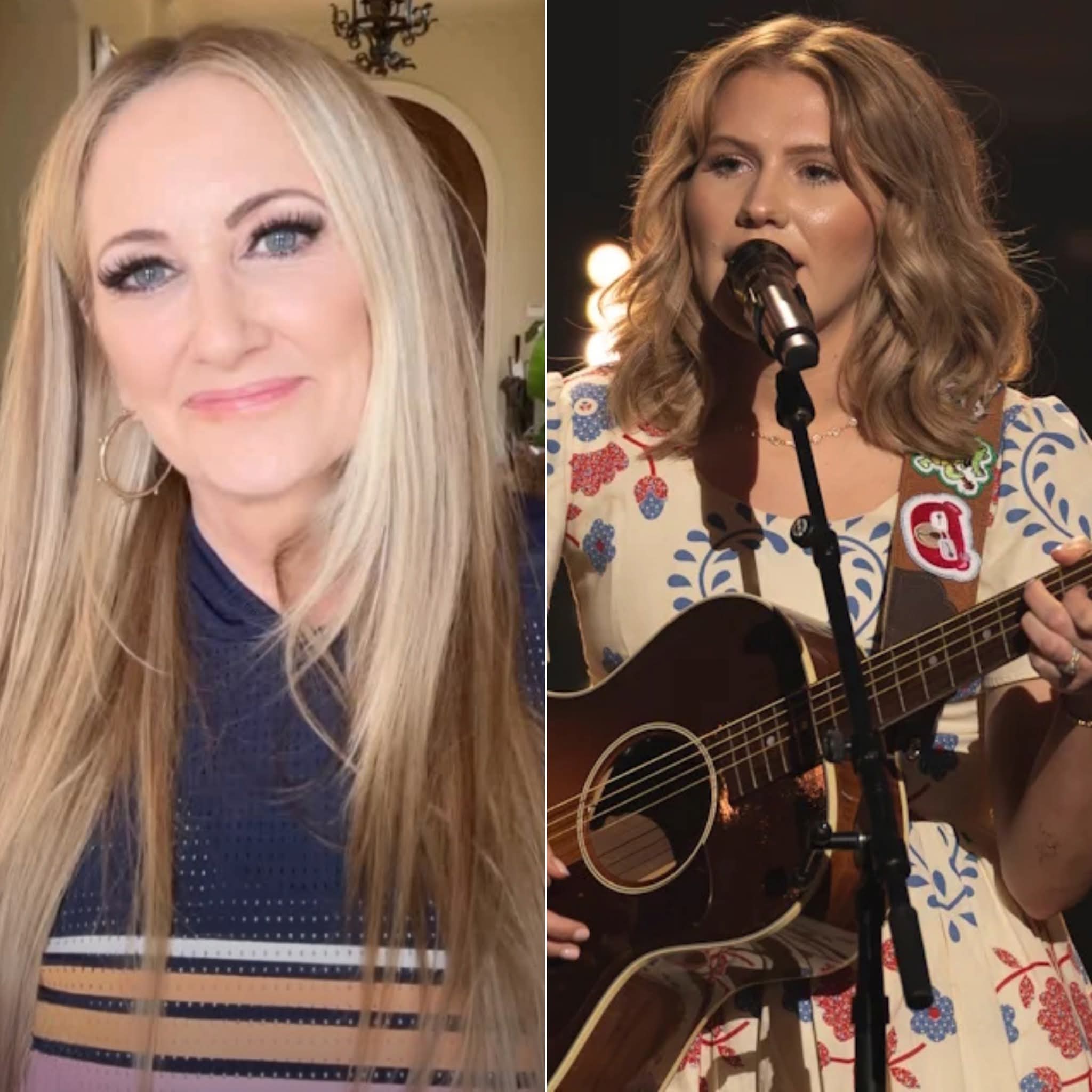
When Hannah Harper stepped up to perform “Never Again, Again,” she likely knew she was taking on a beloved country classic. What she may not have realized was just how deeply personal the moment would become for Lee Ann Womack herself.
The 1997 ballad, written by Barbie Isham, marked an important chapter in Womack’s early career. It was a song shaped by vulnerability — recorded during a time when Womack was balancing young motherhood with the uncertain climb of the music industry.
Years later, watching a 25-year-old mother reinterpret that same track stirred something unexpected.
Womack admitted that hearing Harper’s version felt like stepping into a memory she thought had long been tucked away. The emotion wasn’t just about nostalgia for a hit song — it was about revisiting a younger version of herself.
She described the performance as echoing “lick for lick,” reminiscent of how she once practiced the song alone. Long before arenas and award shows, there were quiet rehearsals — moments in bathrooms and living rooms, refining every phrase and leaning into every lyric.
That attention to detail is what struck her most.
Harper didn’t attempt to overpower the song or reshape it into something unrecognizable. Instead, she respected its structure and let the storytelling carry the weight, much like Womack had done decades earlier.
The parallel between the two women added another layer to the performance. Both navigating motherhood. Both finding space for ambition. Both channeling real-life emotion into music that speaks softly but lingers deeply.
For viewers, it was a reminder that certain songs are more than recordings. They are time capsules, holding pieces of the artist who first brought them to life.
In that moment, “Never Again, Again” wasn’t just a 90s country staple revisited on a competition stage. It became a bridge between generations — proof that heartfelt storytelling can travel through time and still land exactly where it’s needed.