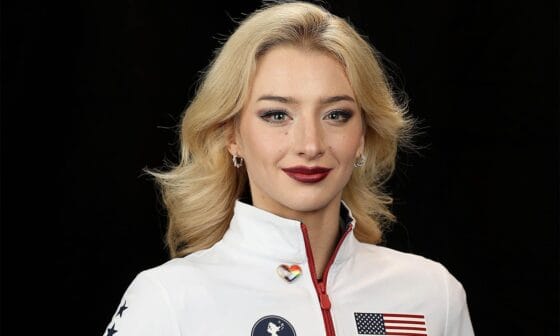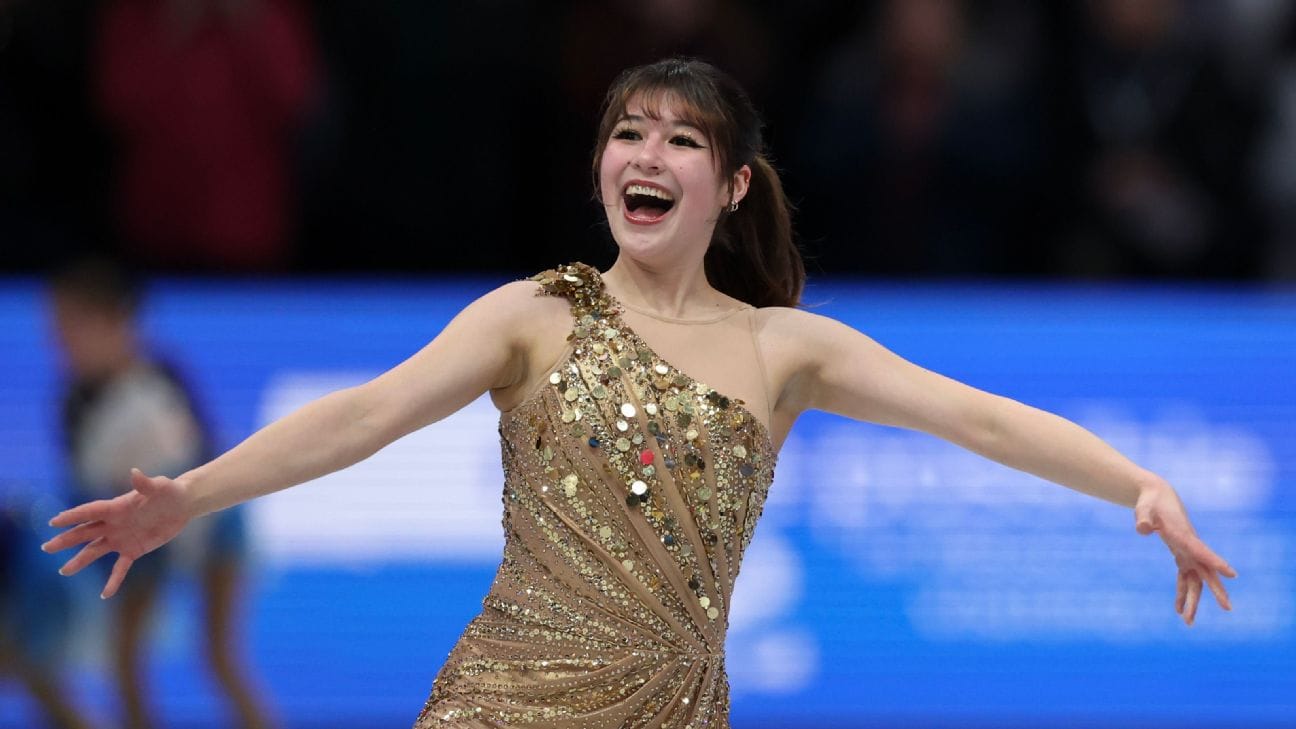
To millions of fans, Alysa Liu’s story looks like a highlight reel — fearless jumps, early titles, Olympic gold, and a smile that never seems to crack under pressure. But behind the medals and viral moments was a childhood far from typical, shaped by choices and circumstances that set her apart long before she became a household name.
Liu was raised in a family that didn’t follow a conventional blueprint. Her father, determined to build a family on his own terms, pursued surrogacy to bring Alysa and her siblings into the world — a rare and often misunderstood path at the time. From the beginning, her home life stood outside what many would call “traditional,” and that difference followed her quietly as her skating career accelerated.
While other kids were navigating school dances and weekend sleepovers, Alysa was navigating triple jumps and international competitions. Elite training schedules replaced ordinary routines. Early mornings at the rink became normal. Childhood, in many ways, revolved around the ice.
By the time she was a pre-teen, she was already competing against — and defeating — skaters years older than her. The attention came quickly. So did the expectations. Interviews, headlines, comparisons to past champions — all before she was old enough to drive.
Those close to her have hinted that the structure required to maintain that level of excellence left little room for anything else. Success was thrilling, but it also came with intensity. The world saw confidence; behind the scenes, there were sacrifices that most young athletes never have to make so early.
Then came the decision that stunned the skating world: at 16, Liu stepped away. She didn’t blame injury. She didn’t cite scandal. She simply admitted she needed space — from pressure, from the grind, from a life that had moved at Olympic speed since childhood.
For the first time, she experienced something closer to normalcy — school life, friendships, time without judges’ scores attached to every move. That pause, she later suggested, reshaped her understanding of who she was beyond the rink.
When she returned, the shift was noticeable. The skating was still bold, still technically sharp — but there was something looser, freer. She spoke openly about rediscovering joy in the sport rather than chasing validation.
Now, as details about her upbringing and early sacrifices resurface, fans are seeing a fuller picture. The “abnormal” label wasn’t about dysfunction — it was about growing up inside a system built for extraordinary outcomes, not ordinary milestones.
Her medals tell one story. Her childhood tells another — one of resilience, identity, and the quiet complexity behind a champion who had to figure out who she was long before most people even know who they are.