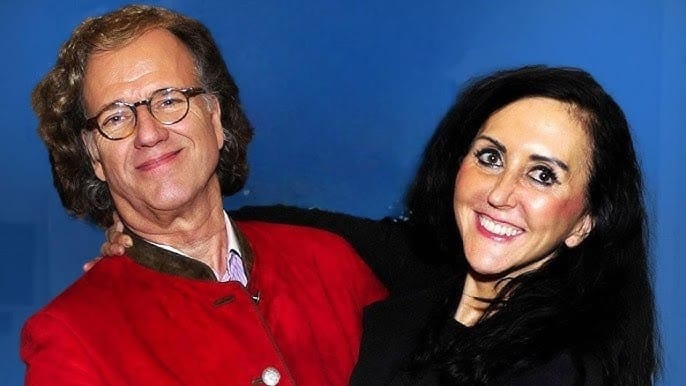
As André Rieu celebrates his 75th birthday, fans around the world are pausing to reflect on a career that has left an indelible mark on classical music. For decades, the Dutch violinist and conductor has been more than a performer—he has been a bridge, connecting tradition with modern audiences and turning concert halls into places of shared joy.
Rieu’s journey to global recognition was built on a simple but powerful belief: classical music should feel alive. While many viewed the genre as formal or distant, he saw it as emotional, romantic, and deeply human. Through grand productions and heartfelt performances, he invited people of all ages to experience classical music without intimidation.
Over the years, his vibrant orchestras and iconic waltzes have captivated millions. From open-air squares to legendary concert halls, his shows have become celebrations rather than recitals. Audiences don’t just listen—they smile, dance, and often cry, swept up by melodies that feel timeless yet accessible.
At 75, this milestone birthday has prompted André Rieu to open up more than ever before. In recent reflections, he has spoken candidly about the personal foundations that sustained his success when fame, pressure, and risk threatened to overwhelm him. Behind the grandeur, he admits, life was not always effortless.
One of the most meaningful revelations centers on his marriage. Rieu has shared that the true secret to both his career and his personal life is consistency of choice. Success, he says, is not about endless ambition, but about knowing when to return home, when to listen, and when to protect what truly matters.
He has acknowledged that there were moments of doubt, financial strain, and fear—especially when he invested everything into building his own orchestra. Those risks paid off, but not without sacrifice. What kept him steady was not applause, but purpose.
Rieu also reflects on aging with honesty and gratitude. While his passion for music remains as strong as ever, he has learned to value balance, rest, and reflection. Each performance now carries deeper meaning, less about proving something and more about sharing something genuine.
For fans, this openness has only deepened their admiration. Many see him not just as a maestro, but as a storyteller who uses music to remind people of beauty, love, and connection in a fast-changing world. His authenticity has become as important as his technical brilliance.
As he looks back, Rieu expresses gratitude rather than pride. Gratitude for the audiences who trusted him, the musicians who stood by him, and a life that allowed him to spread joy through sound. Every concert, he says, still feels like a gift.
At 75, André Rieu’s legacy is unmistakable. He didn’t just popularize classical music—he humanized it. And as fans celebrate this milestone, one truth stands clear: his greatest achievement isn’t just a remarkable career, but a life lived in harmony with music, love, and purpose.