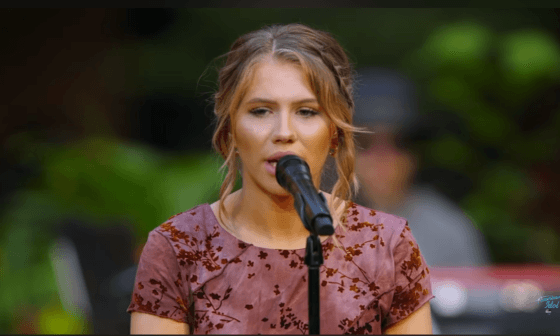
A sudden wave of controversy is surrounding Keyla Richardson after a wild online rumor began spreading during the latest episode of American Idol. What started as a few comments quickly turned into a full-blown debate, with some viewers accusing her of using her child for attention—while others are pushing back hard against the claim.
The situation escalated when fans noticed something unusual during the broadcast. Cameras appeared to repeatedly zoom in on her young son’s reactions throughout the episode, capturing emotional moments that quickly caught viewers’ attention. At first, it seemed like a sweet, humanizing detail—but for some, it raised questions.
Things intensified when comparisons started being made online. Viewers pointed out that Keyla’s son appeared to receive more screen time than eliminated contestants like Julian Kalel and Jake Puliti on the same night. That observation fueled speculation, with some suggesting that production choices may have played a role in shaping the narrative.
The rumor quickly spiraled, with critics claiming that the focus on her child was intentional. Some went as far as to accuse her of leveraging those moments to gain sympathy or boost her presence on the show. However, there’s no confirmed evidence supporting those claims—making the situation more about perception than fact.
At the same time, a large number of fans have come to her defense. Many argue that blaming Keyla for camera decisions made by producers is unfair, pointing out that contestants have little to no control over how they are portrayed on screen. For them, the criticism says more about online culture than it does about her.
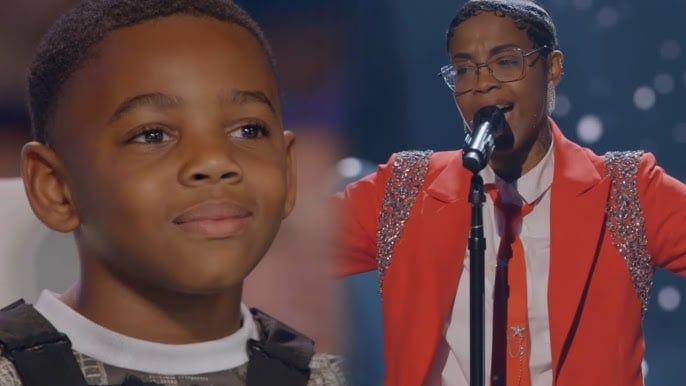
Supporters also emphasized that moments involving family are common on shows like American Idol, where personal stories often play a role in connecting with audiences. They see the reactions of her son not as a strategy, but as a genuine part of her journey—something that adds emotional depth rather than manipulation.
The debate has now grown beyond just one contestant. It’s sparked a larger conversation about how reality TV shapes narratives and how quickly audiences jump to conclusions based on edited moments. In an environment where every detail is scrutinized, even the smallest scenes can take on a life of their own.
For Keyla, the timing of this rumor adds another layer of pressure. Already navigating the demands of the competition, she now finds herself at the center of a viral controversy that has little to do with her actual performances. It’s a reminder of how quickly public opinion can shift, especially in the age of social media.
What makes this situation especially intense is how divided the audience has become. While some continue to question what they saw, others are calling for more empathy, urging people to remember that behind every contestant is a real person and a real family.
As the conversation continues to unfold, one thing is clear: this isn’t just about screen time anymore. It’s about perception, narrative, and how easily a moment meant to feel personal can be turned into something controversial. And until more clarity emerges, the debate around Keyla Richardson isn’t slowing down anytime soon.