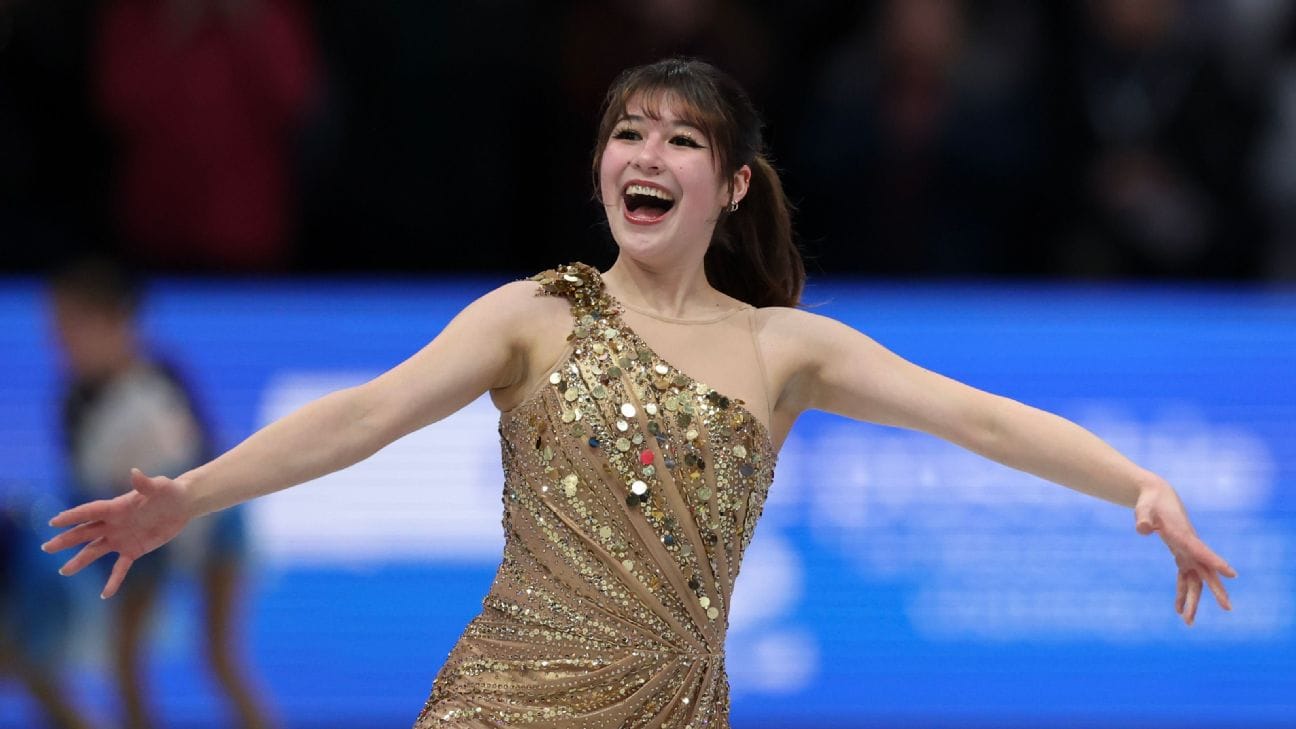
When headlines first suggested that Alysa Liu had “fired” her own father, the reaction was immediate. The phrase alone fueled speculation — tension, conflict, a fractured relationship. For a young Olympic champion whose rise had been closely tied to her father’s unwavering support, the idea sounded dramatic.
But the reality was far more nuanced.
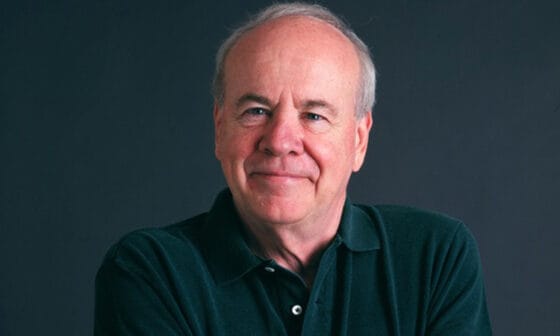
For years, Arthur Liu had worn multiple hats in his daughter’s life: parent, financial backer, and manager. He handled logistics, contracts, travel coordination, and the countless details required to sustain an elite skating career. It was a role born out of necessity in her early years, when trust and proximity mattered most.
As Alysa matured — both personally and professionally — the structure around her career began to evolve. With Olympic ambitions, major sponsorships, and increasing media attention, the need for experienced industry management became clear. That’s when the decision was made to bring in professional representation.
The shift meant her father would no longer act as her official manager.
To outsiders, it looked abrupt. To those closer to the situation, it was a practical transition. In a revealing interview, Arthur Liu acknowledged that the change was about growth, not conflict. He explained that stepping back allowed him to return to being “just Dad” — a role he said mattered more than contracts or negotiations.
The speculation about tension largely stemmed from how rare it is for a family member to relinquish control after being so deeply involved. But insiders noted that professionalizing management is common among elite athletes, especially when endorsement deals and long-term branding enter the picture.
In fact, some close to the family suggested the move may have strengthened their relationship. Removing business from the dinner table created clearer boundaries. It separated love from logistics.
Arthur has repeatedly emphasized that Alysa’s independence has always been the goal. From supporting her early training to respecting her decision to step away from skating at 16, he has framed his role as one of support — not control.
So while the phrase “fired her own father” made for a striking headline, the truth reflects something quieter: a young athlete growing into autonomy, and a father willing to step aside so she could.
Behind the whispers was not a family fracture — but a transition. And in many ways, it underscored the same theme that defines Liu’s journey: choosing her path on her own terms.