For Hannah Harper, music didn’t begin with bright lights or television cameras. Long before she appeared on American Idol, her story started in small Missouri churches where faith, family, and music were inseparable parts of everyday life.
Growing up, Harper spent weekends traveling with her family band, performing bluegrass gospel at churches across the region. The performances weren’t glamorous or commercial — they were supported mostly through “love offerings,” small donations from congregations who appreciated the music.
Those early years shaped more than just her voice. Singing in church taught Harper the emotional storytelling that would later define her performances. Gospel music demanded sincerity, and that sense of authenticity stayed with her as she grew into her own style.
Family also played a major role in building the musical foundation she carries today. With relatives performing alongside her, music became something shared rather than something pursued alone. The stage felt familiar long before she ever stepped onto a televised one.
At the same time, Harper was quietly absorbing another influence that would shape her sound: the powerful female voices of 1990s country music.
Artists like Shania Twain and Jo Dee Messina became some of her earliest musical heroes. Their bold, emotional style introduced Harper to a different side of country music — one filled with confidence, storytelling, and personality.
In the conservative environment where she grew up, openly embracing those influences sometimes felt complicated. Still, she continued listening and learning from the music that resonated with her.
Over time, those two worlds — faith-based gospel roots and the powerful sound of ’90s country — began blending into her own musical identity.
That combination is something fans often notice in her performances today. Harper’s voice carries the emotional depth of gospel storytelling while still reflecting the strong melodic style of classic country music.
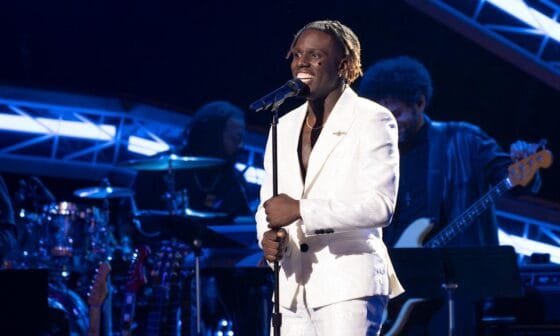
When she stepped onto the American Idol stage, those influences quietly revealed themselves. Her performances often feel grounded and personal rather than theatrical, reflecting the years she spent singing in intimate church settings.
For many viewers, that authenticity is what makes her stand out. Instead of chasing trends, Harper’s music feels connected to a tradition that stretches back through both gospel and country storytelling.
Her journey also highlights how early experiences shape an artist long before they find a national audience. The small church stages, family harmonies, and cassette tapes of ’90s country legends all played a role in forming the singer audiences see today.
And as her Idol journey continues, fans are discovering that behind the rising star is a musical blueprint built quietly over years — through faith, family, and the timeless voices that first inspired her to sing.