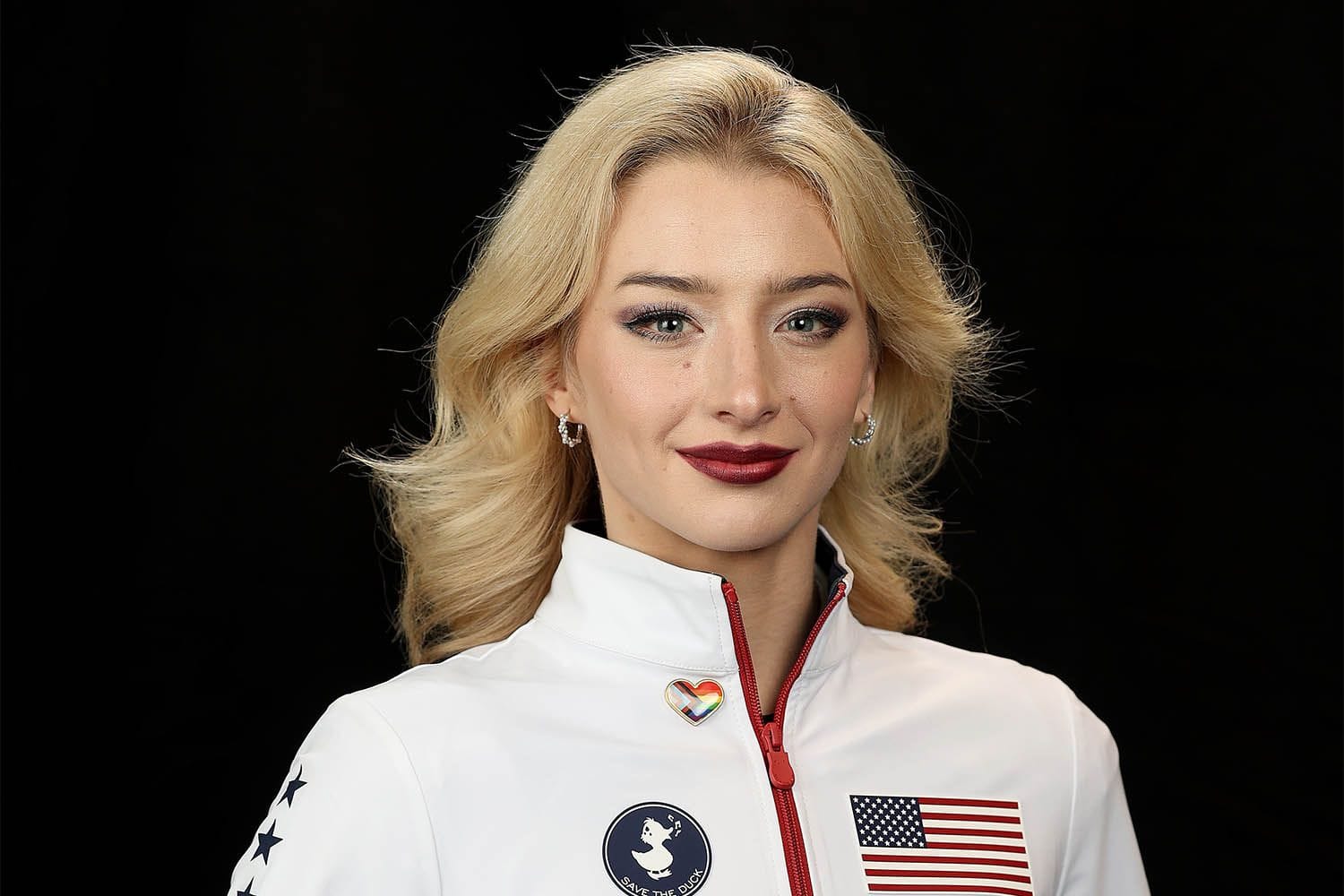
“I had it.”
Amber Glenn stepped into the women’s short program at the 2026 Winter Olympics carrying real medal expectations — and for most of her performance to “Like a Prayer,” it seemed those hopes were right on track.
Her skating was sharp, expressive, and composed. The choreography built with confidence, and the opening elements suggested she was delivering under pressure. For several moments, it looked like the routine she had trained for — the one designed to keep her firmly in podium contention.
Then came the turning point.
A missed jump was later ruled an “invalid element,” a technical decision that wiped out the entire base value of the skill. Instead of receiving reduced points, the element counted for zero — a crushing outcome in a segment where even tenths of a point can separate medalists.
When the music stopped, Glenn held her finishing pose. But as applause filled the arena, the realization began to settle in. She knew how significant that single call could be.
On the ice, her expression shifted from performance focus to visible emotion. By the time she reached the kiss-and-cry area, the weight of the moment was undeniable. Leaning into her coach’s arms, she let the disappointment show.
At the Olympic level, margins are razor-thin. One technical error — even without a fall — can dramatically reshape the standings. For Amber Glenn, it became a painful reminder that on skating’s biggest stage, a single detail can pivot a dream in an instant.