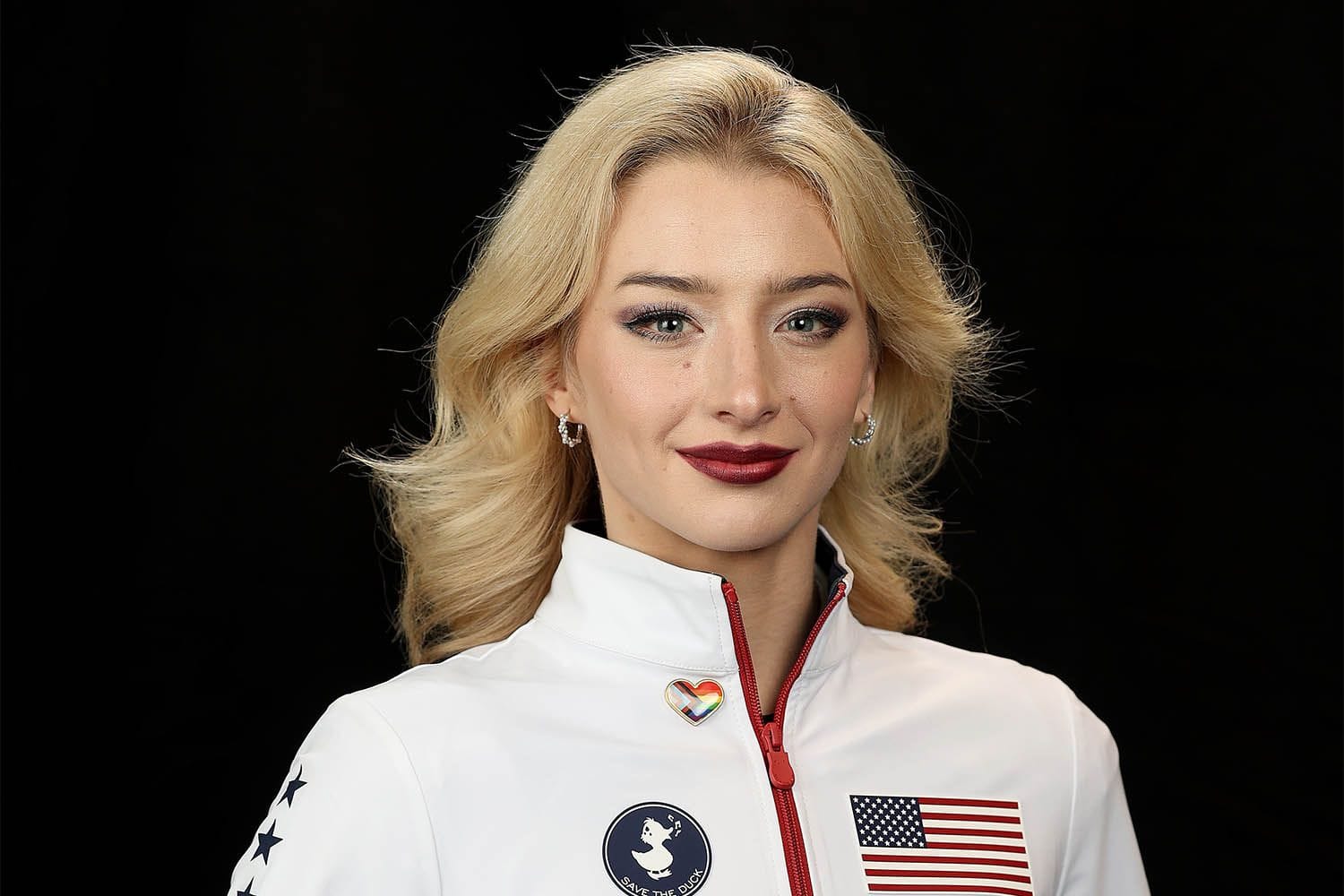
Amber Glenn arrived at the Winter Olympics carrying more than technical content and medal hopes. In the weeks leading up to the Games, the Team USA figure skater had been open about her personal beliefs, aware that speaking out could draw strong reactions. When her short program unraveled with a costly mistake that erased her podium chances, the response online was immediate — and sharply divided.
Within minutes of her skate, social media filled with commentary. While many fans expressed sympathy over the pressure and razor-thin margins of Olympic competition, others took a harsher tone. Some critics framed the mistake as “karma,” tying her athletic setback to her previously shared political views.
One particularly high-profile account with more than 3.1 million followers posted a mocking message that quickly spread across platforms. The post amplified the backlash, drawing thousands of comments and intensifying the debate. Supporters argued that celebrating an athlete’s disappointment crossed a line, while critics insisted that public figures must accept scrutiny.
The controversy highlights a growing tension in modern sports: the intersection of personal expression and global competition. Athletes today often use their platforms to share beliefs, advocate for causes, or speak candidly about issues important to them. That visibility can inspire supporters — but it can also provoke backlash from those who disagree.
Glenn had already anticipated criticism before stepping onto Olympic ice. In previous interviews, she acknowledged that sharing her views might lead to negative reactions, especially during a high-profile event watched worldwide. Even so, she chose not to retreat from her identity or perspective.
After the short program, the focus briefly shifted from technical scores to the broader cultural conversation. Was the criticism fair game in a polarized media landscape? Or did it overshadow the human reality of an athlete coping with a crushing competitive moment?
Sports analysts were quick to note that mistakes at the Olympic level are rarely about politics. A single under-rotation, edge call, or invalid element can dramatically alter standings. In Glenn’s case, the error was technical — not ideological — yet the online narrative expanded beyond the rink.
Supporters rallied in response, pushing back against the mocking tone and reminding others that Olympic athletes represent years of sacrifice and discipline. Many emphasized that disagreement over beliefs should not translate into celebration of personal failure.
The episode underscores how quickly athletic performance can become entangled with social media dynamics. In today’s digital arena, commentary travels as fast as scores are posted, and a single moment can spark global reaction.
For Glenn, the Olympic chapter now carries two parallel storylines: the on-ice mistake that cost her medal contention, and the off-ice backlash that followed. Both reflect the realities of competing — and speaking — in an era where the spotlight extends far beyond the ice.