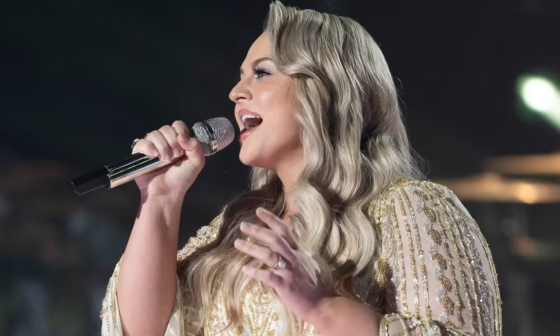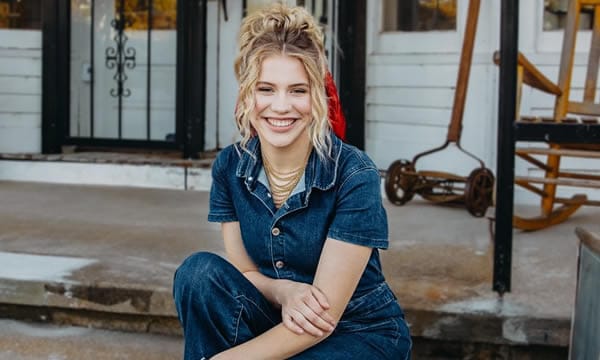
When Hannah Harper stepped onto the American Idol stage to perform Lee Ann Womack’s 90s ballad “Never Again, Again,” she wasn’t just covering a country classic — she was stepping into a deeply personal story.
For Womack, the song has always represented heartbreak wrapped in quiet strength. It was one of those tracks that didn’t rely on vocal fireworks, but on emotional honesty. So when she later reflected on Harper’s rendition, her response carried weight.
“I heard my younger self in her voice — and it took my breath away,” Womack reportedly shared after watching the performance.
The comment wasn’t framed as industry praise or polite encouragement. It was personal. Womack acknowledged that hearing her own early vulnerability echoed back through another woman’s voice felt unexpectedly moving.
Harper’s version leaned into restraint rather than power. There were no dramatic runs designed to modernize the track. Instead, she delivered it with a trembling steadiness that mirrored the song’s original ache.
Viewers noticed the shift in the room almost immediately. The usual Idol stage energy softened. Judges leaned forward. The audience grew still. It became less about competition and more about connection.
Womack’s reaction stood out because artists are often protective of signature songs. Classics carry legacy. They’re tied to career-defining moments. But rather than guarding it, Womack embraced the reinterpretation.
She described herself as a fan of Harper’s take, praising the authenticity that made the performance resonate beyond nostalgia.
Fans online echoed that sentiment. Many said Harper didn’t just sing the lyrics — she seemed to understand them. For a song rooted in resilience after heartbreak, that understanding mattered.
In a season filled with big notes and bold risks, this moment stood apart for its simplicity. It reminded viewers that sometimes the most powerful performances aren’t about reinvention — they’re about recognition.
And for those who watched it unfold, Womack’s words only deepened the impact: a full-circle moment where one generation’s vulnerability found new life in another’s voice.