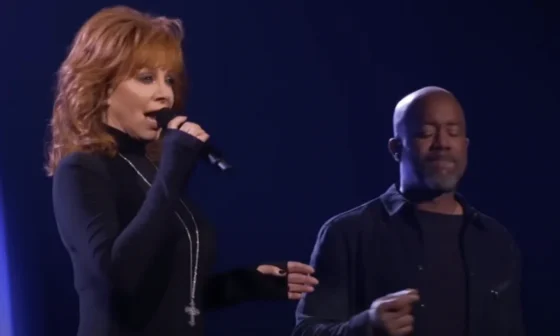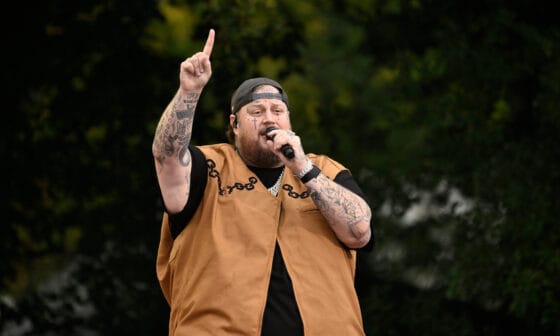
According to what Mor has spoken about on television and in interviews, the tragedy fractured his early childhood and led to him being raised primarily by his grandmother. She became his steady source of support and encouragement, especially when he began showing interest in music.
For years, the details of his mother’s death were not widely known. When he appeared on earlier shows, he referenced family hardship but did not always go into specifics. It wasn’t until his emotional performance of his original song “Strong” on American Idol that many viewers learned the fuller context.
Mor has explained that music became his outlet for processing grief he carried for most of his life. Writing “Strong” was not just about resilience in a general sense — it was about surviving something that reshaped his family forever.
He has also been careful to speak about the topic respectfully, focusing more on honoring his mother’s memory than revisiting painful specifics. His goal, he has said, is to shed light on the impact of domestic violence while keeping the emphasis on healing.
The tragedy is not presented as a headline in his story, but as part of the foundation that shaped who he is. Fans who discovered this background after his Idol performance began to understand why the emotion in his voice felt so raw and lived-in.
Today, Mor often credits his grandmother’s strength and the support system around him for helping him channel pain into purpose. While the loss remains part of his history, it has also fueled the authenticity that resonates in his songwriting.
If this topic connects personally to anyone reading, support is available. In the U.S., the National Domestic Violence Hotline (1−800−799−SAFE) offers confidential assistance 24/7.