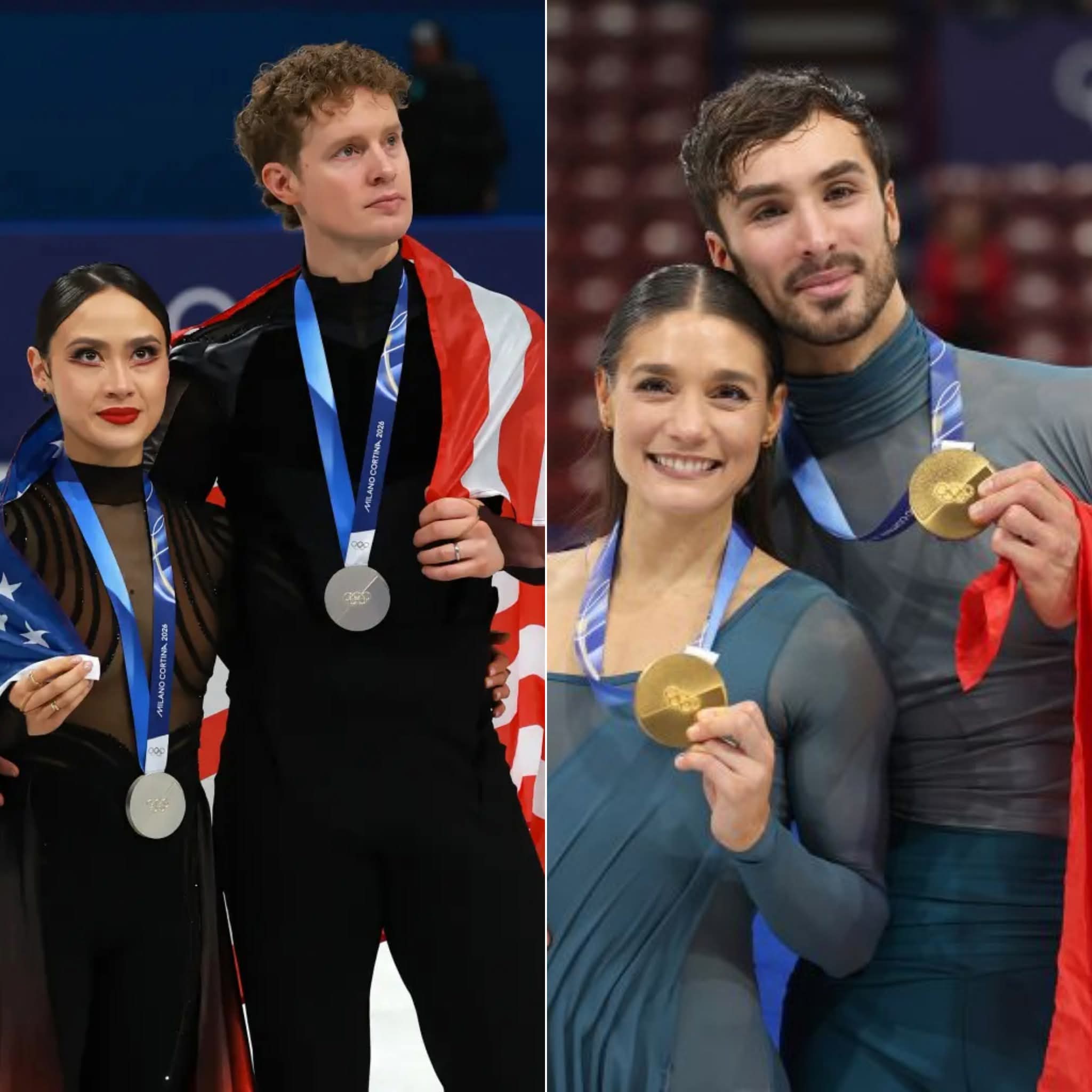
U.S. Figure Skating has officially confirmed it will not file an appeal regarding the Olympic ice dance results for Madison Chock and Evan Bates, bringing clarity to days of speculation. The announcement follows intense debate after the Americans narrowly missed gold in a scoring outcome that sparked widespread controversy.
In its explanation, the federation cited strict International Skating Union (ISU) regulations governing Olympic protests. Officials stated that appeals are only permitted in cases involving clear technical errors, rule violations, or mathematical miscalculations — not disagreements over program component scores or judging interpretation.
According to U.S. Figure Skating, a full review of the protocols revealed no technical miscalls significant enough to justify a formal challenge. Without procedural grounds, any appeal would almost certainly be denied. Filing one regardless, officials suggested, could undermine credibility and distract from the athletes’ performance.
The statement emphasized respect for the judging system while acknowledging the emotional reaction from fans. “We understand the passion surrounding this result,” the federation noted, adding that it remains committed to ongoing dialogue about scoring transparency within the sport.
However, one specific detail in the explanation has quietly stirred mixed emotions.
U.S. Figure Skating revealed that it conducted internal consultations with technical experts and legal advisors before deciding against an appeal — and concluded that the score differential in question fell within acceptable judging variance under ISU guidelines. For some fans, that phrasing felt procedural. For others, it felt like an acceptance of a broader issue within the system itself.
The acknowledgment that such wide scoring gaps can exist “within guidelines” has reignited concerns about subjectivity in ice dance. Supporters of Chock and Bates argue that while rules may have been followed, the optics of the disparity remain troubling.
At the same time, others have praised the federation’s restraint. Appeals without solid legal footing rarely succeed and can strain international relationships. By choosing not to escalate the matter publicly, U.S. Figure Skating may be signaling a longer-term strategy focused on policy discussions rather than symbolic protest.
Chock and Bates have remained composed throughout the controversy, expressing pride in their Olympic skate and gratitude for fan support. Their professionalism has helped steady the narrative, even as debate continues online.
Ultimately, the decision closes the door on a formal challenge — but not on the conversation. For many fans watching closely, the result may stand on paper, yet questions about scoring consistency continue to linger beneath the surface.