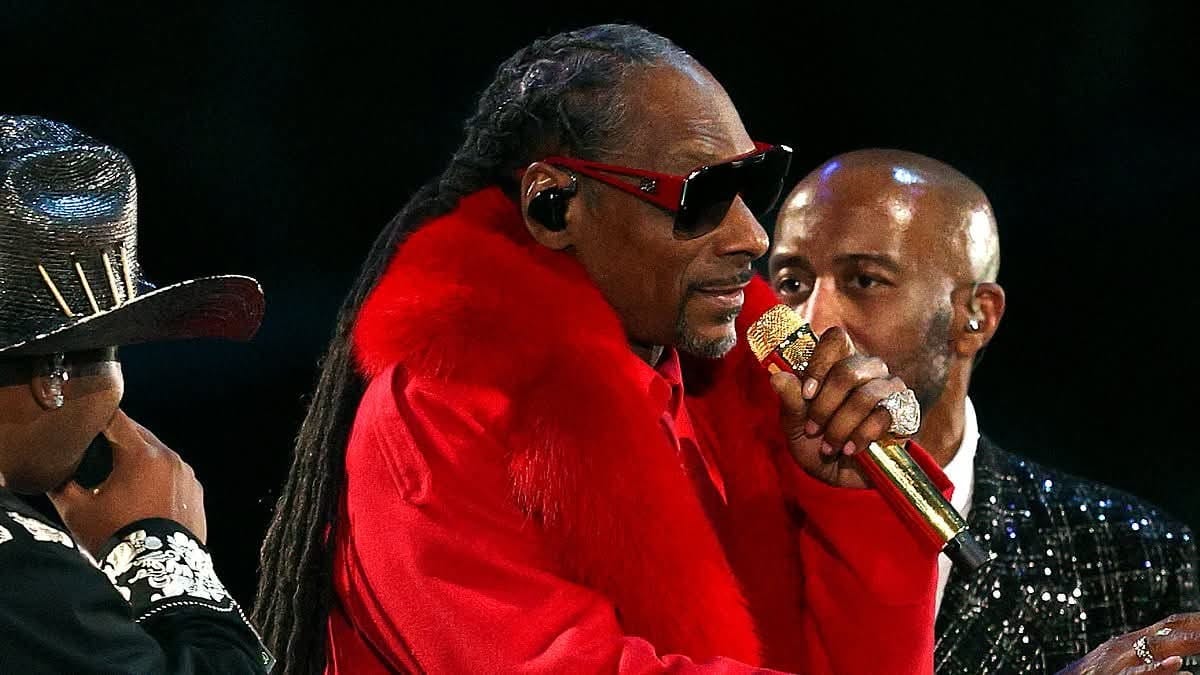
In a development few saw coming, Snoop Dogg is no longer making moves alone. The music icon has officially been joined by longtime collaborator and lifestyle mogul Martha Stewart in aligning with Swansea City AFC, creating one of the most unexpected partnerships modern football has seen.
What began years ago as an unlikely friendship built on chemistry, humor, and mutual respect has now evolved into a serious sports investment. The announcement sent shockwaves across social media, leaving football supporters and pop-culture observers alike scrambling to understand how — and why — this pairing has entered the world of club ownership.
While the names alone sparked disbelief, insiders insist this is far from a novelty stunt. Behind the scenes, the move is being described as a calculated power play aimed at transforming Swansea City’s global footprint. The club, rich in history but modest in international visibility, suddenly finds itself connected to two figures with unparalleled reach beyond traditional football audiences.
Snoop Dogg brings cultural gravity that transcends music. His influence spans entertainment, fashion, youth culture, and global media — audiences football clubs rarely reach organically. Martha Stewart, meanwhile, brings decades of business expertise, brand discipline, and strategic precision. Together, they form a blend of visibility and structure rarely seen in sports ownership.
Sources close to the situation suggest early conversations have focused on branding, international expansion, and long-term positioning rather than short-term spectacle. The goal appears to be reimagining how a football club can exist as a global lifestyle brand without losing its sporting identity.
Fan reaction has been mixed and intense. Some supporters are stunned, others openly skeptical, and many cautiously excited. Traditionalists question what celebrity ownership means for the soul of a club, while optimists see an opportunity for growth, relevance, and resources rarely available at Swansea’s level.
What’s undeniable is that this partnership signals a shift. Football ownership is no longer confined to billionaires operating quietly in the background. It is becoming visible, cultural, and narrative-driven — shaped as much by influence and audience as by balance sheets.
This move isn’t just about Swansea City. It’s about the direction modern sport is heading. The lines between entertainment, branding, and competition are blurring faster than ever, and this alliance sits squarely at that intersection.
This isn’t just football anymore.
It’s visibility.
It’s power.
And it’s a bold rewrite of what ownership can look like in the modern game.