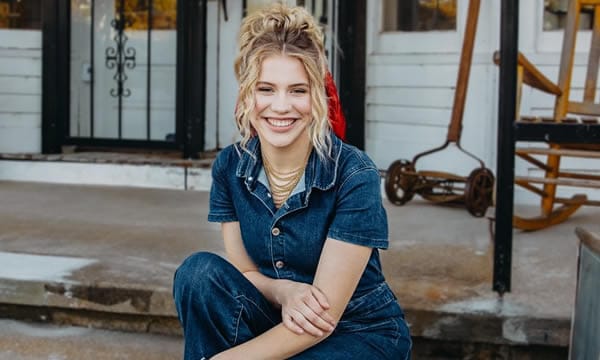
It was one of those rare moments when the stage lights felt secondary to the emotion unfolding beneath them. When Hannah Harper performed her original song “String Cheese” on American Idol, the room didn’t just listen — it felt.
But what truly stunned viewers was the reaction from Lauren Alaina.
As Harper sang — at one point holding her baby boy, Beni Doll — the performance took on an even deeper layer of vulnerability. The image of a young mother balancing music and motherhood while delivering lyrics born from postpartum depression created an atmosphere that was impossible to ignore.
From the first verse, Harper’s voice carried raw honesty. There were no dramatic vocal tricks, no polished theatrics. Instead, she leaned into storytelling, letting each lyric reflect sleepless nights, quiet doubts, and fierce maternal love. It felt less like a performance and more like a confession set to melody.
Alaina’s reaction became one of the defining images of the night. As the song progressed, her composure visibly shifted. By the final lines, she was wiping away tears, clearly overwhelmed by the emotional weight of what she had just witnessed.
Later, Alaina shared how deeply the lyrics resonated with her — especially the themes of strength through struggle and finding identity within motherhood. For many fans watching at home, her tears mirrored their own.
Social media quickly lit up with viewers praising both Harper’s courage and Alaina’s authenticity. Many described the moment as “beautifully human,” noting that the combination of song, story, and baby in her arms created something unforgettable.
“String Cheese” has already been known as one of Harper’s most personal pieces, written during a period of emotional darkness. Seeing her perform it while physically holding her child symbolized survival — a reminder of what she endured and what she gained.
The reaction also highlighted something larger about this season of Idol: audiences are responding strongly to vulnerability. Harper’s rise hasn’t been built on flashy spectacle, but on truth — and moments like this reinforce why.
For Alaina, the tears weren’t just about a melody. They were about recognition — the shared understanding of what it means to fight through fear and come out stronger. For Harper, it was proof that her story is reaching hearts in ways she once doubted it ever could.
In the end, this wasn’t just another Idol performance. It was a reminder that sometimes music doesn’t just entertain — it connects, heals, and leaves a mark that lingers long after the final note fades.