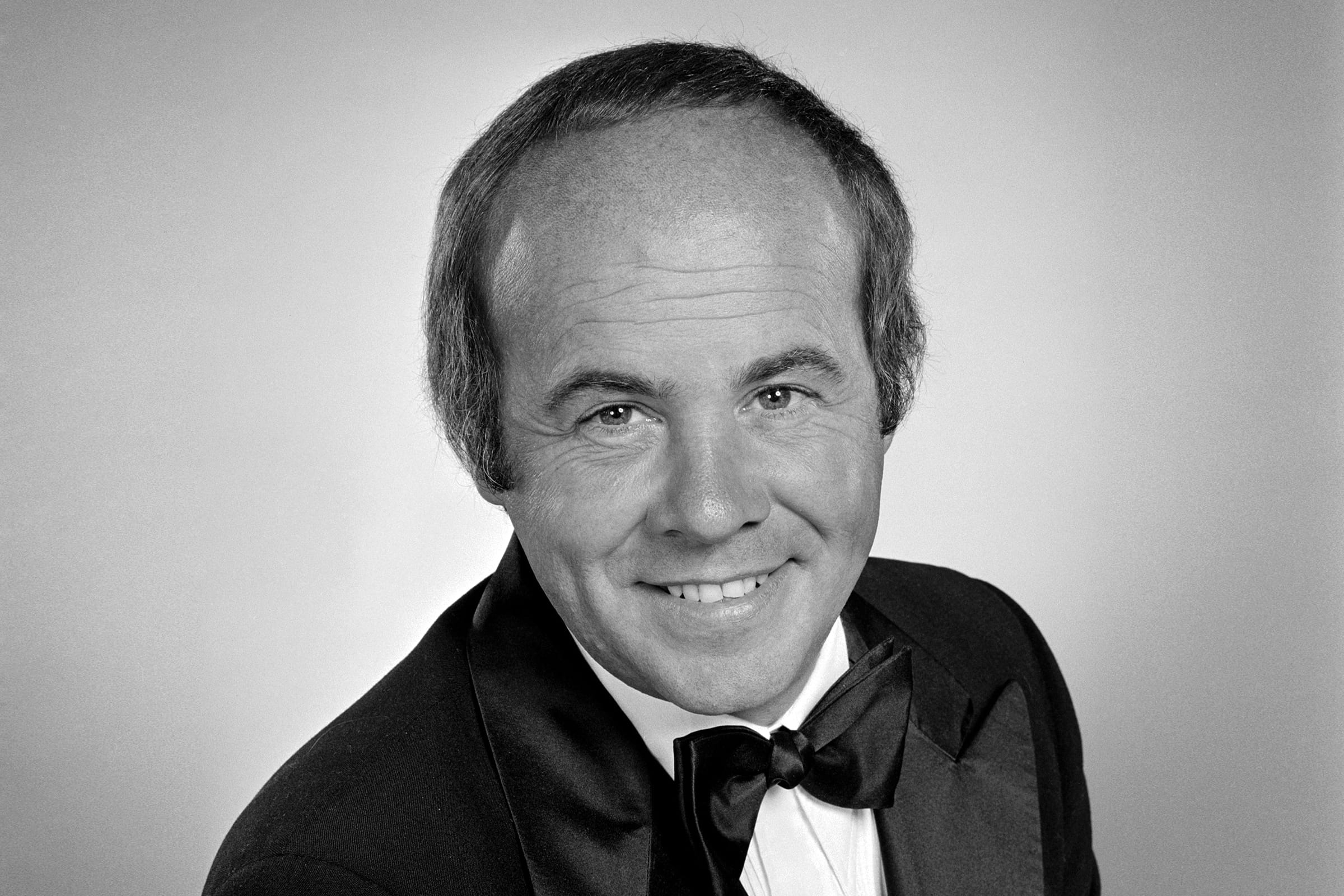
When Tim Conway stepped onto The Dating Game under the name “Milt Lucky,” no one in the studio could have predicted what was about to unfold. What should have been a lighthearted search for romance quickly transformed into a masterclass in awkward comedy, delivered with Conway’s trademark calm and impeccable timing.
From the moment he introduced himself, Conway played the role with straight-faced sincerity. There was no wink to the camera, no hint that he was setting a trap. Instead, he leaned fully into the premise, presenting himself as a shy bachelor genuinely looking for love.
As the questioning began, things took a turn. Conway’s questions were strange, oddly phrased, and just off enough to make everyone uncomfortable. Each pause lingered a beat too long. Each follow-up felt slightly unhinged. Even the cue cards seemed unprepared for where he was going.
Behind the wall, the three contestants gamely flirted back, trying to keep the energy light. But one voice stood out immediately — unusually deep, gravelly, and impossible to ignore. The contrast only heightened the tension, and the audience began to sense that something was very wrong in the best possible way.
Still, Conway never broke character. With earnest seriousness, “Milt Lucky” explained that he valued intelligence and personality over appearances. He spoke thoughtfully, as if weighing a truly meaningful decision, while the room quietly braced itself.
Then came the choice. Conway made it confidently, without hesitation, sealing his fate with polite enthusiasm. The audience buzzed with anticipation as the iconic curtain prepared to open.
When it did, the reveal detonated the room. Standing there was not the expected glamorous date, but a burly man in a wig named Turk. Laughter exploded. The host struggled to stay upright. The studio dissolved into chaos.
Through it all, Tim Conway remained serene. He smiled warmly, accepting the situation as if it were exactly what he had hoped for. That calm reaction — more than the reveal itself — sent the audience over the edge.
The moment instantly became television legend. What could have been a cheap gag instead became a perfect example of Conway’s genius: never rushing, never explaining, and never acknowledging the joke.
In the end, it wasn’t about romance at all. It was about timing, restraint, and the power of playing it straight while everything around you collapses — a reminder of why Tim Conway remains one of comedy’s most quietly dangerous minds.