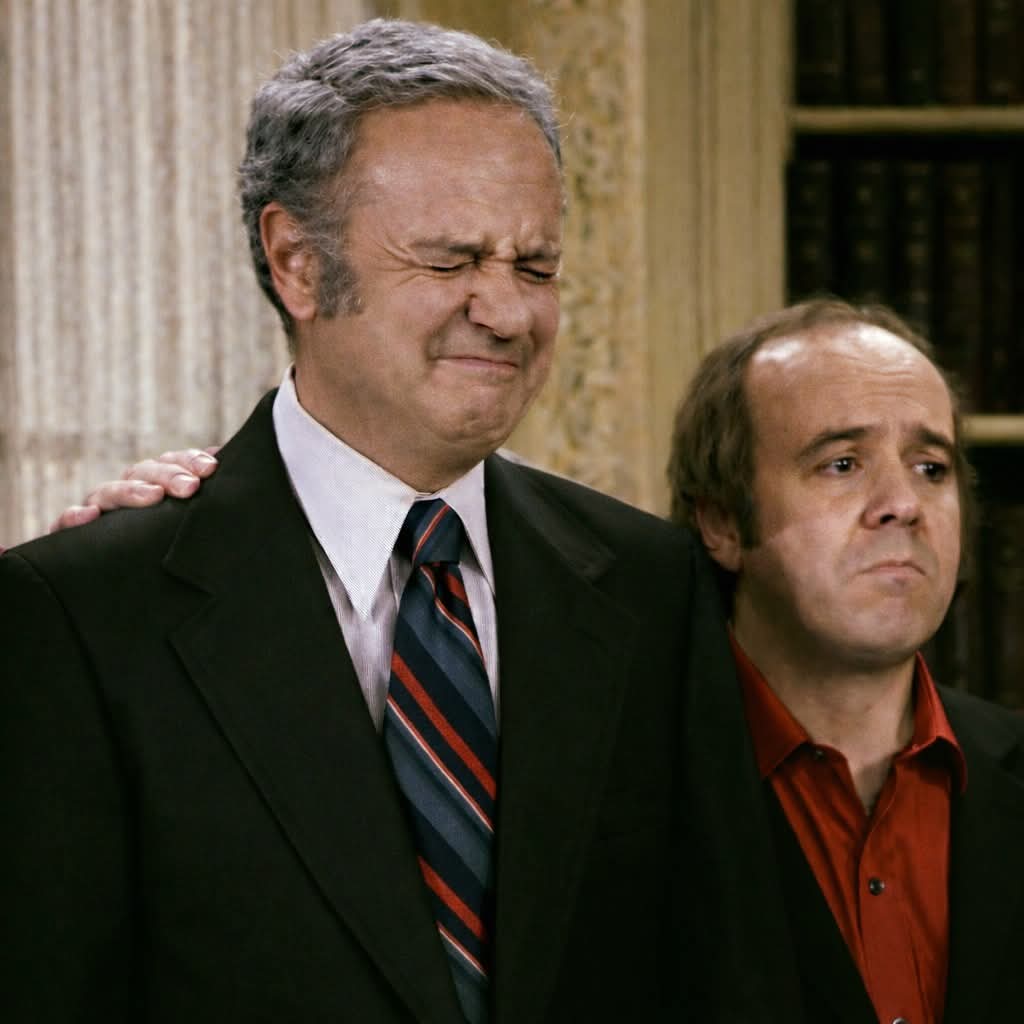
“We need this show back. We need to laugh like this again.” That’s the sentiment echoing across social media as classic clips from The Carol Burnett Show resurface and find new life online. In a world filled with fast-paced edits and rapid-fire punchlines, many viewers are rediscovering a style of comedy that feels refreshingly genuine.
At the heart of that revival is the undeniable chemistry between Carol Burnett, Tim Conway, and Harvey Korman. They weren’t just performers reading lines from a script. They were artists who trusted one another completely, allowing scenes to breathe and moments to unfold naturally. Their connection created a kind of television magic that feels rare today.
One sketch in particular has captured renewed attention: the unforgettable Hawaiian vacation scenario, often remembered as “Bringing Your Wife & Your Secretary to Hawaii.” What begins as a seemingly simple comedic setup slowly spirals into controlled chaos, powered by impeccable timing and razor-sharp reactions.
Carol Burnett anchors the scene with poise and quick instincts. Harvey Korman plays the straight man fighting to maintain composure as the situation grows increasingly absurd. Vicki Lawrence adds another layer of brilliance, reacting in ways that heighten every awkward beat and perfectly timed pause.
What makes the sketch endure isn’t flashy physical comedy or elaborate production. It’s the subtlety. The side glances. The almost-hidden smiles. The split-second moments when someone teeters on the edge of breaking character. Those tiny cracks are what make the laughter feel authentic.
Tim Conway’s presence often turned sketches into delightful unpredictability. Even when he wasn’t the focus, his quiet timing and playful mischief could shift the entire rhythm of a scene. The cast’s reactions to him—real, unscripted laughter slipping through—became part of the performance itself.
Unlike much of today’s comedy, these moments weren’t built on shock value or relentless pacing. They relied on patience. Silence wasn’t feared; it was used. The performers understood that sometimes the biggest laugh comes not from what’s said, but from when it’s said—or delayed.
That patience allowed audiences to feel included. Viewers weren’t just watching jokes; they were watching people enjoy each other. It created a shared experience, one where laughter felt communal rather than manufactured.
As these clips continue to circulate, younger generations are discovering why the show remains so beloved. It’s not simply nostalgia driving the resurgence. It’s the recognition that something sincere and joyful was captured on camera—something that doesn’t age.
In the end, the renewed love for The Carol Burnett Show is about more than revisiting the past. It’s about remembering what happens when talent, trust, and timing align perfectly. The laughter still feels real, and that may be why so many are saying we need something like it again.