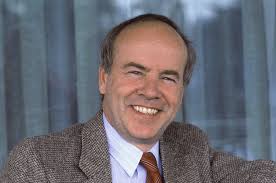
Tim Conway arrived on set determined to make a strong impression, ready to deliver his role with professionalism and restraint. For a brief moment, it seemed like another carefully scripted sketch was about to unfold as planned. Then came the monkey bite — and with it, the beginning of something nobody could control.
What followed was a slow, deliberate unraveling that only Conway could orchestrate. A few supposed “side effects” were mentioned, almost casually, and suddenly his body seemed possessed by a life of its own. He began hopping, twitching, and shrieking, racing around the apartment as if he had just escaped from the jungle itself.
The brilliance wasn’t in the chaos alone, but in Conway’s expression. Through every wild movement and ridiculous sound, his face remained perfectly straight. That deadpan commitment transformed silliness into something far more dangerous: unstoppable comedy.
Harvey Korman tried with all his might to stay serious. You could see him fighting it, clinging to professionalism as the madness escalated. But Conway knew exactly how to apply pressure — stretching moments, escalating movements, and waiting for the precise second when resistance would crumble.
Carol Burnett became an audience surrogate, clutching her chair as laughter overtook her. The more she tried to recover, the funnier it became, as if the sketch itself sensed weakness and leaned into it. Control slipped away not all at once, but piece by piece.
The apartment setting, once ordinary, turned into a playground for chaos. Furniture became obstacles, walls became boundaries to bounce off, and every inch of the space amplified Conway’s manic energy. It felt less like acting and more like a perfectly timed comedic eruption.
What made the moment unforgettable was that none of it felt forced. There were no flashy jokes or obvious punchlines. The humor lived in the commitment, the pacing, and the fearless willingness to look ridiculous without ever acknowledging it.
As the scene collapsed, the audience erupted. Laughter poured out not because the sketch was broken, but because it had transformed into something purer than what was written — comedy born in the moment, alive and uncontrollable.
By the end, no one was pretending anymore. Harvey was gone, Carol was gone, and the sketch existed in that rare space where failure becomes legend. It was no longer about lines or cues, but about surviving the storm.
This wasn’t just a funny moment in a long career. It was Tim Conway at his absolute best — proving once again that the greatest comedy doesn’t come from perfection, but from the courage to let everything fall apart beautifully.