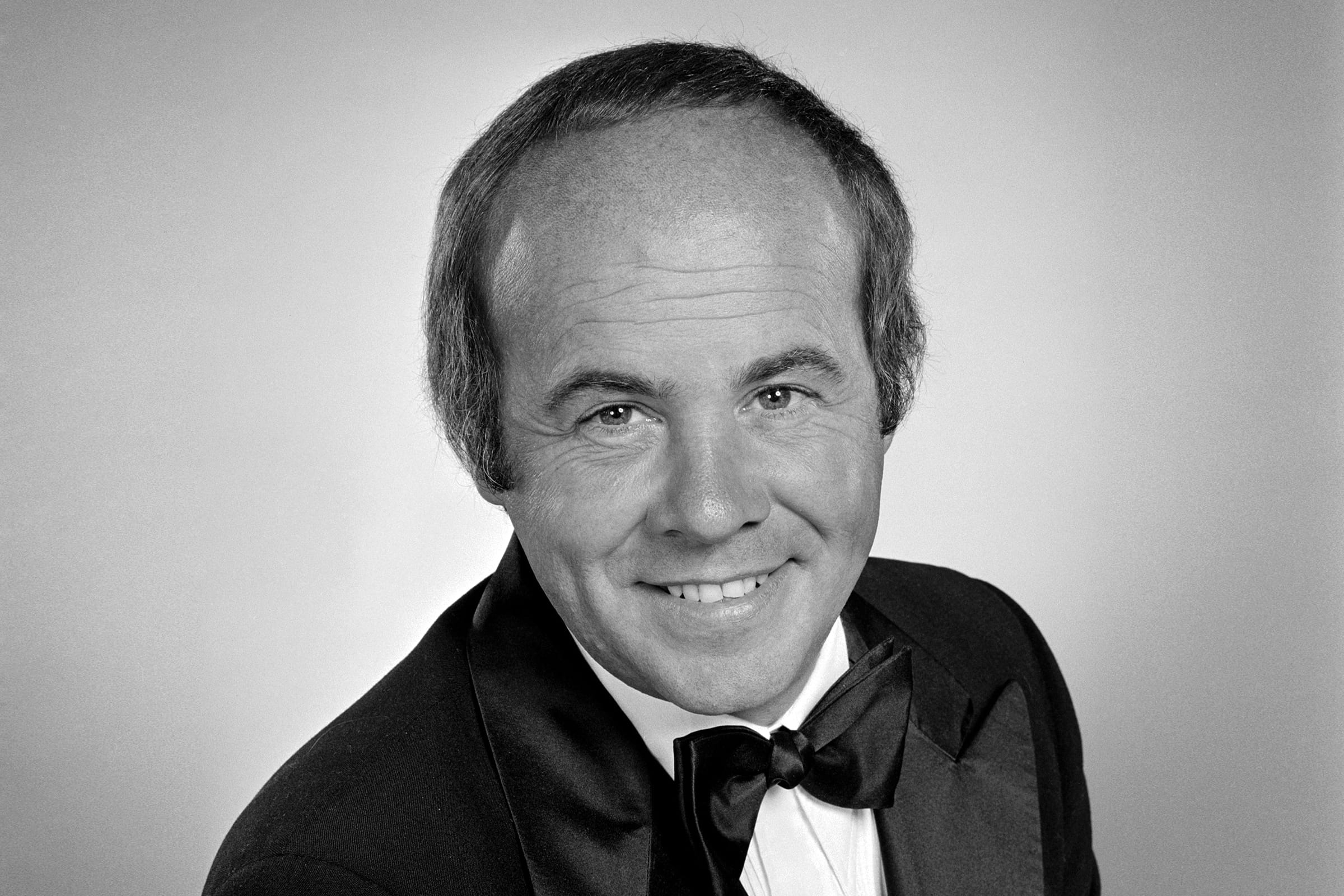
During its final episode of the year, Saturday Night Live did something almost unthinkable. A show built on speed, satire, and punchlines slowed itself down and allowed stillness to take the stage. As the familiar rhythm of the night softened and viewers expected the usual rush toward “goodnights,” the screen instead faded into a simple title card honoring Rob Reiner.
In that moment, comedy stepped aside. There were no jokes to underline the tribute, no irony to cushion it. The absence of laughter was deliberate, and it lingered in a way few SNL moments ever do.
The decision carried weight because silence is rare on a show defined by noise. SNL has spent decades training audiences to expect constant motion, constant humor, constant escalation. By stopping everything, it asked viewers to simply reflect.
Rob Reiner’s name may not always dominate headlines, but his fingerprints are everywhere. He wasn’t just a legendary filmmaker; he was part of SNL’s foundation. In 1975, he hosted only the third episode in the show’s history, stepping into sketches with the original cast and helping establish what the program could become.
Long before directing iconic films, Reiner understood comedy as something grounded in character and humanity. His approach wasn’t about volume or spectacle, but about observation, timing, and truth. That sensibility quietly shaped generations of performers and writers who followed.
As the tribute aired, memories surfaced instantly. Viewers thought of This Is Spinal Tap, When Harry Met Sally, and The Princess Bride. These weren’t just beloved films; they were cultural touchstones that shaped how audiences understood humor, romance, and storytelling.
Yet the moment wasn’t about revisiting titles alone. It was about recognizing influence — the kind that doesn’t announce itself loudly but embeds itself so deeply that it feels inevitable. Reiner’s work didn’t demand attention; it earned permanence.
Social media reflected the mood almost immediately. Fans described the tribute as unexpected and emotional, a rare pause that felt earned. Many noted how easily living legends fade into the background while their work continues to shape everything around them.
There was a sense of gratitude in the response, mixed with quiet realization. These moments don’t come often, and when they do, they reveal how much history is still breathing beside us.
In the end, SNL didn’t need a sketch to make its point. For a few seconds, the show trusted silence to do what comedy couldn’t.
Sometimes the deepest respect isn’t spoken at all. And for one quiet moment, Saturday Night Live let that silence say everything.