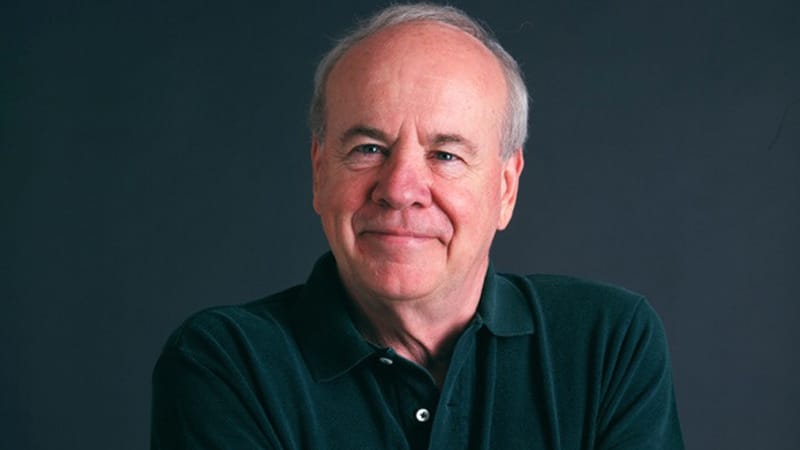
What should have been a routine moment on The Carol Burnett Show — a simple stop at a self-service gas station — became one of the most unforgettable examples of live television unraveling in real time. The instant Tim Conway stepped into the scene, something shifted. This was not going to be ordinary comedy. This was going to be slow, deliberate, and devastating.
Conway didn’t rush the joke. He leaned into confusion with surgical precision, playing a man so baffled by the basic act of pumping gas that every movement felt slightly wrong. Not exaggerated — just off enough to be dangerous. The audience sensed it immediately and leaned in.
Harvey Korman, tasked with maintaining the scene’s structure, tried to guide things forward. His responses were firm, his delivery professional, and his patience visibly thinning. Each attempt to help only gave Conway another opening to stall, misunderstand, or pause just a beat too long.
The gas hose became an adversary. Instructions were misread. Steps were skipped or repeated. Conway treated the simplest tasks as unsolvable riddles, his blank expression radiating innocence while chaos quietly brewed. The silence between actions grew heavier with every second.
What made it unbearable — and hilarious — was the timing. Conway allowed the tension to stretch until the audience could barely breathe. He trusted the space. He trusted the discomfort. And he trusted that Harvey Korman was slowly being pushed toward the edge.
Korman’s composure cracked in stages. First a suppressed smile. Then shaking shoulders. Then the unmistakable signs of defeat. He turned away, buried his face, and lost the battle entirely as laughter took over. Tears streamed. Control was gone.
The audience erupted, fully aware they were witnessing something unscripted and unstoppable. This was no longer a sketch following beats — it was a moment collapsing under its own perfection. Every laugh fed the next one, amplifying the madness.
And through it all, Tim Conway remained calm. He didn’t acknowledge the meltdown. He didn’t speed up or heighten his performance. He simply stayed in character, letting silence and confusion do the damage he knew they would.
That restraint was the genius. Conway never chased laughs; he let them find him. By doing less, he caused everything else to fall apart — including one of the finest comedic professionals television had ever seen.
Decades later, the gas station sketch still stands as a masterclass in slow-burn comedy. No spectacle. No noise. Just patience, timing, and the quiet destruction of a scene — one perfectly misplaced pause at a time.