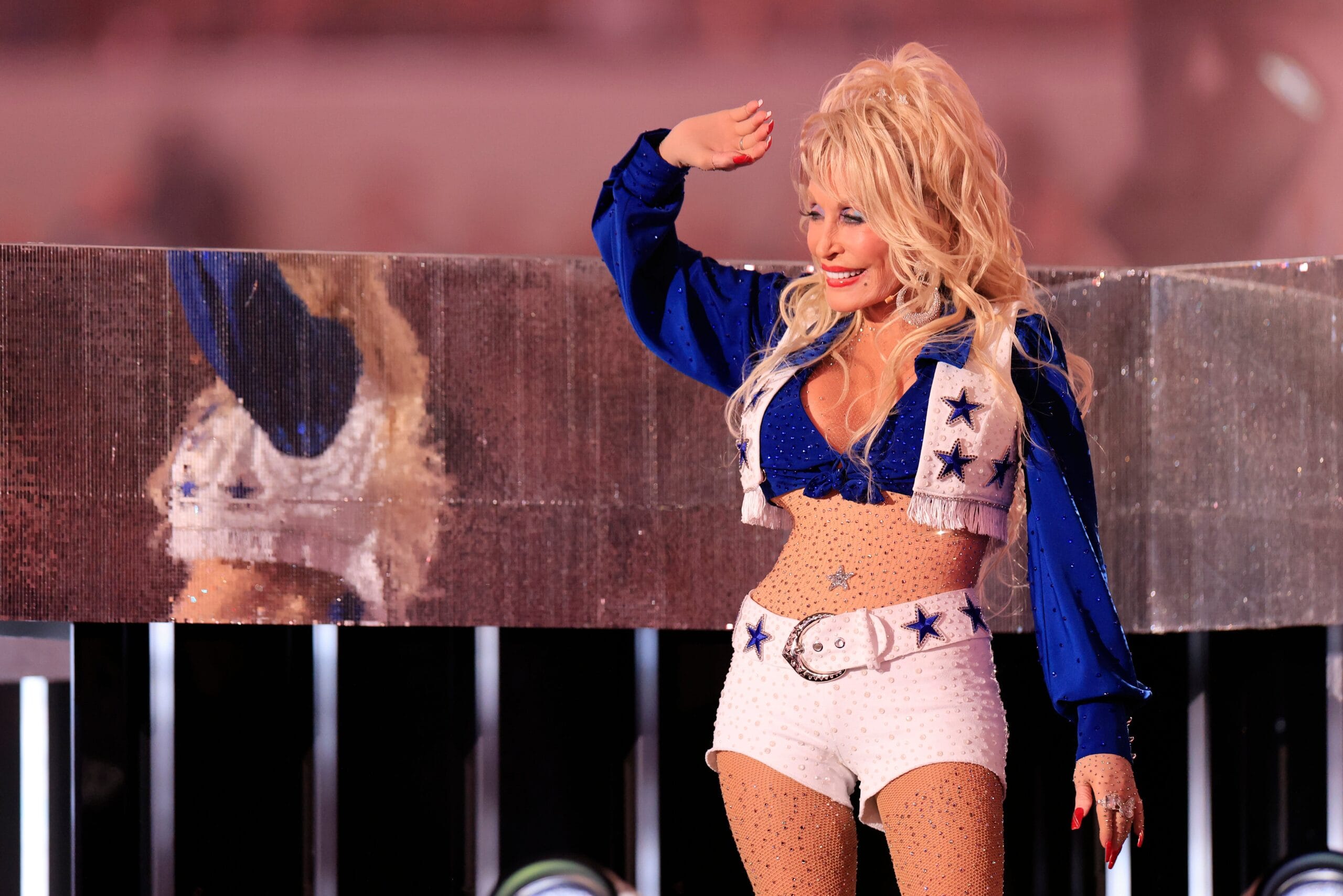
America collectively held its breath when Dolly Parton appeared in Budweiser’s Super Bowl commercial marking the brand’s 150th anniversary. Just days after turning 80, Parton delivered a performance so tender and emotionally raw that it instantly transcended advertising, becoming a shared national moment etched into memory.
The commercial, titled American Icons, unfolded with quiet power rather than spectacle. A baby eagle and a young Clydesdale were shown growing side by side, their journeys unfolding in parallel as symbols of resilience, patience, and becoming. From the opening frame, the imagery spoke in metaphor, inviting viewers to reflect on growth shaped by time, hardship, and hope.
As Parton’s voice entered, the mood shifted from nostalgic to reverent. Her interpretation of Free Bird carried a weight that felt both personal and collective, echoing generations of memories tied to freedom, loss, and perseverance. It wasn’t loud or dramatic—it was restrained, fragile, and deeply human.
The song was underscored by the haunting final recording of Gary Rossington, adding an unspoken layer of farewell and legacy. Knowing it was his last contribution gave the music a gravity that words could not explain, turning each note into a quiet goodbye that resonated across living rooms nationwide.
Millions watching the Super Bowl found themselves unexpectedly emotional. Tears came not from sadness alone, but from recognition—of time passing, of loved ones lost, of a country that has endured storms yet continues forward. Social media fell silent for a moment, then erupted with shared grief, gratitude, and awe.
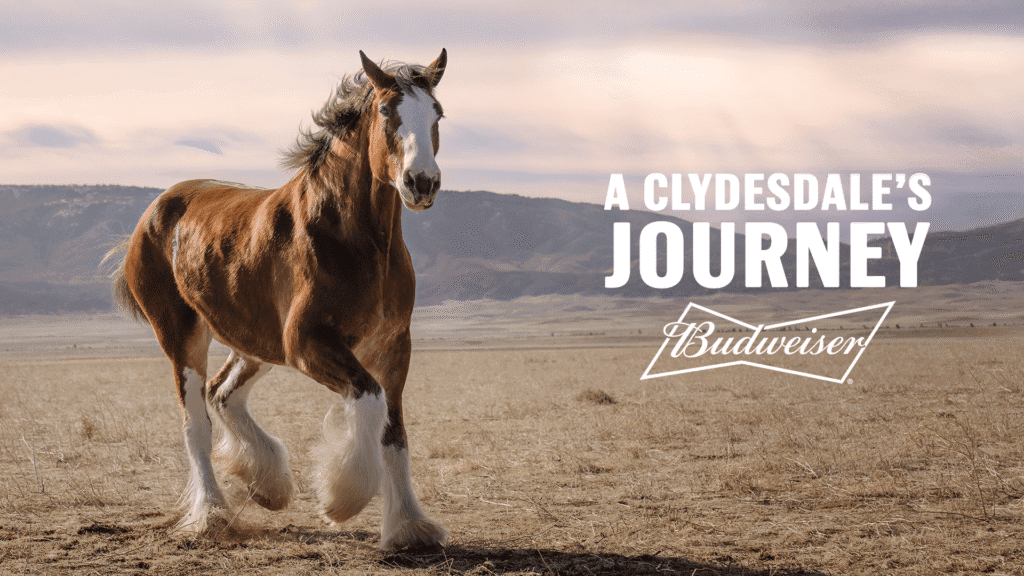
What made the moment so powerful was its sincerity. There was no forced patriotism, no overstatement. Instead, the commercial trusted its audience to feel rather than be told. The eagle’s tentative steps and the Clydesdale’s slow, steady strength mirrored a nation learning, stumbling, and rising again.
For Budweiser, the ad was more than a celebration of longevity. It was a statement of identity, tying its history to the broader American story—one shaped by endurance, faith in tomorrow, and the belief that growth often comes quietly before it is seen.
Parton’s presence anchored everything. At 80, she did not perform as a pop icon chasing relevance, but as a storyteller offering wisdom earned through decades of life and loss. Her voice carried empathy rather than polish, reminding viewers that strength does not fade with age—it deepens.
The commercial did not end with applause or slogans. It ended with stillness. A pause that allowed the message to settle, leaving viewers with swelling hearts and the unmistakable feeling that they had witnessed something rare and honest.
In the end, this was not just the most talked-about ad of the decade—it was a moment of unity. For a few minutes, America watched together, felt together, and remembered together. And in that silence after the final note, the message was clear: hope endures, freedom sings on, and some voices—like Dolly Parton’s—carry a nation with them.