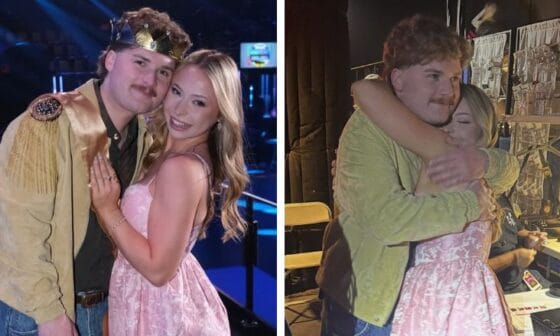
When 22-year-old West Virginia singer Mor Ilderton stepped onto the American Idol stage with his original song, viewers saw raw emotion and a powerful tribute. What they didn’t fully see was the depth of the journey that led him there.
Mor lost his mother to domestic violence when he was just two years old — a tragedy that reshaped his life before he was old enough to understand it. Raised by his grandmother, he grew up surrounded by love, but also by unanswered questions and lingering grief that would later surface in his songwriting.
Behind the scenes, producers reportedly spent extended time speaking with Mor about his story before cameras rolled. Those conversations, largely condensed for broadcast, revealed how music became his coping mechanism. He has said that writing lyrics felt safer than speaking openly about his past.
What also didn’t air was how emotional rehearsals were. Crew members described moments where Mor had to pause, regroup, and start again — not because of vocal issues, but because certain lines carried memories that still cut deep.
His earlier appearance on The Voice showed promise, but insiders suggest he wasn’t emotionally ready at that stage of his life. The grief he carried was still raw. Walking away, though difficult, gave him space to grow privately before returning to national television.
Another detail viewers may have missed: his grandmother’s quiet presence behind the scenes. While cameras captured brief reactions, much of her steady support happened off-camera — encouraging words, calming gestures, reminders to breathe.
Producers also trimmed down portions of his backstory to fit time constraints, leaving out deeper discussions about how growing up in a small town shaped his perspective and resilience.
By the time he performed on American Idol, Mor wasn’t just singing an original song. He was reclaiming a narrative that had defined him since childhood. The vulnerability seen on screen was only a fraction of what unfolded backstage.
For fans, the performance was moving. For Mor, it was something more — a step toward healing that extended far beyond what made it to air.