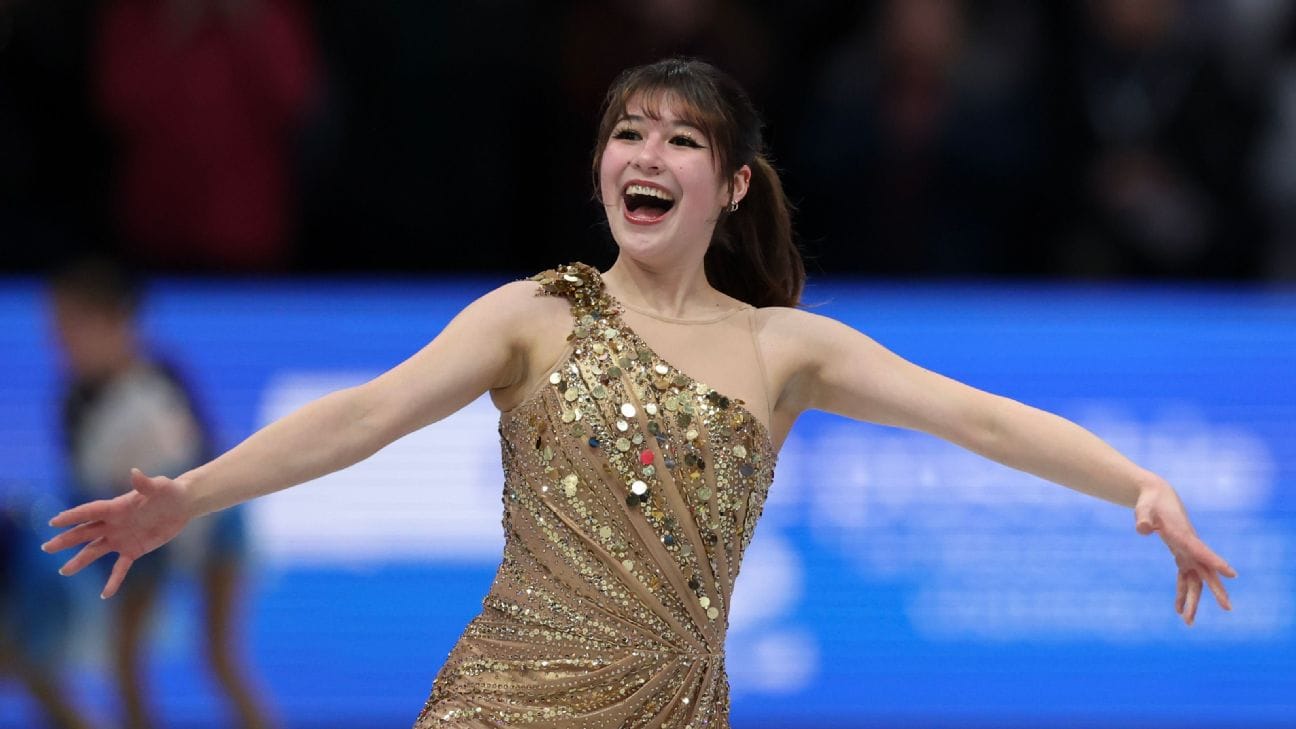
NBC is facing growing criticism over its coverage of women’s figure skating at the 2026 Winter Olympics, with some viewers accusing the network of uneven storytelling during a historic moment for Team USA.
The controversy emerged shortly after Alysa Liu secured Olympic gold, ending a decades-long drought for American women in singles skating. While many praised NBC for capturing the emotion of the moment, others questioned how airtime and narrative focus were distributed throughout the competition.
Critics on social media pointed to what they described as especially favorable coverage of fellow U.S. skater Amber Glenn and another competitor in the lead-up segments and commentary. Some viewers argued that certain storylines were amplified while others — including Liu’s comeback journey — initially received less pre-event emphasis.
The debate intensified as clips circulated online comparing commentary tone, replay frequency, and the framing of mistakes versus triumphs. A number of fans claimed the broadcast appeared to shape emotional narratives differently depending on the athlete.
Supporters of NBC, however, pushed back against the backlash. They noted that live sports coverage often adapts in real time and that storytelling decisions are influenced by timing, medal contention, and available footage. Others emphasized that all U.S. athletes received significant attention during the primetime broadcast.
Media analysts also weighed in, suggesting that Olympic coverage naturally gravitates toward compelling arcs — whether that’s redemption, heartbreak, or dominance — and that perception can shift depending on which athlete ultimately claims the spotlight.
Still, the conversation reflects a broader tension surrounding sports broadcasting in the social media era. With viewers able to instantly replay, dissect, and compare segments online, networks face heightened scrutiny over tone, balance, and narrative framing.
For Alysa Liu, the backlash has done little to overshadow her achievement on the ice. Her gold medal performance remains the defining athletic story of the event, regardless of how it was packaged for television.
As the debate continues, one thing is clear: Olympic coverage is no longer just about what happens on the ice — it’s also about how those moments are presented to millions watching at home.