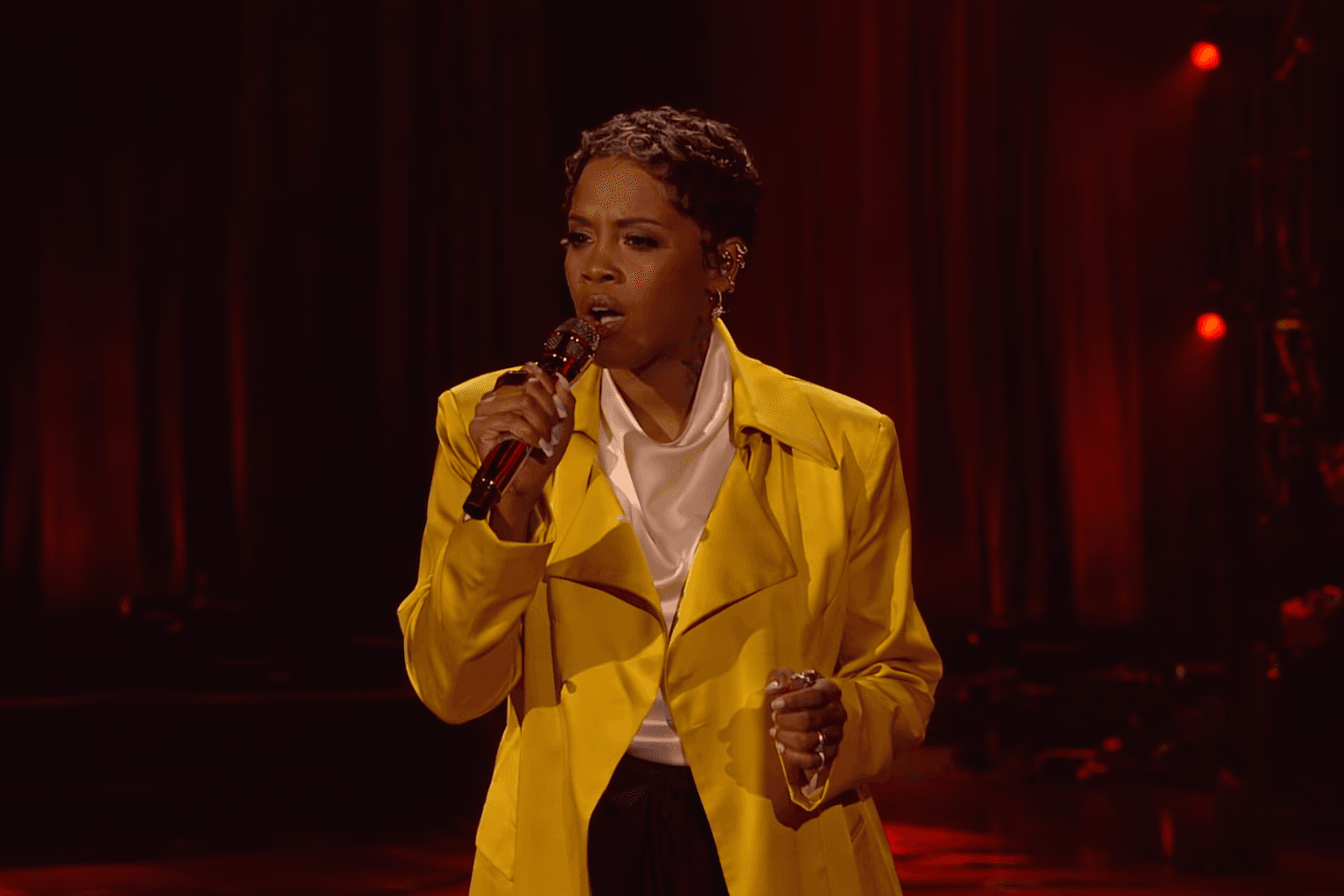
As American Idol 2026 heats up, the contrast between contestants is becoming sharper than ever. Nowhere is that more clear than in the growing comparison between Keyla Richardson and Hannah Harper. While Keyla is going viral for her explosive high notes and commanding vocals, Hannah has taken a completely different path — and it’s turning heads.
In the latest episode, Hannah stepped onto the stage with “At The Cross (Love Ran Red)” by Chris Tomlin.
It’s a song known for its powerful build and dramatic vocal climax. Most singers approach it with intensity, aiming for a big, unforgettable finish. But Hannah didn’t follow that formula.
Instead, she made a bold and unexpected choice.
She kept the performance soft, controlled, and deeply restrained. Rather than building to a huge vocal peak, she focused on subtle emotion and steady delivery. It was a risk — one that could either set her apart or cost her votes.
The contrast with Keyla couldn’t be more striking.
Where Keyla leans into vocal power and range, Hannah leans into intimacy and storytelling. One commands attention with strength, the other draws listeners in with quiet emotion. It’s a classic case of two very different artistic approaches.
Hannah’s performance created a unique atmosphere.
The room didn’t erupt — it settled. The focus shifted from spectacle to feeling. It became less about hitting big notes and more about delivering meaning. That shift changed how the song was experienced.
Moments like this often divide opinion.
Some viewers expect big, show-stopping vocals in a competition setting. Others appreciate restraint and emotional depth. Hannah’s choice sits right at the center of that divide, making it one of the most talked-about performances of the night.
The judges, however, had a clear perspective.
Their reactions suggested that the risk paid off. Instead of criticizing the lack of a dramatic climax, they recognized the control and intention behind her delivery. It showed confidence in her artistry — and that stood out.
This kind of decision can define a contestant’s identity.
By choosing subtlety over power, Hannah is carving out her own lane in the competition. She’s not trying to compete on volume — she’s competing on connection. And that strategy is gaining attention.
Still, the question remains.
Will voters reward that restraint, or will they favor bigger, louder performances like Keyla’s? In a show driven by public votes, that distinction matters. It adds uncertainty to the outcome.
In the end, this moment highlights what makes American Idol 2026 so compelling. It’s not just about who sings the loudest — it’s about who makes you feel something. And whether it’s Hannah’s quiet intensity or Keyla’s vocal power, the competition is becoming impossible to predict.