“The Voice” is preparing to celebrate a major milestone, and producers are making sure Season 30 feels considerably different from the season that came before it. When the NBC singing competition returns on September 21, 2026, viewers will see four Coaches, a new Blind Audition weapon and, perhaps most importantly, the return of an extended stretch of live shows in which fans can once again influence the competition in real time.
The biggest change concerns the audience. Executive producer Audrey Morrissey has confirmed that Season 30 will feature six weeks of live shows, a dramatic reversal from Season 29, which eliminated the traditional live-show format. For longtime viewers who felt that audience participation was an essential part of “The Voice,” its return represents one of the most significant changes heading into the milestone season.
The voting system, however, will not simply return to the old model. Instead of keeping voting open overnight and announcing results later, Season 30 will use real-time voting during the live broadcasts. Morrissey explained that the change is connected to the program’s scheduling structure, meaning viewers will need to make their decisions while the competition is unfolding.
That approach could make the final portion of the season feel much more immediate. Performances, Coaches’ comments and voting decisions will all happen within a tighter window, giving contestants less time to benefit from post-show campaigning and giving viewers an opportunity to directly influence what happens as they watch.
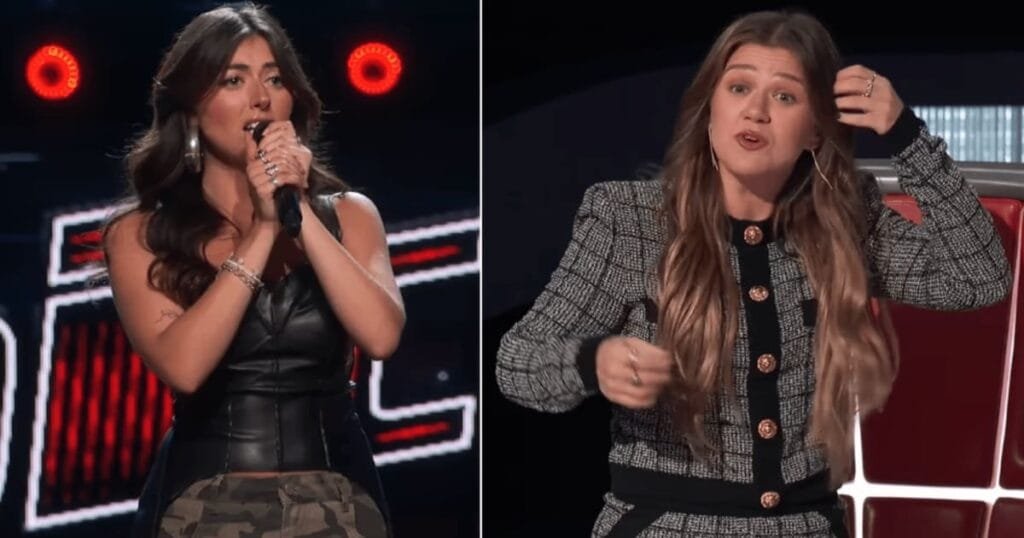
The return of public voting is especially notable after the experimental format used for Season 29, subtitled “Battle of Champions.” That season was entirely pre-recorded and did not feature conventional public voting. Instead, later stages used an in-studio voting group made up of superfans and former “Voice” contestants.
Season 29 also featured only three Coaches—Kelly Clarkson, Adam Levine and John Legend—and introduced several special competitive elements, including the Triple Turn Competition, Super Steal and All-Star Showdown. Alexia Jayy, representing Team Adam, ultimately won the season, giving Levine another championship as a Coach.
For Season 30, the familiar four-chair setup is returning. Kelly Clarkson and Adam Levine will once again occupy two of the iconic red chairs, while Queen Latifah and country star Riley Green will make their debuts as Coaches. The combination gives the panel experience across pop, rock, country, hip-hop, R&B and other musical styles.
Clarkson enters the season as one of the most successful Coaches in the program’s history, while Levine has been connected to “The Voice” since its first season in 2011. Their familiarity with the competition will be balanced by Latifah and Green experiencing the game from the Coaches’ chairs for the first time. Early interviews suggest the four developed an easy chemistry during filming, with Levine saying the group “just clicked.”
But the Coaches will have more than their personalities and sales pitches available during the Blind Auditions. Season 30 is introducing a new feature known as the First-In Button, which has the potential to dramatically change what happens when several Coaches turn for the same singer. The official description for the season premiere confirms that the First-In Button will be in play from the beginning.
Under the reported rules, the Coach who turns first for an Artist can choose to activate the First-In Button. Doing so effectively allows that Coach to secure the contestant for their team, preventing the usual battle among multiple Coaches for the singer. The Coach does not necessarily have to activate the special button immediately upon turning, adding another layer of strategy to the decision.
That could completely change some of the most entertaining moments of the Blind Auditions. Traditionally, a four-chair turn creates a dramatic situation in which every interested Coach tries to persuade the Artist to choose their team. The contestant ultimately controls the decision. The First-In twist gives the quickest Coach a potentially enormous advantage when used at the right moment.
Because the special power is limited, however, Coaches will also have to decide whether an impressive early contestant is worth using it on or whether an even stronger singer could appear later. That strategic uncertainty should create another competition within the Blind Auditions—not only between the Artists seeking chair turns, but among the Coaches deciding when to play their strongest advantage.
The new format arrives after producers experimented heavily with Season 29. That season’s Triple Turn Competition rewarded the Coach who recruited the most three-chair-turn Artists with a Super Steal for the Battles. Season 30 appears to continue the program’s willingness to introduce game-like advantages while returning some of the larger structure to what longtime fans recognize.
The return of six live weeks may ultimately be the change viewers notice most. In recent seasons, the live portion of “The Voice” had become shorter, while Season 29 eliminated conventional live shows entirely. Morrissey described Season 30 as a “full circle” moment, signaling that producers are intentionally reconnecting the milestone season with an element that once played a much larger role in the series.
Season 30 will begin with an unusually busy premiere week. The first episode airs Monday, September 21, from 8 p.m. to 10 p.m. ET on NBC. Additional episodes are scheduled for Tuesday, September 22, and Wednesday, September 23, as the Blind Auditions get underway. Episodes will also be available to stream on Peacock after their NBC broadcasts.
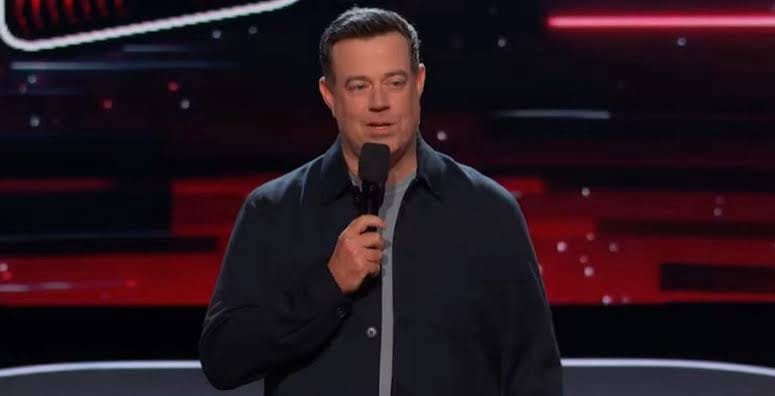
NBC is also acknowledging the significance of reaching 30 seasons. A special anniversary program, “The Voice 30th Season Celebration,” is scheduled ahead of the competition and will look back at the show’s history, with Carson Daly revisiting memorable Coaches and moments from the series while previewing what is coming next.
The milestone is impressive considering “The Voice” debuted in the United States in 2011. Its original coaching panel featured Adam Levine, Blake Shelton, Christina Aguilera and CeeLo Green. Since then, an extensive list of major artists—including Gwen Stefani, Alicia Keys, Miley Cyrus, John Legend, Ariana Grande, Reba McEntire, Snoop Dogg and Michael Bublé—have occupied the red chairs.
There is one important clarification about claims that Season 30 will finally allow fans to vote again. Audience voting itself is not new to “The Voice”; public voting was historically a major component of the series. What makes Season 30 significant is the return of viewer participation after Season 29’s pre-recorded format, combined with a real-time system and six weeks of live competition.
The changes therefore represent an interesting combination of old and new. Producers are restoring the live-show experience that helped define “The Voice” while simultaneously experimenting with immediate voting and the First-In Button. Rather than reinventing the entire competition for its 30th season, the series appears to be bringing back popular parts of its past while introducing enough new strategy to keep the format unpredictable.
With Clarkson and Levine returning, Queen Latifah and Riley Green beginning their first seasons as Coaches, and viewers regaining a direct role in deciding which singers advance, Season 30 is shaping up to be more interactive than its immediate predecessor. The First-In Button should add another source of drama during the Blind Auditions, but the biggest development may come later—when the competition goes live and control of the outcome starts shifting from the Coaches back toward the audience