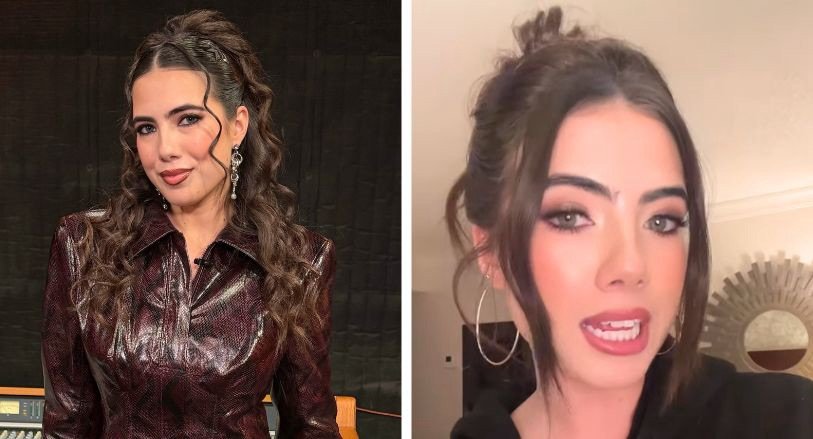
Dakota Cohen has opened up about her experience competing on The Voice Season 30, revealing the intense pressure contestants face during the Live Shows and sharing what surprised her most about working with Adam Levine. The rock singer, who became one of the competition’s most distinctive performers, described the live episodes as fast-paced and chaotic while explaining why Levine’s straightforward coaching style made him her first choice. Her reflections came shortly before her unexpected elimination during Dolly Parton Tribute Night on November 23.
Cohen established herself as one of Season 30’s standout rock contestants during the Blind Auditions, performing Black Sabbath’s “Changes.” Her interpretation earned chair turns from Adam Levine and Riley Green, giving her the opportunity to choose between two established musicians. Although both coaches expressed interest in helping her develop, Cohen admitted that she already had a strong preference before making her decision.
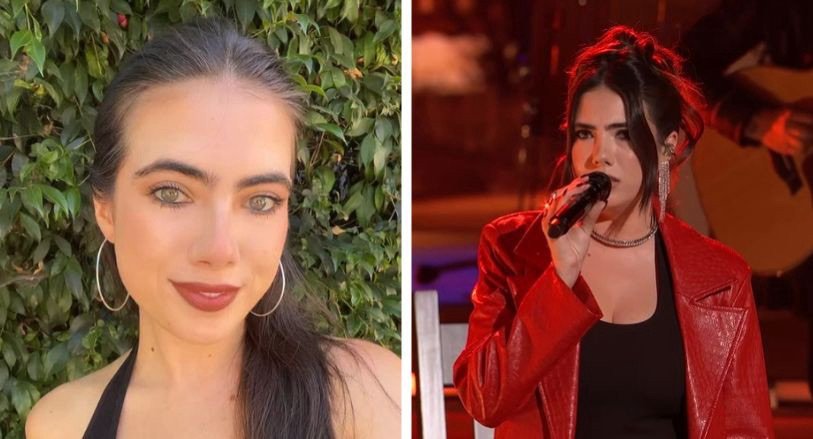
The singer explained that Levine’s musical background and direct communication style were particularly appealing. As the frontman of Maroon 5, Levine has extensive experience performing, recording and navigating the music industry. Cohen believed his perspective could help her become the kind of rock artist she hopes to be after the competition. She also appreciated that he was willing to offer honest feedback rather than simply telling contestants what they wanted to hear.
According to Cohen, Levine is considerably more straightforward behind the scenes than some viewers might expect. She praised his willingness to identify areas that need improvement and explain what performers should change. Rather than finding that approach intimidating, Cohen said she responds particularly well to direct criticism because it gives her a clearer understanding of how to develop her abilities. His honesty helped her feel confident that she had selected the right coach.
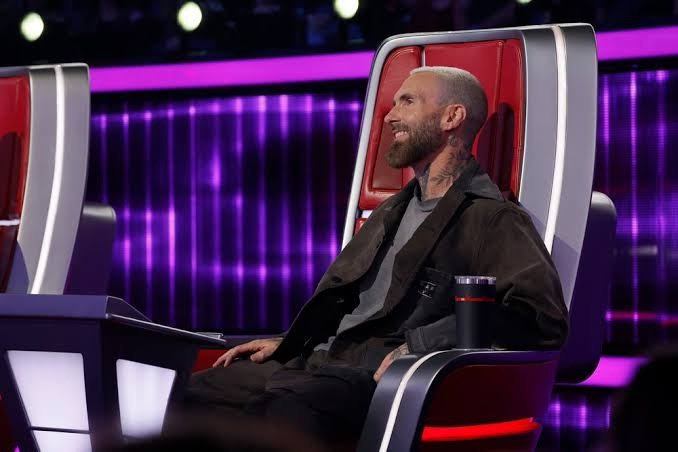
Working with Levine also provided Cohen with encouragement about her musical direction. She has consistently described herself as a rock singer, even while performing songs associated with different genres throughout the competition. Knowing that Levine understood the industry and appreciated her preferred sound helped validate the artistic identity she wants to establish. For Cohen, that support was especially meaningful because she hopes to continue pursuing rock music after leaving The Voice.
Her journey continued through the Battle Rounds, where she performed Evanescence’s “Bring Me to Life” alongside fellow Team Adam contestant Destinee Monroe. The demanding rock song allowed both singers to demonstrate their vocal power, creating one of the season’s memorable performances. Cohen later advanced through Cut Week with a rendition of Fuel’s “Hemorrhage (In My Hands),” further establishing herself as a distinctive performer among contestants representing different musical backgrounds.
During the Live Shows, Cohen performed Aerosmith’s “I Don’t Want to Miss a Thing,” helping her secure a place in the Top 10. Although she had already experienced several demanding rounds, she admitted that performing live introduced an entirely different level of pressure. Earlier performances allowed contestants to focus on delivering their songs without the same immediate broadcasting demands, but the live episodes required them to adjust to the knowledge that audiences were watching in real time.
Cohen explained that the most intimidating part of live television was realizing that every note she sang would be heard by viewers at the exact moment she performed it. There was no opportunity to stop and begin again or correct an unexpected mistake before the episode reached audiences. Even though she believed the remaining contestants sounded impressive, the awareness of performing in real time made the experience particularly nerve-racking.
Another major challenge involved the limited preparation time between performances. As the competition progressed, contestants had less time to rehearse, learn arrangements and prepare for the next episode. Cohen described the schedule as increasingly demanding, explaining that the Live Shows moved much faster than the earlier stages. The rapid pace required singers to remain flexible while handling rehearsals, production requirements and the pressure of elimination.
Surprisingly, Cohen admitted that she enjoyed the unpredictable atmosphere despite its challenges. She described the experience as “crazy and chaotic,” explaining that the demanding environment reminded her of her everyday life. Although the Blind Auditions had initially seemed overwhelming, she later realized that the Live Shows involved an entirely different level of production and intensity. Rather than allowing the experience to discourage her, she appreciated the excitement that came with performing under pressure.
Outside the competition, Cohen has also been developing her career as a songwriter. She explained that she began writing music during childhood and continues drawing inspiration from a wide range of musical styles. Her creative process often begins with personal experiences, allowing her to express emotions through songs that reflect different moments in her life. She does not limit her songwriting to one particular sound, even though rock remains an important part of her artistic identity.
One particularly personal example is her original song “thank u for the party favor,” which she wrote in August 2026 and released the following month. Cohen revealed that the track was inspired by a breakup and represented an opportunity to express emotions she was experiencing at the time. Although the song differed from some of her previous releases, she believed it was important to share something honest rather than restrict herself to a familiar musical formula. Her willingness to experiment demonstrates the artistic independence she hopes to maintain throughout her career.
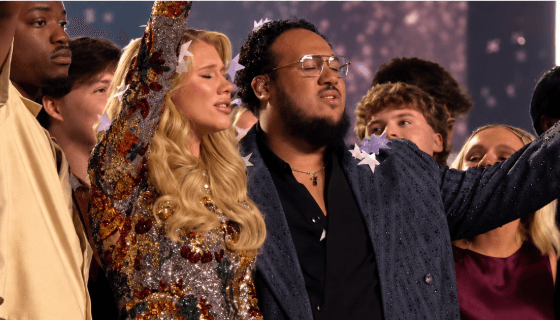
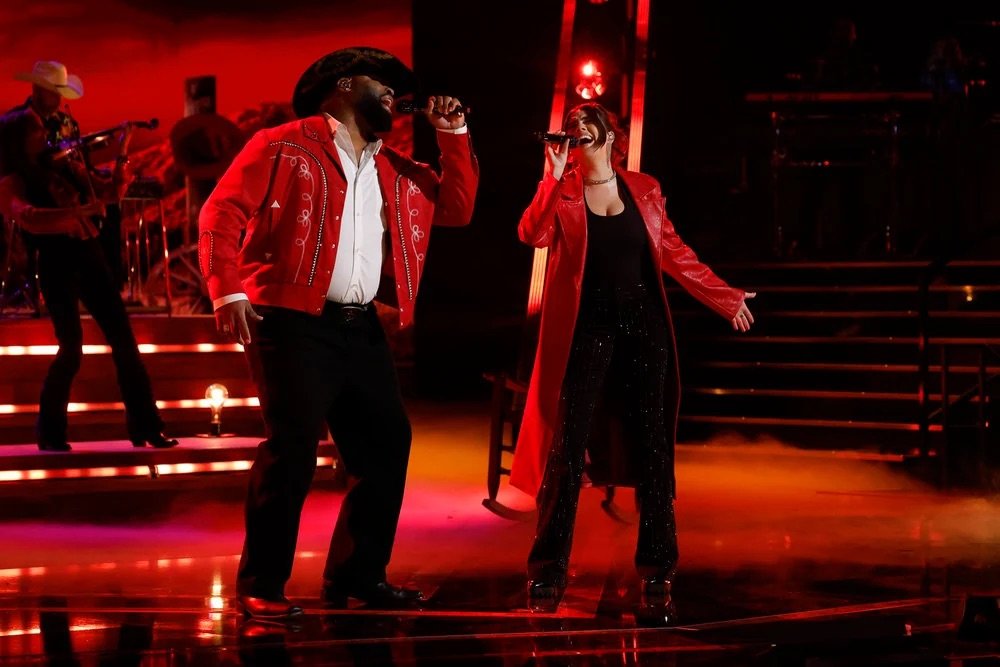
Cohen’s journey on The Voice ended during the November 23 Dolly Parton Tribute Night, when she joined BigCountry from Team Queen Latifah for a rock-influenced version of “Jolene.” Despite encouraging comments from Levine and Queen Latifah, neither contestant received enough viewer votes to advance into the Top 8. Her elimination left Levine with Connor Closs and Lexi Stephens as his remaining artists. Although Cohen did not reach the Season 30 finale, her experience gave her national exposure, valuable professional guidance and a clearer understanding of the demands of live television. Her comments about Levine’s honest coaching and the intense backstage atmosphere also offered viewers a different perspective on what aspiring singers experience while competing on The Voice.