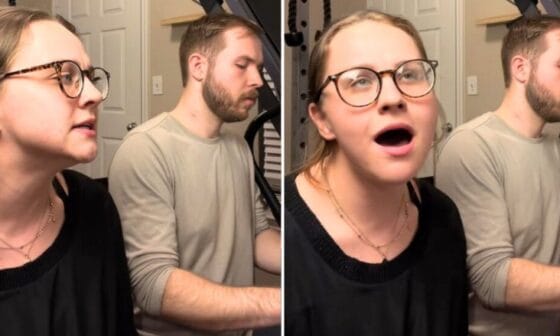
When Mor stepped onto the American Idol stage, he carried more than nerves and a melody. He carried unfinished chapters.
Before this audition, there was a quieter moment in his career — his decision to walk away from The Voice. At the time, viewers saw only the exit. What they didn’t see was the internal weight he was navigating. The pressure of national television collided with personal grief that he hadn’t fully processed.
Losing his mother at such a young age left a mark that followed him into adulthood. Music became both refuge and reminder — a way to feel close to her, but also a doorway into emotions that were difficult to face publicly. Competing while carrying that pain proved harder than he expected.
Stepping back from The Voice wasn’t about giving up on music. It was about survival and growth. He needed distance from the spotlight to understand why he was singing in the first place.
What finally pushed him to return was clarity. Over time, songwriting shifted from performance to purpose. Instead of chasing approval, he began writing from a place of healing. The stage no longer felt like pressure — it felt like opportunity.
This time, the difference was visible. There was still emotion, but also grounding. Instead of uncertainty, there was intention. He wasn’t there to prove he belonged. He was there because he was ready.
For Mor, American Idol isn’t just another competition. It represents a second beginning — one built not on ambition alone, but on acceptance of everything that shaped him.
And that’s why this moment feels different. It’s not about redemption. It’s about return — on his own terms.