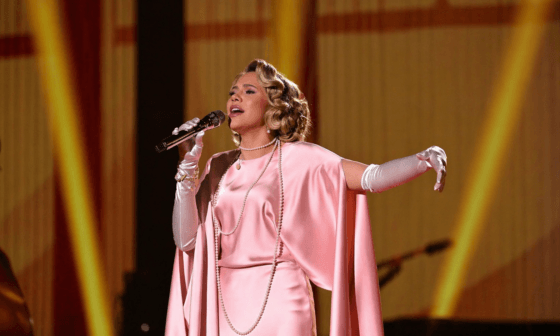
A difficult decision by Adam Levine has sparked fresh debate among viewers of The Voice Season 30 after his Battle pairing of Amanda Mikkel and Julia Clark took an emotional turn. What was supposed to be an opportunity for both singers to demonstrate their abilities instead raised questions about whether Levine’s song selection gave each contestant the best chance to shine.
The Battle attracted particular attention because Amanda had already established herself as an important member of Team Adam. During the Blind Auditions, she earned Levine’s coveted First In recognition, signaling that he saw something special in her voice and potential.
That early endorsement created high expectations for Amanda’s next appearance. Fans were eager to see whether the qualities that impressed Levine during her audition would translate into an equally memorable performance during the more demanding Battle Rounds.
However, competing against Julia Clark presented a different challenge. Unlike the Blind Auditions, where artists choose material designed to showcase their individual strengths, the Battles require two singers to share a song selected for them by their coach.
That format can create complications when contestants have different vocal styles. A song that naturally suits one artist may require the other to adjust their phrasing, delivery, or performance approach, making the coach’s selection an important part of the competition.
Following Amanda and Julia’s performance, some viewers questioned whether Levine had chosen the right material for the pairing. The discussion centered on whether the song allowed Amanda to demonstrate the distinctive qualities that had made her First In audition so memorable.
The debate also highlighted how difficult it can be to compare two singers performing the same song. Vocal power alone does not determine the outcome, and coaches must consider musical interpretation, emotional connection, stage presence, and how well each artist responds to direction.
When the performance ended, Levine faced the difficult responsibility of selecting just one contestant to advance. The other coaches offered their perspectives, but their assessments did not settle the decision for him.
Instead, Levine ultimately followed his own judgment, making a choice that reportedly differed from the direction suggested by his fellow coaches. The disagreement added another layer of tension to an already emotional moment.
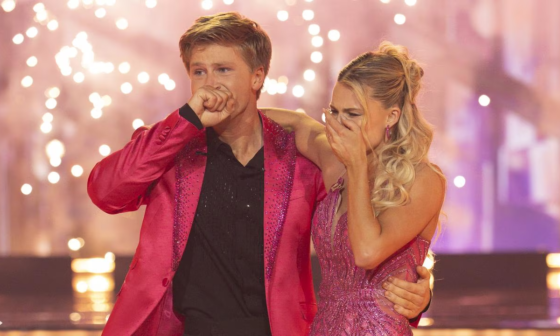
For the contestant who did not receive the result she had hoped for, the disappointment was especially difficult. The aftermath included an emotional backstage reaction, showing how much the opportunity meant to the artists involved.
Those emotions are understandable given the stakes. Contestants often spend years preparing for a national platform like The Voice, and an elimination can be particularly painful when they believe they still have more to demonstrate.
At the same time, the controversy raises a broader question about the Battle format itself. Coaches are responsible for choosing the songs and deciding the winners, which means viewers sometimes disagree not only with the final outcome but also with the musical decisions that helped shape it.
Amanda Mikkel and Julia Clark’s Battle has become a talking point because it combines high expectations, a disputed song choice, conflicting coaching opinions, and an emotional aftermath. Whether viewers agree with Adam Levine’s judgment or believe the pairing deserved a different approach, the moment demonstrates how quickly one performance can change the direction of a contestant’s journey on The Voice.