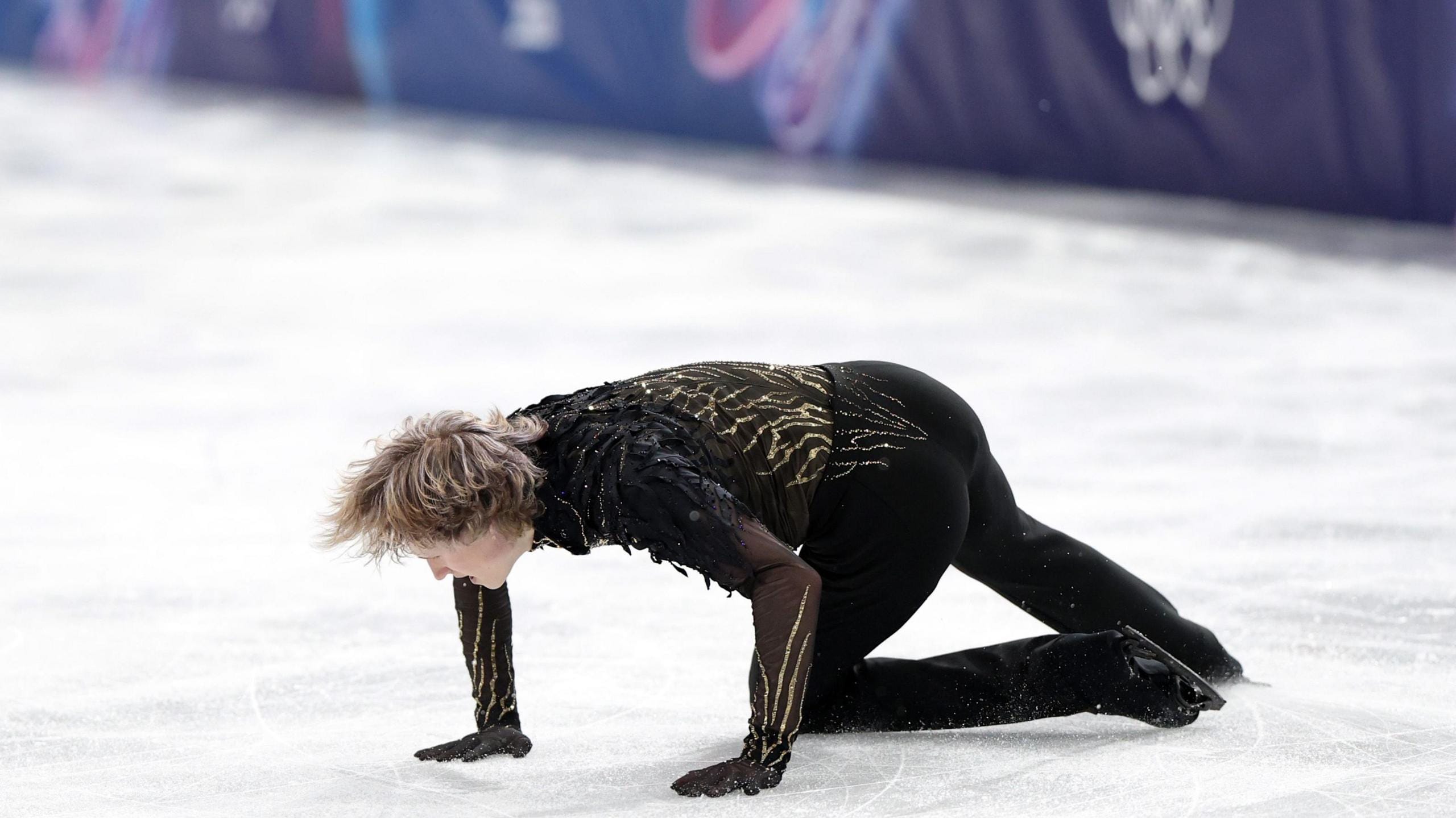
On what many called the toughest night of his young career, Ilia Malinin stood under the Olympic lights facing a result few expected. The 2026 Winter Games free skate had unraveled with costly mistakes, and the scoreboard reflected it. For an athlete known for dominance and daring technical content, the outcome felt jarring.
As cameras captured his reaction in the kiss-and-cry area, viewers noticed something else. One familiar figure was missing from the arena — his mother and longtime co-coach, Tatiana Malinina. For fans who closely follow his career, her absence stood out immediately.
Tatiana has been more than a parent in Malinin’s skating journey. A former world champion herself, she has helped shape his technique, discipline, and competitive mindset from childhood. At major events, she is often seen rinkside, calm and analytical, offering the steady presence elite athletes rely on.
Her absence on Olympic night quickly sparked questions online. Social media filled with speculation, concern, and curiosity about why she wasn’t there during such a pivotal moment in her son’s career.
The explanation, however, was far less dramatic than rumors suggested. According to reports surrounding the event, scheduling and accreditation logistics — common complications at large international competitions — played a role in limiting who could be physically present rinkside at certain times. Olympic events often operate under strict credential rules that differ from other competitions.
While she may not have been visible in the arena, those close to the team indicated that communication and support were never lacking. In modern elite sport, coaching guidance often extends beyond physical proximity, especially when travel, event structure, or delegation rules intervene.
Still, the symbolism of her absence felt heavy to some fans. Malinin has frequently spoken about the influence of both his parents in his skating life, and many have grown accustomed to seeing that family dynamic at competitions.
The performance itself became the main headline — two falls, a dramatic drop in placement, and visible frustration from an athlete who holds himself to exceptionally high standards. In post-skate comments, Malinin focused on execution and timing rather than external factors.
For elite competitors, Olympic moments are layered with expectation, preparation, and emotional intensity. Having or not having certain faces in the arena can feel significant, even if the reasons are logistical rather than personal.
In the end, the night will likely be remembered not just for the mistakes, but for what follows. Careers are rarely defined by one performance. And whether in the arena or watching from afar, the support system behind a champion remains part of the story — even when it isn’t visible on camera.