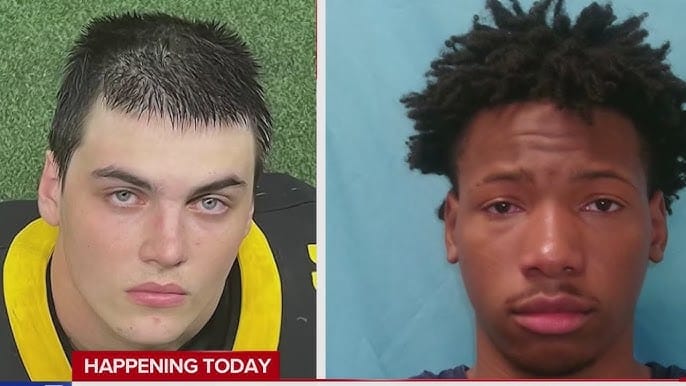
Closing arguments are set to begin Tuesday morning in the Karmelo Anthony murder trial, giving both sides one final chance to speak directly to the jury before deliberations begin. After four days of testimony, dozens of witnesses, and emotional moments inside the courtroom, the case now comes down to how jurors understand one central question: was this self-defense, or was it something far more serious?
Legal analysts following the trial say the prosecution appears to enter closing arguments with a stronger and clearer path. Their case has focused on the sequence of events at the track meet, arguing that Anthony was not facing the kind of immediate threat required to justify using deadly force under Texas self-defense law.
The prosecution is expected to walk jurors through the confrontation step by step. Anthony entered a team tent where he was allegedly not supposed to be, was repeatedly asked to leave, and remained there as tensions rose. Prosecutors are likely to remind the jury that the situation escalated only after Anthony allegedly kept his hand near the knife and warned Austin Metcalf with the words, “touch me and find out.”
That phrase may become one of the most important parts of the state’s closing argument. Legal experts say prosecutors will likely argue that those words do not sound like fear, but like a challenge. If jurors see the moment that way, it could seriously weaken the defense’s claim that Anthony believed he had no choice but to protect himself.
The defense is expected to focus on Anthony’s size compared with Metcalf’s. Anthony’s lawyers have argued that he was smaller, outmatched, and reacting in a tense moment after being physically pushed. They may tell the jury that the law does not require a person to wait until they are badly hurt before defending themselves.
But the major problem for the defense is the same question that remained unanswered throughout the trial: why did Anthony bring a knife to a school track meet in the first place? No witness fully explained it, and Anthony himself did not testify. That silence could leave jurors with a gap the defense may struggle to fill.
Another challenge for the defense is whether the jury believes a shoulder push was enough to create fear of serious injury or death. Legal analysts say that under Texas law, self-defense requires more than discomfort, anger, or embarrassment. The fear must be reasonable, immediate, and serious enough to justify deadly force.
The jury will also have lesser charges to consider, which could become important during deliberations. If jurors are not fully convinced on the top charge, they may still consider second-degree murder or voluntary manslaughter. That gives them options if they believe Anthony acted wrongly but disagree about his intent.
After closing arguments, jurors will be sequestered and begin deliberating. They will not have access to phones, television, or outside contact while they weigh the evidence. If they do not reach a verdict by the end of the day, they will return to a hotel and continue the process the next morning.
For Austin Metcalf’s family, the final stage of the trial will be another painful moment in a case they have watched from the courtroom every day. For Karmelo Anthony, the outcome could determine whether he faces decades behind bars or a different verdict from a jury now tasked with deciding what really happened in those final seconds.