Donations to Karmelo Anthony’s online fundraiser have continued to rise even after his murder conviction and 35-year prison sentence, keeping the campaign at the center of a heated public debate. As of the latest figures cited online, the GiveSendGo campaign connected to Anthony had topped $627,000, drawing new backlash from critics who question why the page remains active after the verdict.
Anthony, 19, was sentenced to 35 years in prison for the fatal stabbing of 17-year-old Austin Metcalf during a high school track meet in Frisco, Texas. The jury rejected his self-defense argument and later rejected the defense’s attempt to reduce punishment through a “sudden passion” claim.
Even after the sentence was handed down, supporters continued donating to the campaign. For some, the money represents support for Anthony’s family as they deal with legal costs, safety concerns, and the fallout from a nationally watched case. For critics, however, the growing total has become difficult to accept.
The fundraiser has triggered strong reactions across social media, where many users have questioned why people are still giving money after a murder conviction. Some critics argue that the campaign now feels less like legal support and more like public sympathy for someone a jury found guilty.
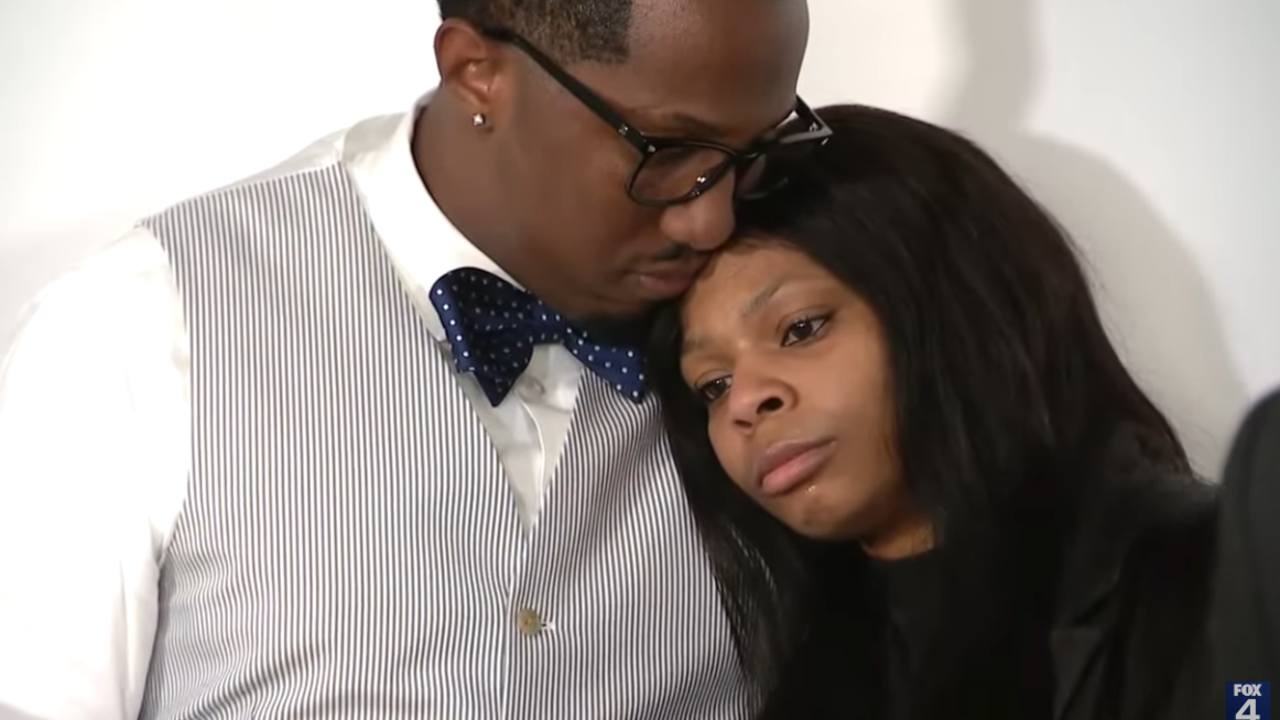
Anthony’s mother, Kala Hayes, has previously spoken out about the purpose of the campaign, saying the money was meant to help with more than just legal fees. The campaign page listed expenses including legal defense, relocation, living costs, transportation, counseling, and security.
Hayes has also said the family faced threats and public harassment after the case gained national attention. According to the family’s explanation, part of the fundraising was tied to safety concerns involving Anthony’s parents and younger siblings.
One of the biggest rumors surrounding the fundraiser involved claims that the family used donation money to buy a home or luxury vehicles. Hayes denied those claims, and GiveSendGo also pushed back, saying the family had not received funds from the campaign at the time those accusations were spreading.
Still, the fundraiser has remained controversial because of the size of the donations and the timing of the campaign. Many people online have pointed out that Austin Metcalf’s family is grieving the loss of a son, while Anthony’s support network continues raising money and defending him publicly.
GiveSendGo has defended its decision to keep the campaign online, saying it is not the judge or jury in the case. The platform has argued that its role is to allow people to raise funds while the justice system handles guilt, punishment, and legal outcomes.
Now, with Anthony sentenced to 35 years and donations still climbing, the fundraiser remains one of the most divisive parts of the case outside the courtroom. For supporters, it is a way to stand by Anthony’s family. For critics, it is a painful reminder that the public fight over this case continues even after Austin Metcalf’s family received a verdict and sentence.