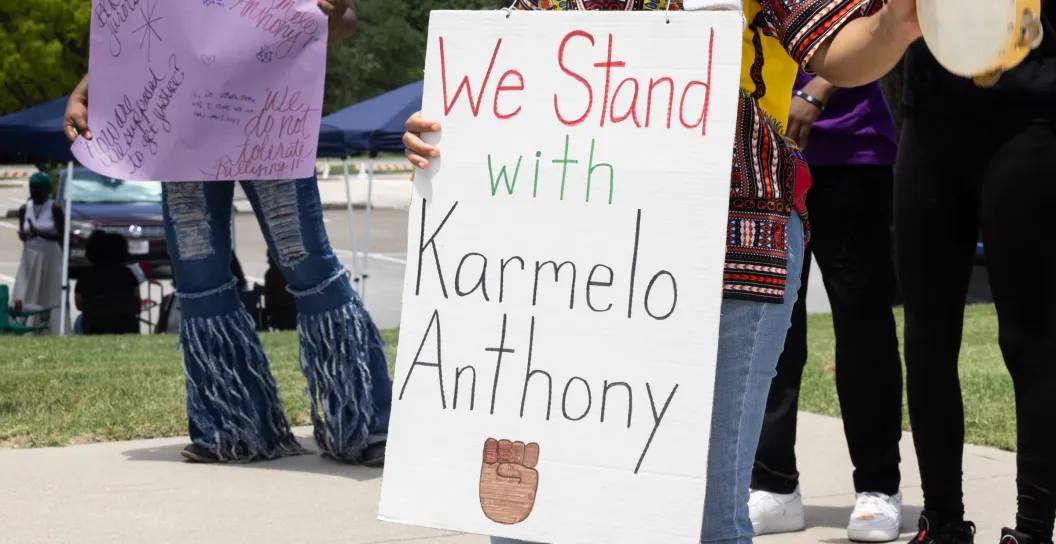
Former supporters of Karmelo Anthony and his family are now beginning to question the fundraising efforts that once drew strong public support during his murder case. The shift comes after new court filings and renewed debate over how donated money connected to the case was used.
Anthony was recently sentenced to 35 years in prison for the fatal stabbing of 17-year-old Austin Metcalf during a high school track meet in Frisco, Texas. His case had already divided the public, but the latest financial questions have created a new layer of controversy.
The backlash grew after Anthony filed documents connected to his appeal, claiming he could not afford legal representation. In the filing, he reportedly described himself as indigent and asked the court to appoint an attorney for the next stage of his case.
That claim immediately caught attention because Anthony’s family had previously received major public support through an online fundraiser. The GiveSendGo campaign connected to the case reportedly raised nearly $634,000 before it was shut down after his conviction.
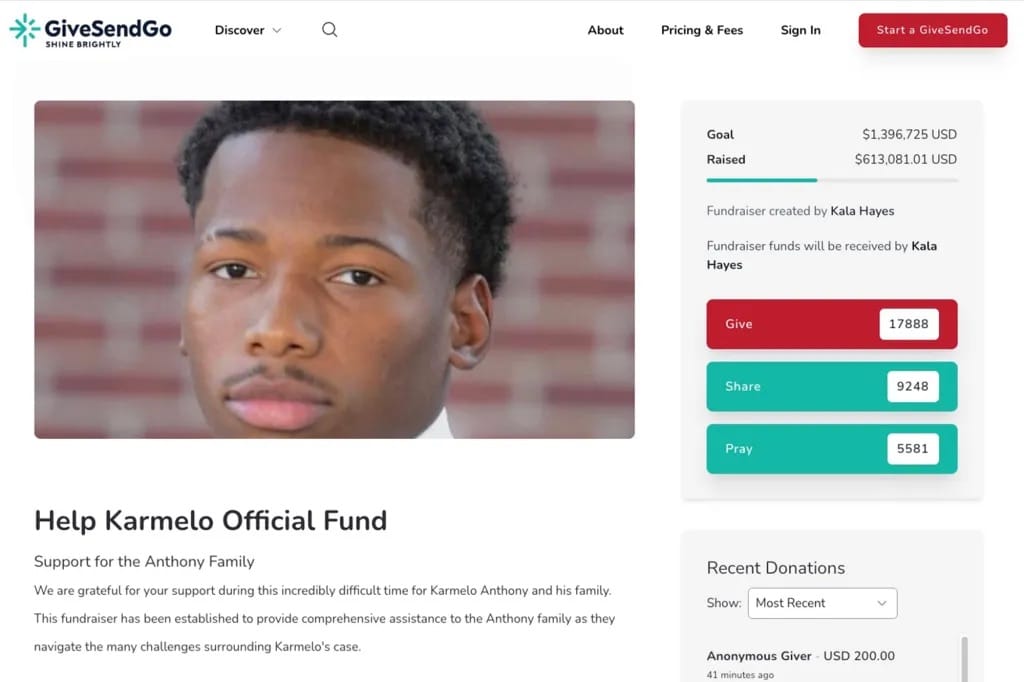
For many people who had donated or defended the family online, the filing raised a difficult question. If so much money had already been raised, they wanted to know why Anthony was now saying he could not afford a lawyer for his appeal.
The debate quickly spread across social media, where some former supporters said they felt confused by the changing financial picture. Others said they had believed the money was going mainly toward legal costs and now wanted a clearer explanation.
Supporters of Anthony’s family have pushed back, arguing that the fundraiser was never meant only for attorney fees. They have said the money was also intended for relocation, transportation, counseling, security concerns, and living expenses during a case that brought intense public attention.
Critics, however, say the lack of a clear breakdown has made the situation harder to defend. They argue that donors deserve to know how the money was used, especially now that Anthony is asking for court-appointed counsel.
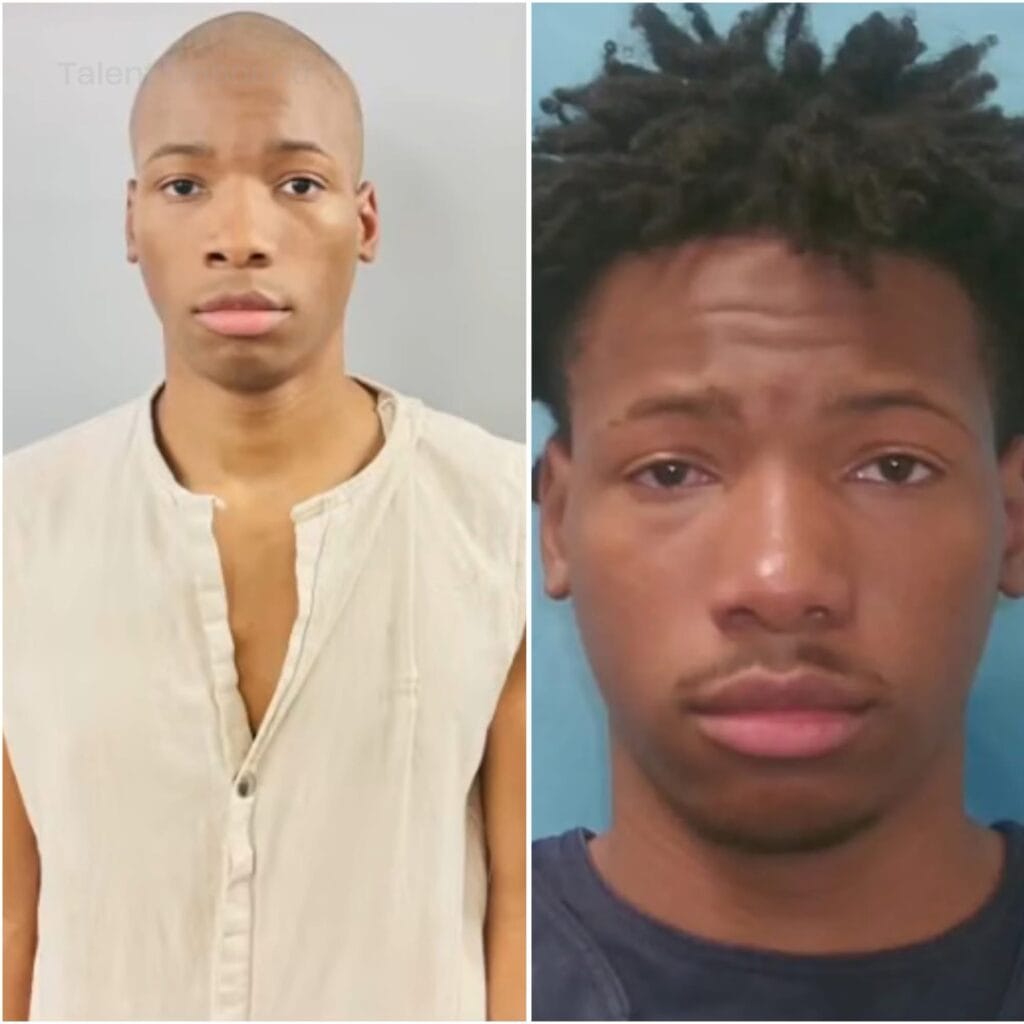
The controversy deepened after GiveSendGo confirmed the original campaign had been closed. According to the platform, the fundraiser had fulfilled its stated purpose, and the money had already been distributed over time for approved uses connected to the case.
That explanation did not end the questions. Instead, it pushed more attention onto Anthony’s parents, who have remained at the center of public debate since the case first drew national attention.
Reports about possible new fundraising efforts after Anthony’s conviction added even more fuel to the backlash. The idea that more money could be raised after such a large earlier campaign left some people demanding transparency before any new donations are requested.
At the same time, others continue to defend the family, saying the public is ignoring the threats, relocation concerns, and long-term pressure they have faced since the fatal incident. To them, the fundraiser was about survival during an unusually public case, not just courtroom bills.
Still, the court filing has changed how some supporters view the situation. What once looked like a united online defense campaign has now become a debate over trust, donor expectations, and whether the family clearly explained where the money was going.
The financial questions have also become tied to Anthony’s appeal. As he begins the process of challenging his conviction, the issue of who will pay for his legal representation is now being discussed almost as heavily as the legal arguments themselves.
For now, Anthony remains in prison while the appeal moves forward, and the questions around the fundraiser continue to grow. What began as a campaign to support his defense has now become one of the most disputed parts of the case, with former supporters and critics both asking the same question: where did the money go?