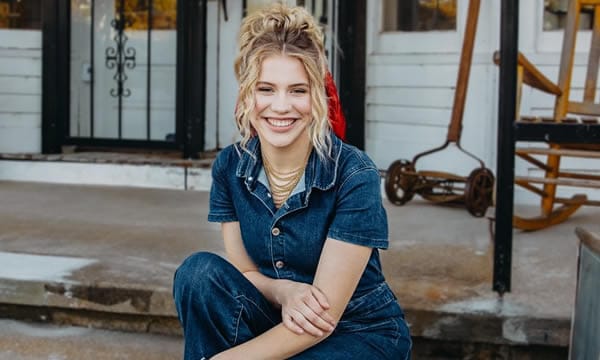
Hannah Harper was once known simply as a mother of three little boys, spending her days navigating the ordinary chaos of family life. Between diaper changes, reheated coffee, and sleepless nights, music existed quietly in the background — something personal rather than public. For a long time, it seemed like her dreams belonged to a past chapter she had gently set aside.
Everything shifted the moment her American Idol Season 24 audition aired. Viewers saw more than a contestant stepping onto a stage — they saw a woman carrying years of life experience in her voice. Her calm presence, emotional storytelling, and unpolished honesty instantly stood out in a room filled with bigger, louder performances.
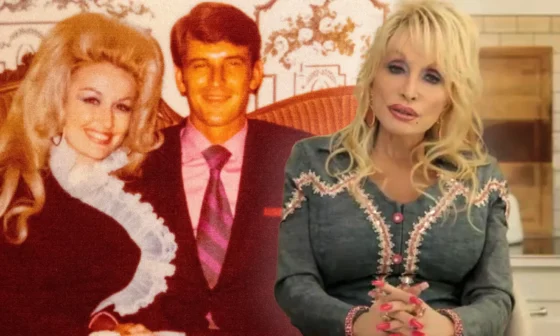
Soon after the broadcast, a simple video of Hannah covering a Dolly Parton classic began circulating online. It wasn’t recorded in a studio or under stage lights. It was intimate, raw, and deeply personal — the kind of performance that felt like it belonged to a memory rather than a production.
Within days, the clip exploded across social media, surpassing two million views almost effortlessly. Fans shared it not because of flashy technique, but because of how authentic it felt. Listeners described it as comforting, relatable, and quietly powerful in a way that lingered long after the final note.
What made the moment even more moving was the story behind it. Not long ago, Hannah had been quietly battling postpartum depression, struggling through a season where hope sometimes felt distant. Music became her private refuge — a place where she could process emotions that were difficult to express any other way.
As her story spread, audiences began to connect the dots between her life and her voice. Every lyric she sang carried traces of exhaustion, resilience, and love, creating performances that felt less like entertainment and more like shared experience.
Fans quickly responded with overwhelming support. Comments flooded in from parents, especially mothers, who said her music gave words to feelings they had never been able to explain themselves. Many described her voice as a mirror reflecting real life rather than an escape from it.
Comparisons to Dolly Parton soon followed, not just because of her country tone, but because of her storytelling style. Like the legendary singer, Hannah had the rare ability to turn ordinary moments into something meaningful and deeply human.
Industry observers also began paying attention as her popularity grew. What started as a living-room performance suddenly looked like the beginning of a career built on authenticity rather than polish. Her rise felt organic — driven by connection instead of marketing.
Today, Hannah Harper’s journey stands as a reminder of how quickly life can change. A woman who once wondered if her dreams had slipped away is now finding that the world is listening — not because she tried to be extraordinary, but because she chose to be real.